
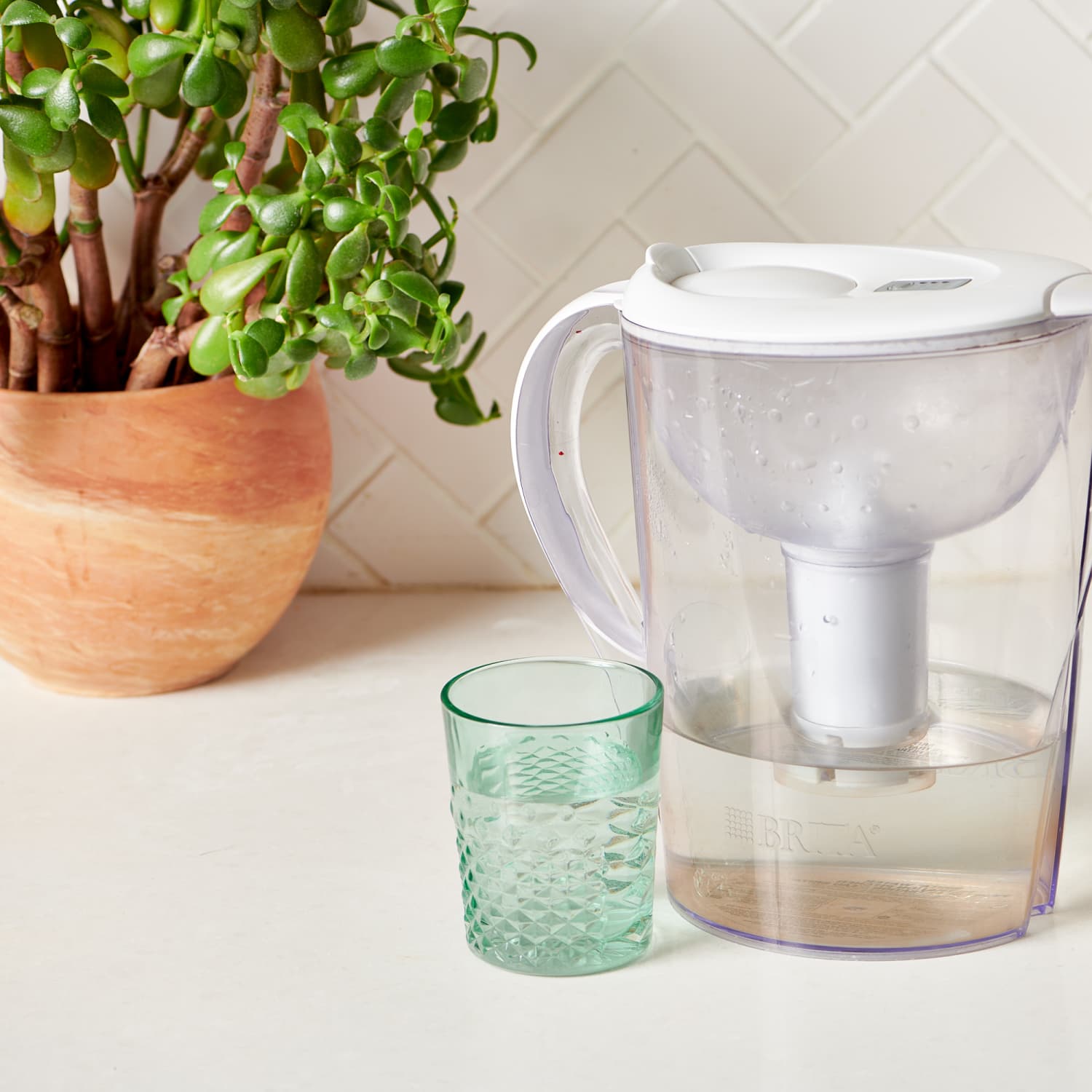
So, do Brita filters remove PFAS? Not really, at least not in the way most people hope.
Some Brita filters can reduce two specific PFAS chemicals (PFOA and PFOS) under lab conditions. In real homes tho, with real water?Independent testing shows partial and inconsistent PFAS reduction, often far below what the certification numbers imply. That’s usually when people start wondering whether faucet-mounted water filters do any better at removing PFAS.
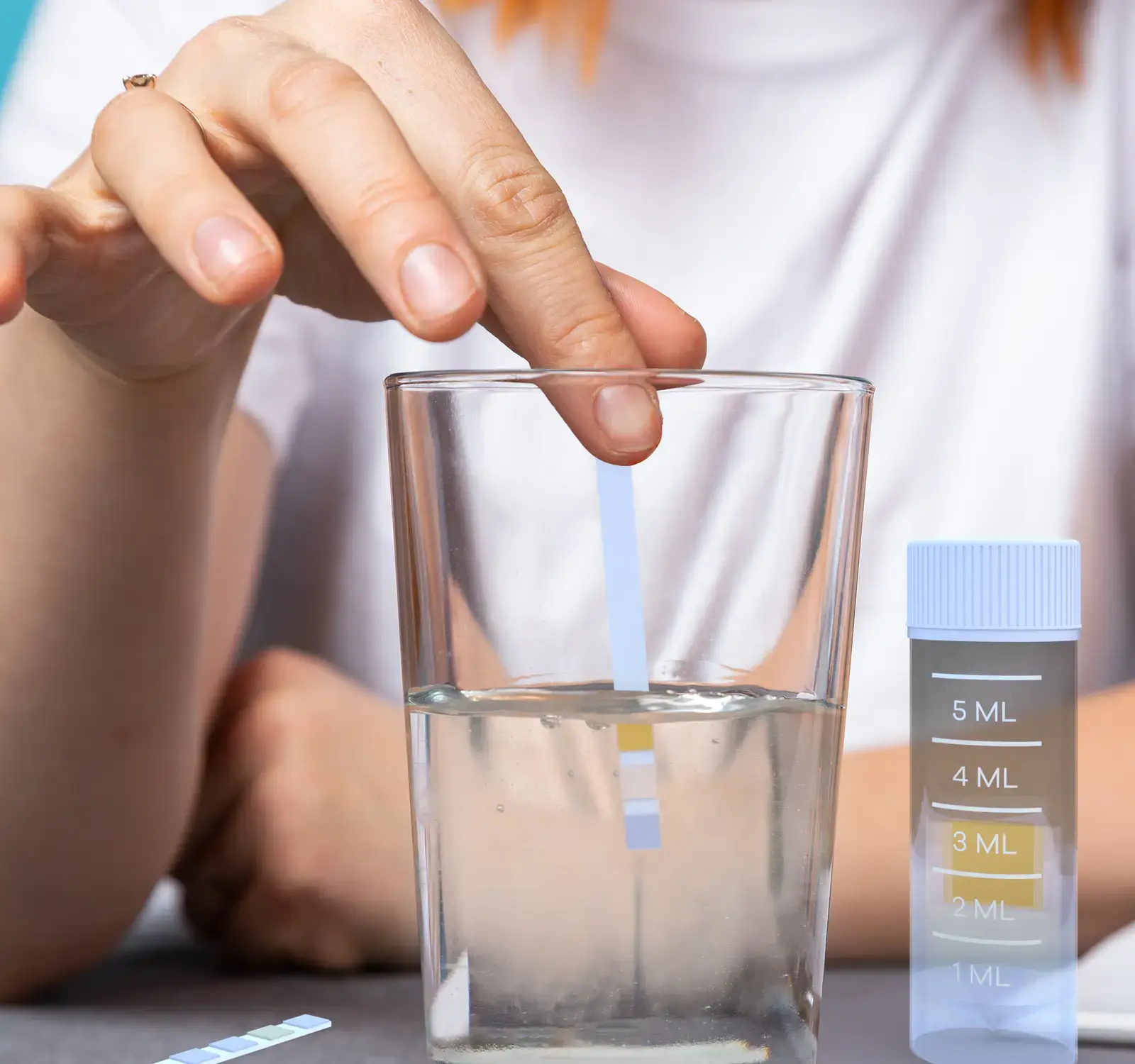
But if you’re trying to figure out whether PFAS is even an issue in your water before upgrading to a better filter, it’s worth starting with a home water testing kit for PFAS so you’re not guessing.
In case you’re using a Brita because your tap water tastes weird, you’re fine, but if you’re using it because you’re worried about forever chemicals, I’m afraid that’s where expectations and reality stop lining up.
The thing most people don’t realize about Brita and PFAS
When people ask do Brita filters remove PFAS, they usually assume all Brita filters behave the same. Spoiler alert; they don’t.
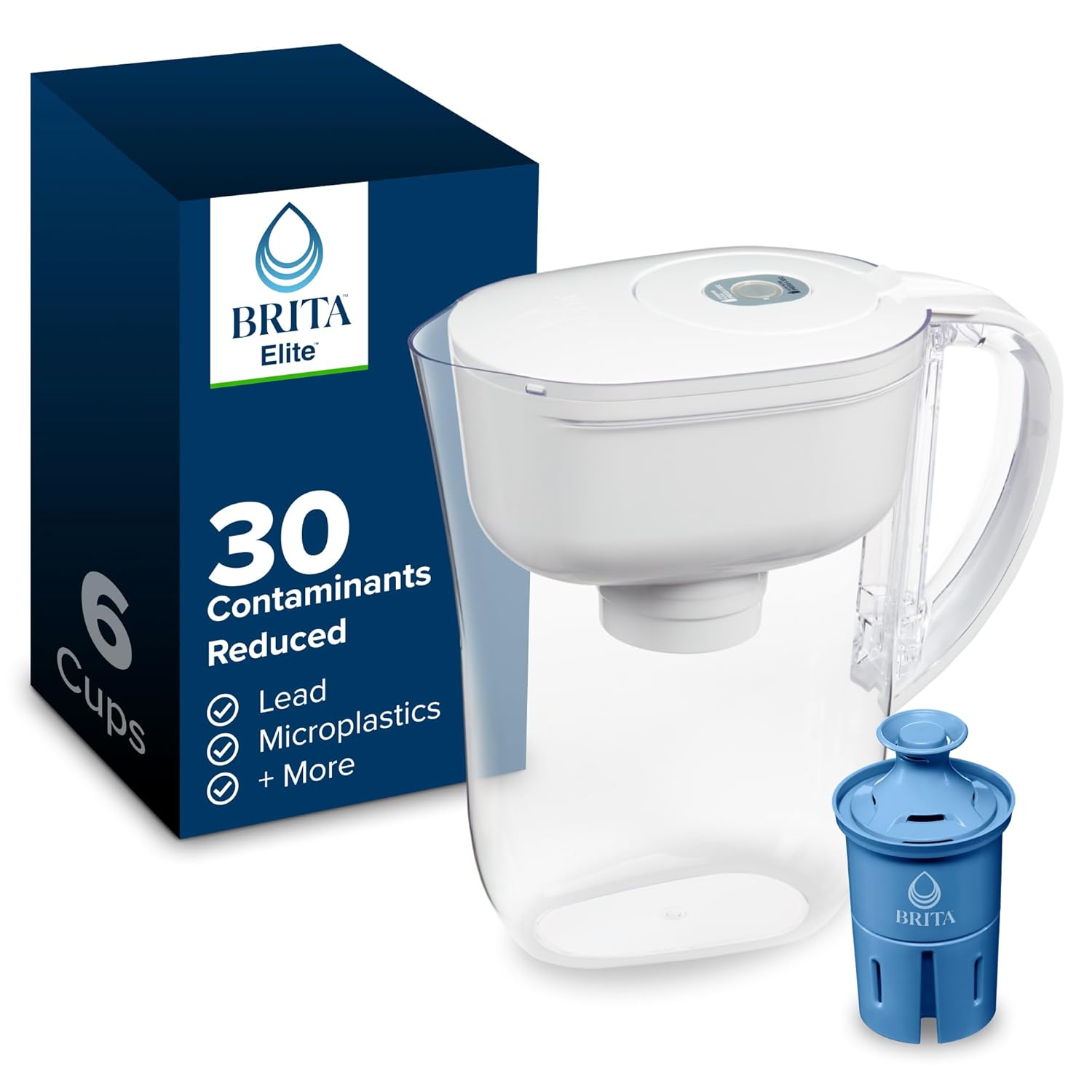
Brita’s PFAS-related claims apply to one consumer product only: the Brita Elite pitcher filter.
The standard white filters that come with most pitchers? No PFAS certification, Brita water bottle filters? Also no.
Even with the Elite filter, the wording is careful. Brita says it “reduces” PFOA and PFOS. Not removes. Not eliminates. Just reduces. That choice of words matters, because it reflects what pitcher filters can realistically pull off.
The Elite filter is certified under NSF/ANSI 53 for those two compounds specifically. The certification is real, but it’s narrow. It doesn’t cover short-chain PFAS, newer replacement chemicals, or the dozens of PFAS compounds that usually show up together in real drinking water.
So yes, there’s testing behind the claim. It just doesn’t stretch very far.
For broader context on what filters actually work for fluoride and related contaminants, this fits into the bigger picture we cover in:
Water Filters That Remove Fluoride: What Actually Works (2026).
Why those lab results don’t hold up at home
On paper, the Elite filter looks impressive! In controlled tests? It shows around 98% reduction of PFOA and PFOS. But lab tests assume everything goes right, you know.. fresh filters, ideal flow, stable water chemistry, and no competition from other contaminants.
That’s not how anyone’s kitchen works, at least not mine.
When researchers tested Brita filters using real water with dozens of PFAS compounds, performance dropped quickly. A 2024 University of Montreal study found total PFAS reduction in the 20–48% range, depending on the water source. The Environmental Working Group saw similar results, measuring roughly 22% reduction and ranking Brita last among the filters they tested.
The reason why those numbers jump around is because PFAS removal is sensitive to things most people never think about; pH, hardness, organic matter, and how close the filter is to being spent. Once the activated carbon starts filling up, performance can fall off fast. In one Duke University study, a used Brita filter actually released more PFAS than the incoming water once it became saturated.
The water still tasted fine. That’s part of the trap: taste tells you almost nothing about PFAS.
Why pitcher filters just aren’t built for this job
To be fair, this isn’t about Brita being dishonest, it’s more about physics.
Pitcher filters struggle with PFAS because water moves through them too quickly, the carbon isn’t densely packed, and there simply isn’t much filter media to begin with. Effective PFAS adsorption works best with longer contact time and more carbon, both of which pitcher filters lack.
Short-chain PFAS make this worse. Compounds like PFBA and PFBS, which are increasingly common, tend to break through early. Even when a Brita works okay at first, these are usually the first to slip past.
When is using a Brita is still reasonable?
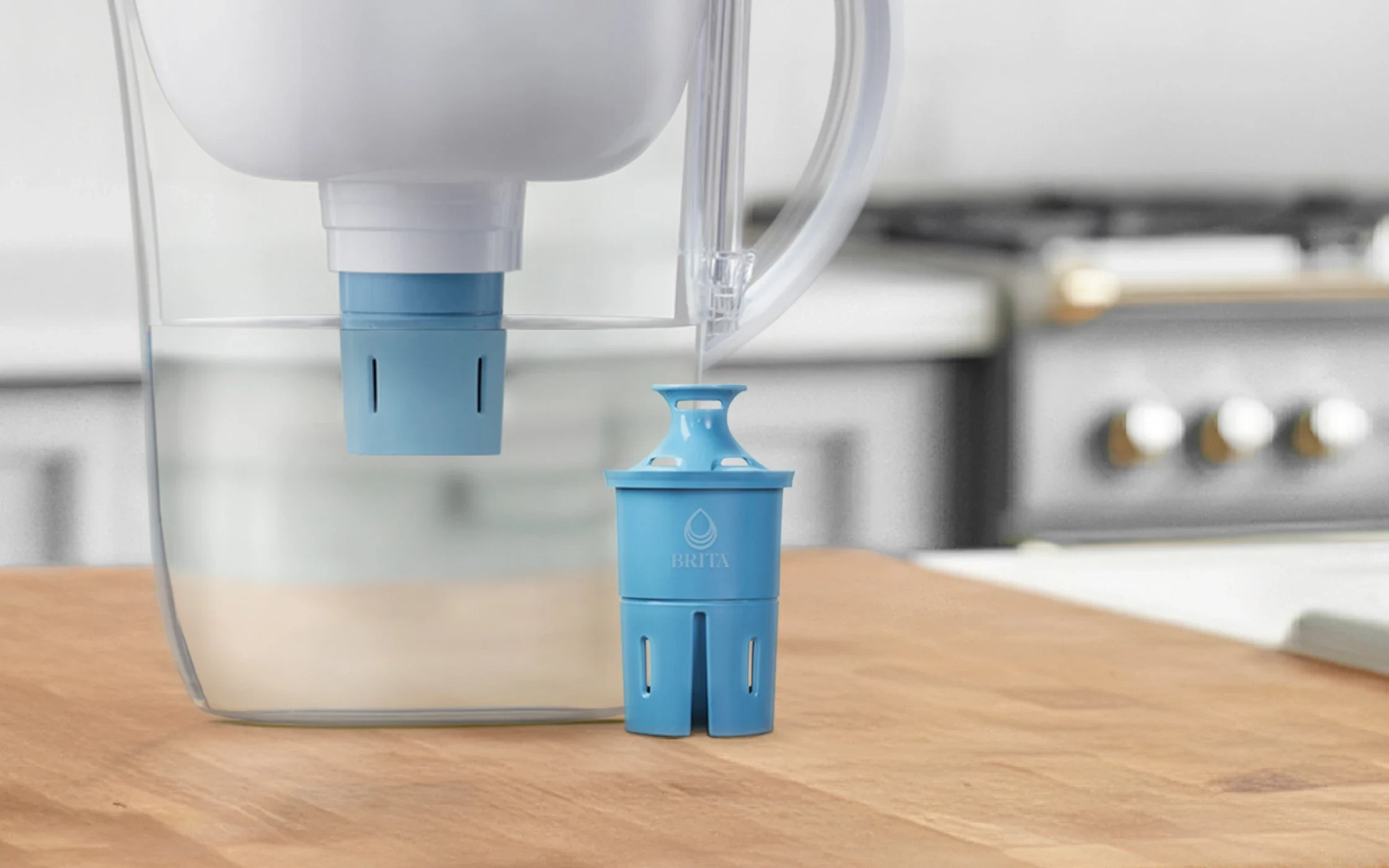
Brita owners reading this probably hate me by now, but a Brita isn’t useless.
If you’re on treated municipal water, PFAS isn’t a known local issue (check through this interactive map), and you mainly want better taste with some reduction of background contaminants, a Brita does what it’s meant to do. Used that way, and with regular filter changes, it’s a really good, reasonable, low-effort upgrade.
Where it stops making sense is when PFAS becomes your main concern. If your water has tested positive, if you live near industrial sites or airports, or if you’re actively trying to reduce long-term exposure, a pitcher filter just isn’t the right tool.
That’s usually when people move toward certified under-sink PFAS filters, which we break down in:
Best Under-Sink Water Filters That Remove PFAS (2026).
So, do Brita filters remove PFAS in a meaningful way?
Partially, and inconsistently.
They can reduce PFOA and PFOS under limited conditions. They’re not a the ultimate PFAS solution, and they’re not built to handle the full range of forever chemicals found in real drinking water.
If you’re using a Brita to make your water taste better, by all means keep using it! If PFAS is the reason you’re filtering water, a Brita pitcher is not the solution.