
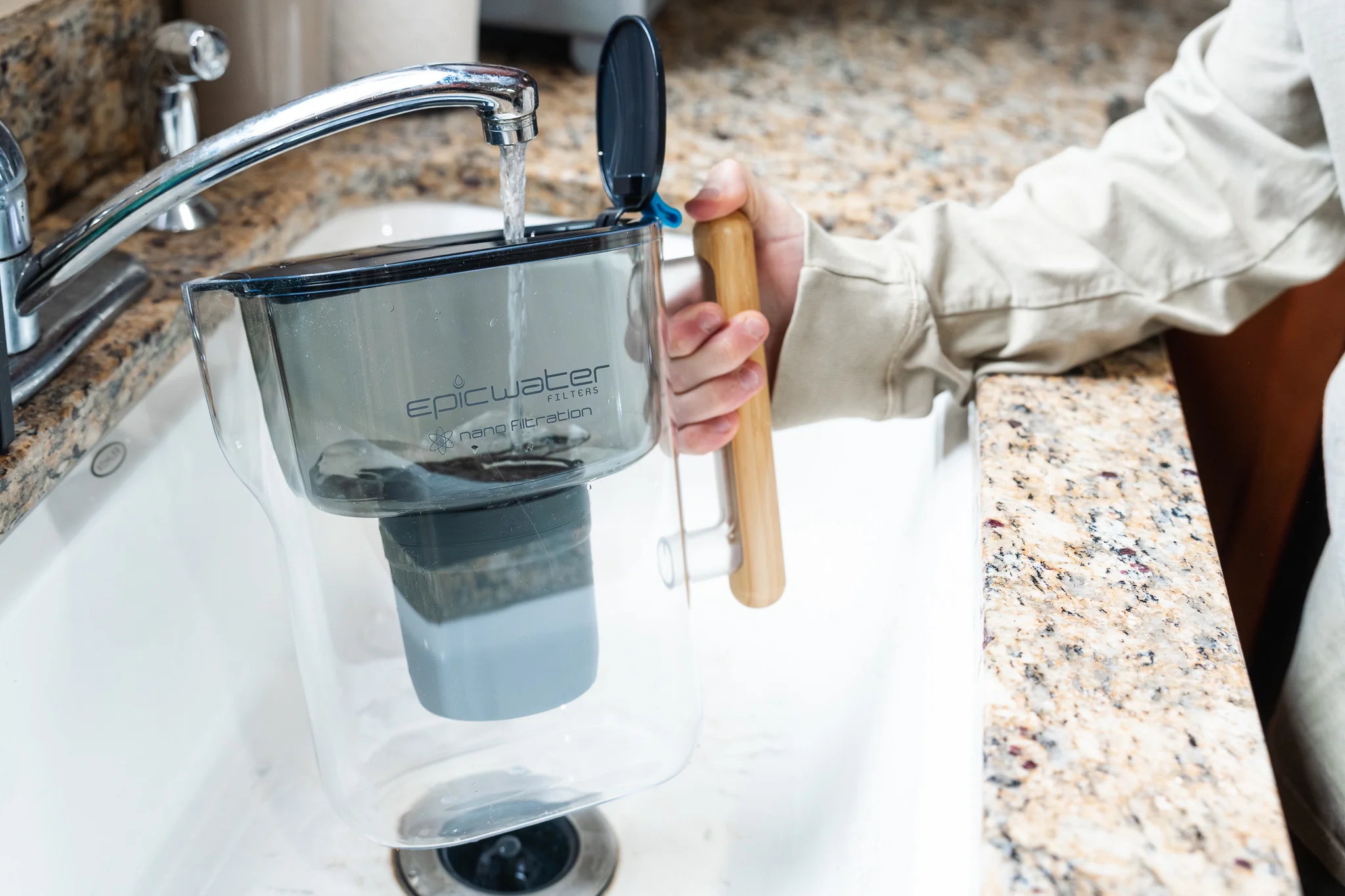
Do water filter pitchers remove PFAS and fluoride? Most standard pitcher filters reduce some PFAS by 50-70%, but perform inconsistently. As for fluoride? Standard carbon pitchers like Brita and PUR don’t remove it at all. A couple of premium pitchers (Clearly Filtered and ZeroWater) show lab-verified performance for both contaminants, but they’re not officially certified for fluoride removal, and that matters.
Let me walk you through what actually works, what doesn’t, and how to tell the difference.
What “Remove” Actually Means
Before we dive into specific filters, you need to understand something critical: the water filtration industry deliberately uses the word “reduce” instead of “remove.”
According to NSF International, certification “does not mean that a filter, purifier or treatment system will reduce all possible contaminants” and verification confirms reduction “to certain levels, not necessarily by removing all of the contaminant present in the source water.”
In plain English: “reduces chlorine” means it lowers the amount, not that your filtered water is 100% chlorine-free.
This distinction becomes critical when we’re talking about PFAS levels measured in parts per trillion and EPA limits set at 4 ppt. A filter that “reduces” PFAS by 60% might drop your contamination from 20 ppt to 8 ppt, which still exceeds the EPA’s new drinking water standard.
Why PFAS and Fluoride Are Completely Different Problems
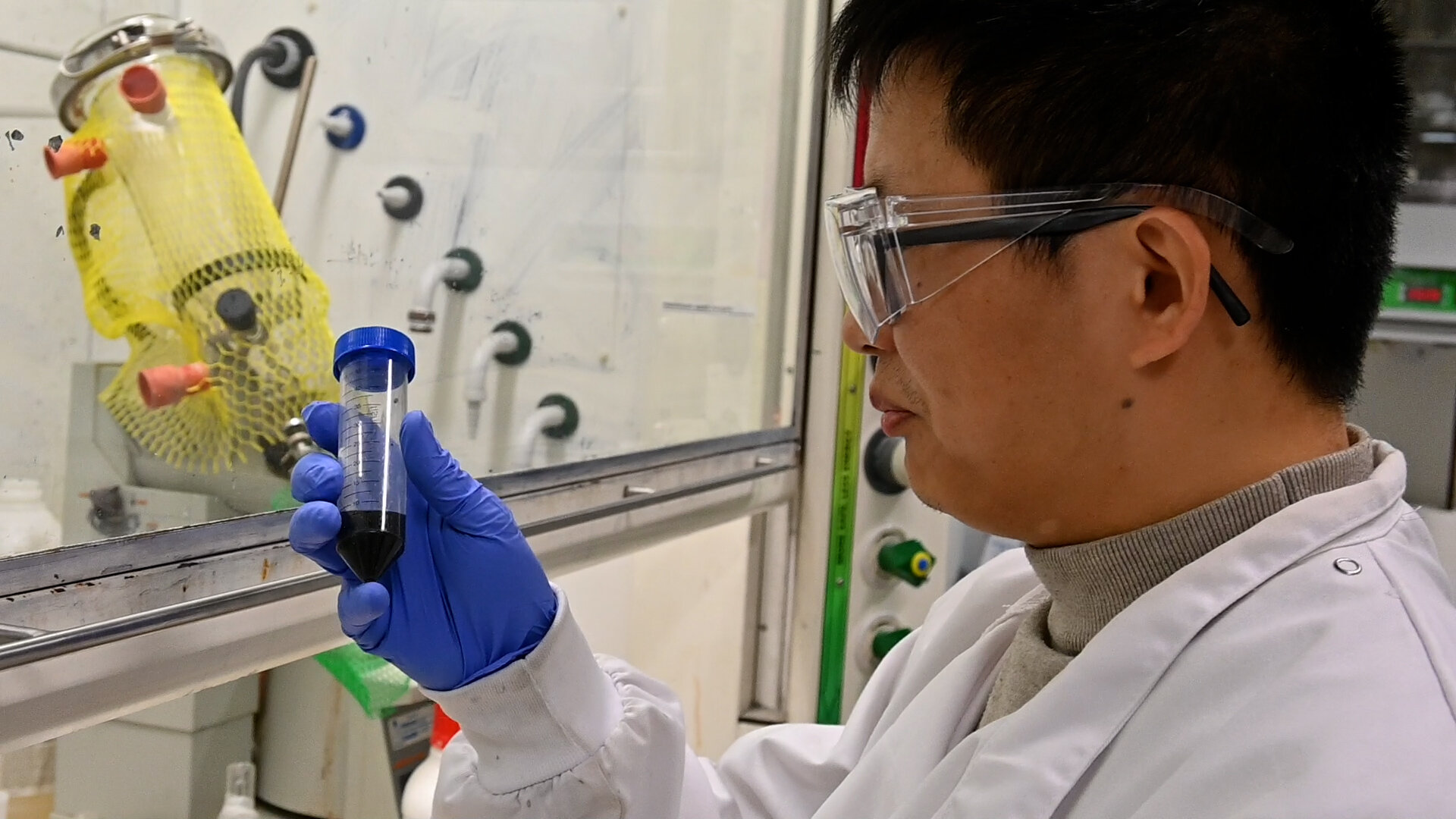
Can water filter pitchers remove PFAS and fluoride? To answer that, you first need to understand why these contaminants behave so differently.
PFAS: The Forever Chemical Problem
PFAS (per- and polyfluoroalkyl substances) are nicknamed “forever chemicals” because they contain carbon-fluorine bonds, the strongest covalent bond in organic chemistry. The EPA notes they’re “chemically and thermally stable, reduce surface tension, and are resistant to heat, water, and oil.”
Activated carbon can capture PFAS molecules through van der Waals forces and electrostatic interactions, but the thing is: the EPA confirms that “GAC works well on longer-chain PFAS like PFOA and PFOS, but shorter chain PFAS like PFBS and PFBA do not adsorb as well.”
In simpler terms, the two PFAS compounds that most filters are certified to reduce (PFOA and PFOS) are also the easiest ones to capture. The harder-to-catch short-chain PFAS? Not so much.
Fluoride: A Chemistry Mismatch
Fluoride ions behave entirely differently. At 133 picometers, fluoride ions are too small for carbon pores (typically >1,000 picometers) to effectively trap. More importantly, activated carbon has a neutral surface that can’t attract negatively charged fluoride ions.
The science is settled on this: a peer-reviewed study published in the Australian Dental Journal found that activated-carbon filters removed negligible fluoride from tap water, with any initial reduction disappearing after just 8 liters of filtration.
This means that standard activated carbon (what most pitcher filters use) removes less than 10% of fluoride. Brita openly states on their website: “BRITA water filters are not designed to remove fluoride.”
The same is true for nitrates. If your well water or municipal supply has elevated nitrate levels, no standard carbon pitcher will help. We cover exactly which filter types do and don’t remove nitrates in our guide to whether water filters remove nitrates.
So if you’re wondering which water filter pitchers remove fluoride, the answer for standard carbon pitchers is: none of them.
The Contact Time Problem Nobody Talks About

Here’s something that might surprise you; pitcher filters are fundamentally limited by physics, not just by the quality of their carbon.
The Water Quality Association explains that a typical 10-inch carbon cartridge running at 0.5 gallons per minute provides about 25 seconds of contact time between water and carbon (called Empty Bed Contact Time, or EBCT).
How much contact time do you actually need for effective PFAS removal? 7 to 10 minutes.
No, that’s not a typo. For meaningful PFAS reduction, water needs to sit in contact with activated carbon for several minutes—not the few seconds it spends trickling through a pitcher filter.
This explains why pitcher filters perform so inconsistently in real-world conditions. They’re asking a tablespoon of carbon to do the work that requires a pound of carbon and significantly more time.
What the Duke/NC State Study Actually Found
The most rigorous independent testing of home water filters came from researchers at Duke University and NC State, who tested 76 point-of-use filters in actual homes, including 13 pitcher filters.
The study, published in Environmental Science & Technology Letters, tested 16 different PFAS compounds including GenX. Here’s what they found for pitcher filters:
Average PFAS removal by compound:
- PFOS (long-chain): 71%
- PFOA (long-chain): 67%
- PFBS (short-chain): 65%
- GenX: 46%
- PFBA (short-chain): 36%
The researchers’ conclusion? “The effectiveness of activated-carbon filters used in many pitcher, countertop, refrigerator and faucet-mounted styles was inconsistent and unpredictable.”
Even more concerning: they found “no clear trends between removal efficiency and filter brand, age or source water chemical levels.” Two identical filters from the same brand could perform completely differently.
For comparison, reverse osmosis systems in the same study achieved ≥94% removal across all PFAS compounds tested, including the problematic short-chain ones.
The Brand-by-Brand Breakdown
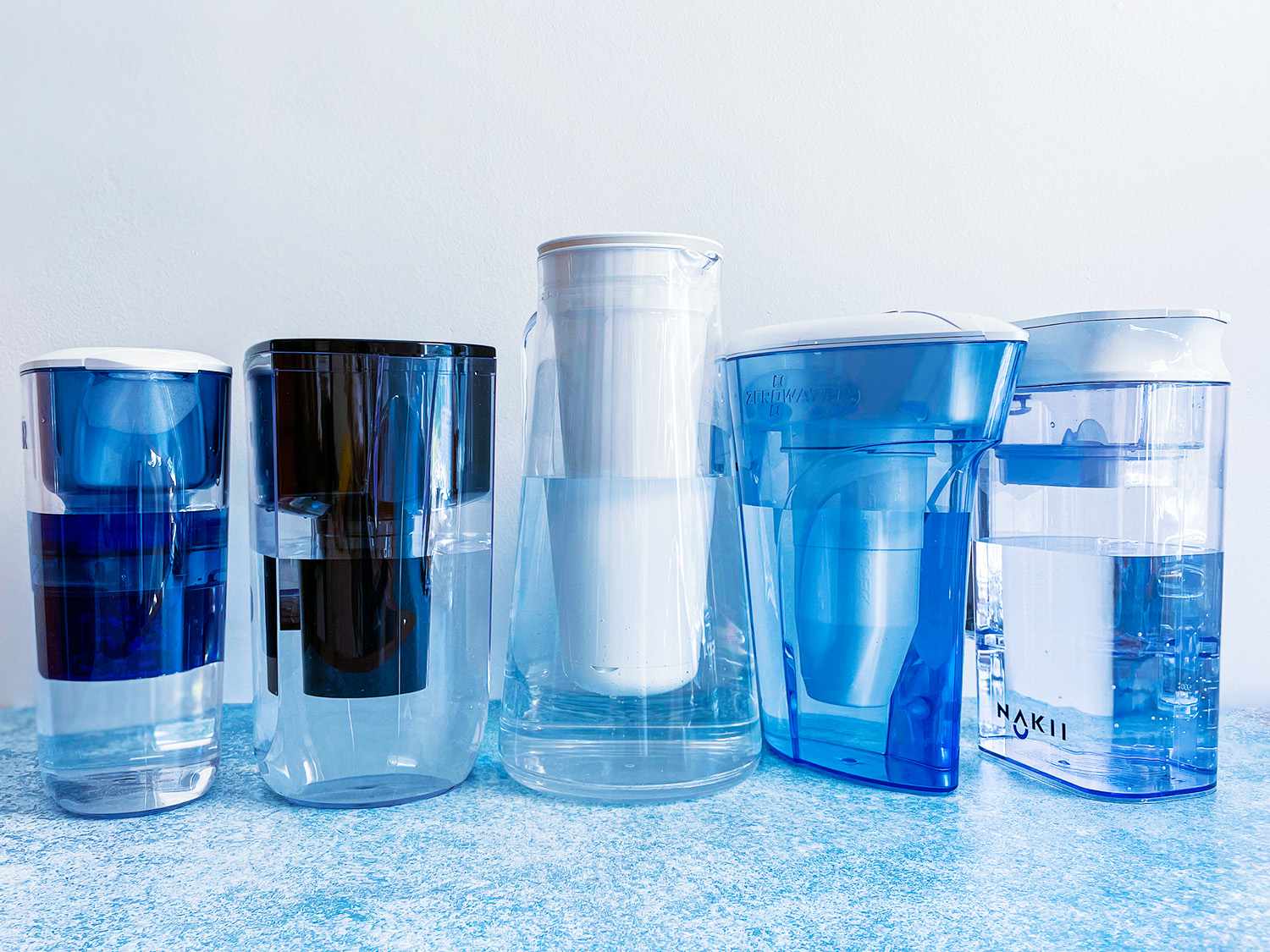
The Environmental Working Group (EWG) conducted real-world testing in 2023, testing 10 filters against 25 PFAS compounds. Here’s what they found:
Standard Pitchers (What Most People Buy)
Brita Elite: 22% PFAS reduction
- What you should know: This is the worst performer despite marketing itself for PFAS removal and carrying NSF 53 certification for PFOA/PFOS
- The reality: This should outrage you. The Elite is more expensive than Brita Standard but removes less PFAS in real-world testing
- Annual cost: ~$90
PUR Plus: 66% PFAS reduction
- What you should know: EWG testers noted “extremely slow filtration”
- Annual cost: ~$70
Amazon Basics: 54% PFAS reduction
- What you should know: Budget option with budget performance
Premium Pitchers (The Exception)
Clearly Filtered: 100% PFAS reduction (to non-detectable levels)
- What you should know: Uses ion exchange technology in addition to carbon, which explains the superior performance
- Third-party tested by IAPMO New Jersey (ISO 17025 accredited lab)
- Annual cost: ~$436
ZeroWater: 100% PFAS reduction (to non-detectable levels)
- What you should know: Also uses 5-stage ion exchange
- The catch: Filters last only ~20 gallons (about 10 days for a family of four)
- Annual cost: ~$650 if you’re drinking 2 gallons per day
Epic Pure: 98% PFAS reduction
- What you should know: EWG testers’ favorite for balancing performance and practicality
- Annual cost: ~$150
Epic released an updated version in February 2026 with a dual-layer CoreXchange filter that adds microbiological protection and a replaceable inner cartridge. If you’re deciding between the two, here’s whether the Epic Pure XP is worth buying and how its certification status compares to the original.
The Certification Gap You Need to Understand
When a pitcher says “NSF Certified for PFAS,” here’s what that actually means, and what it doesn’t.
Current NSF certifications for PFAS cover exactly 7 compounds out of more than 14,000 known PFAS chemicals:
- PFOA
- PFOS
- PFHxS
- PFNA
- PFHpA
- PFBS
- PFDA
That’s it. GenX (HFPO-DA), one of the replacement chemicals now contaminating water supplies, isn’t even included, despite having an EPA maximum contaminant level of 10 ppt.
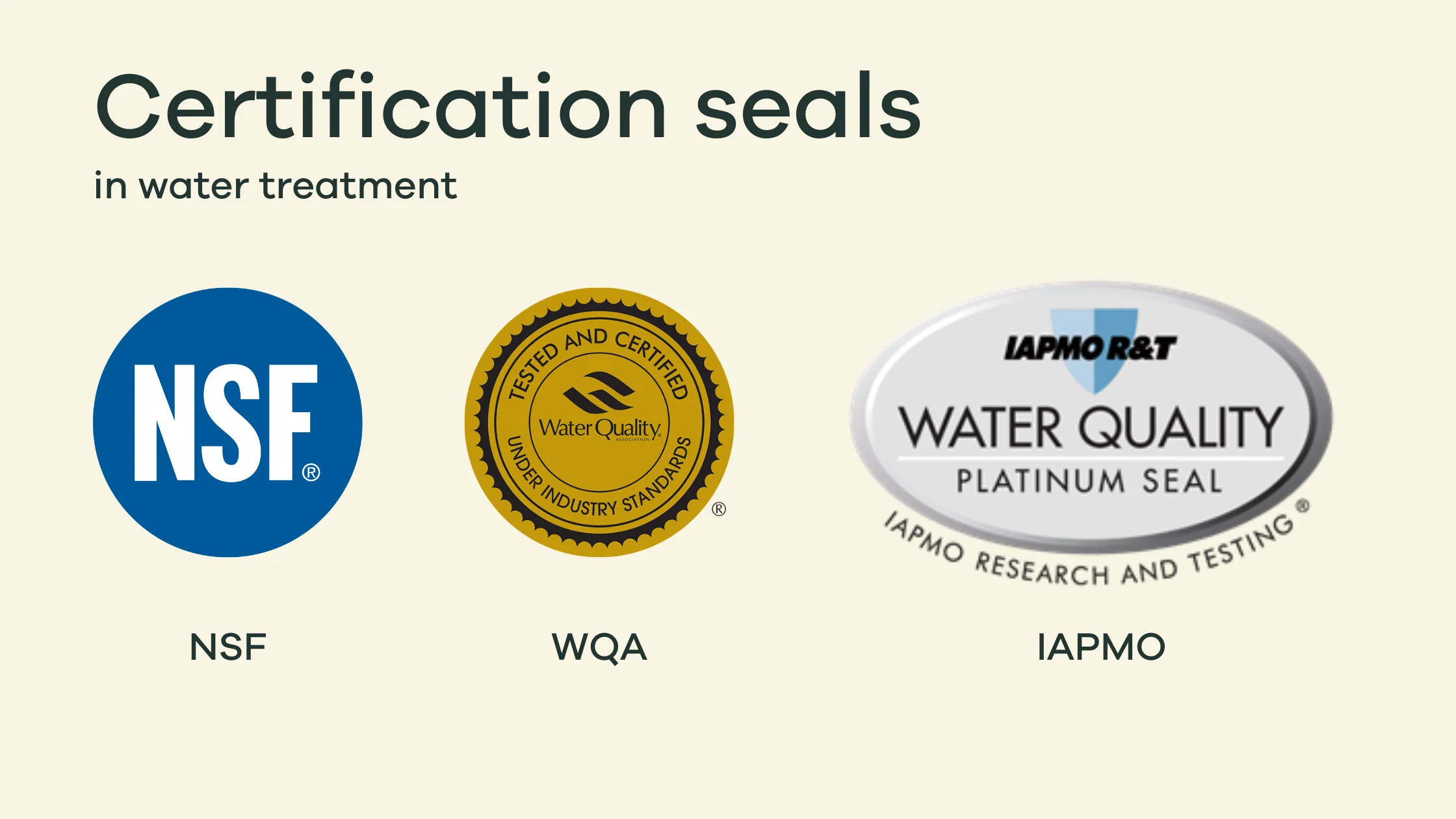
Even worse, the EPA acknowledges that “the current certification standards for PFAS filters do not yet indicate that a filter will remove PFAS down to the levels EPA has now set.”
NSF’s current testing threshold is 20 ppt total. The EPA’s new drinking water standards, set in April 2024, require 4 ppt for PFOA and PFOS individually.
This means that a filter can pass NSF certification and still leave you with PFAS levels five times higher than the EPA now considers safe.
Can Water Filter Pitchers Remove Fluoride? The Uncomfortable Truth
Let’s be direct: most pitcher filters can’t remove fluoride, and the ones that claim to aren’t officially certified for it.
What Doesn’t Work (Most Pitchers)
Brita: Doesn’t remove fluoride. The company explicitly states their filters “are not designed to remove fluoride” and marketing materials say they “keep a healthy level of fluoride.”
PUR: Doesn’t remove fluoride.
Aquagear: Claims fluoride removal. Independent testing shows no effect.
Epic Nano: Claims 97.8% fluoride removal. Independent testing showed only 66% reduction.
What Might Work (With Caveats)
Clearly Filtered:
- Claim: >99.54% fluoride removal.
- Lab verification: Third-party tested by IAPMO, with independent confirmation by Tap Score lab (1.1 ppm → undetectable).
- Certification status: WQA certified for NSF 42 and 53—but fluoride is NOT in their official certifications.
- The catch: No long-term data on fluoride removal as filters age.
ZeroWater:
- Claim: 99% fluoride reduction using 5-stage ion exchange
- Lab verification: Multiple independent tests confirm near-complete fluoride removal
- Certification status: IAPMO certified for NSF 42, 53, and 401 for six contaminants—not including fluoride
- The catch: ConsumerLab warns fluoride removal “can lose this ability fairly quickly” as filters saturate. With a 20-gallon filter life, you’re replacing every 10 days.
Why No Pitcher Can Be “NSF Certified” for Fluoride
This is important: NSF/ANSI Standard 58 is the only NSF standard that covers fluoride reduction, requiring ≥95% removal. Standard 58 applies exclusively to reverse osmosis systems.
By definition, a pitcher filter cannot qualify for NSF 58 certification. So when a pitcher claims fluoride removal, it’s based on third-party testing—not NSF certification.
That doesn’t mean it doesn’t work. It means the claim hasn’t been verified through the same ongoing testing and monitoring process that NSF certification requires.
The Saturation Problem Nobody Warns You About
Here’s something that should terrify you: old, saturated filters can actually increase PFAS levels in your water.
From the Duke/NC State study: “Four of the six whole-house carbon filter systems we analyzed experienced an increase in PFAS concentration after filtration, suggesting saturated media may be desorbing PFASs into the home’s water.”
Dr. Tasha Stoiber from EWG explains it this way: “If you don’t change it, and it becomes saturated, the levels of PFAS in the filtered water can go above the levels coming from the tap.”
A 2024 study in Frontiers in Environmental Chemistry found that ZeroWater began releasing previously captured chloride back into filtered water after 160 liters.
You know that “replace every 2 months” sticker on your filter? It’s not a suggestion. If you’re relying on a pitcher for PFAS protection, missing replacement dates could make your water worse than tap water.
Which Water Filter Pitchers Remove PFAS and Fluoride?
Based on everything we’ve covered, here’s who should buy what:
Buy a Standard Pitcher If:
- Your only goal is improving taste and removing chlorine.
- You want some PFAS reduction (~50-70%) and understand that’s not comprehensive.
- You don’t care about fluoride.
- Budget is your primary concern.
Recommendation: Brita Standard (not Elite) or PUR Plus.
Buy a Premium Pitcher If:
- You want high PFAS reduction and are willing to pay significantly more.
- You want fluoride reduction based on lab testing (not certification).
- You’re committed to frequent filter replacement (especially with ZeroWater).
- You understand this isn’t NSF certified for fluoride.
Recommendation: Clearly Filtered (more practical filter life) or Epic Pure (best balance).
Don’t Buy Any Pitcher If:
- You need NSF-certified fluoride removal (get RO instead).
- You have short-chain PFAS or GenX in your water (RO is more effective).
- Your source water has high PFAS contamination (pitchers are too inconsistent).
- You need to reliably meet EPA’s 4 ppt PFAS limits (no current certification achieves this).
Alternative recommendation: Under-sink reverse osmosis.
The Reverse Osmosis Reality Check
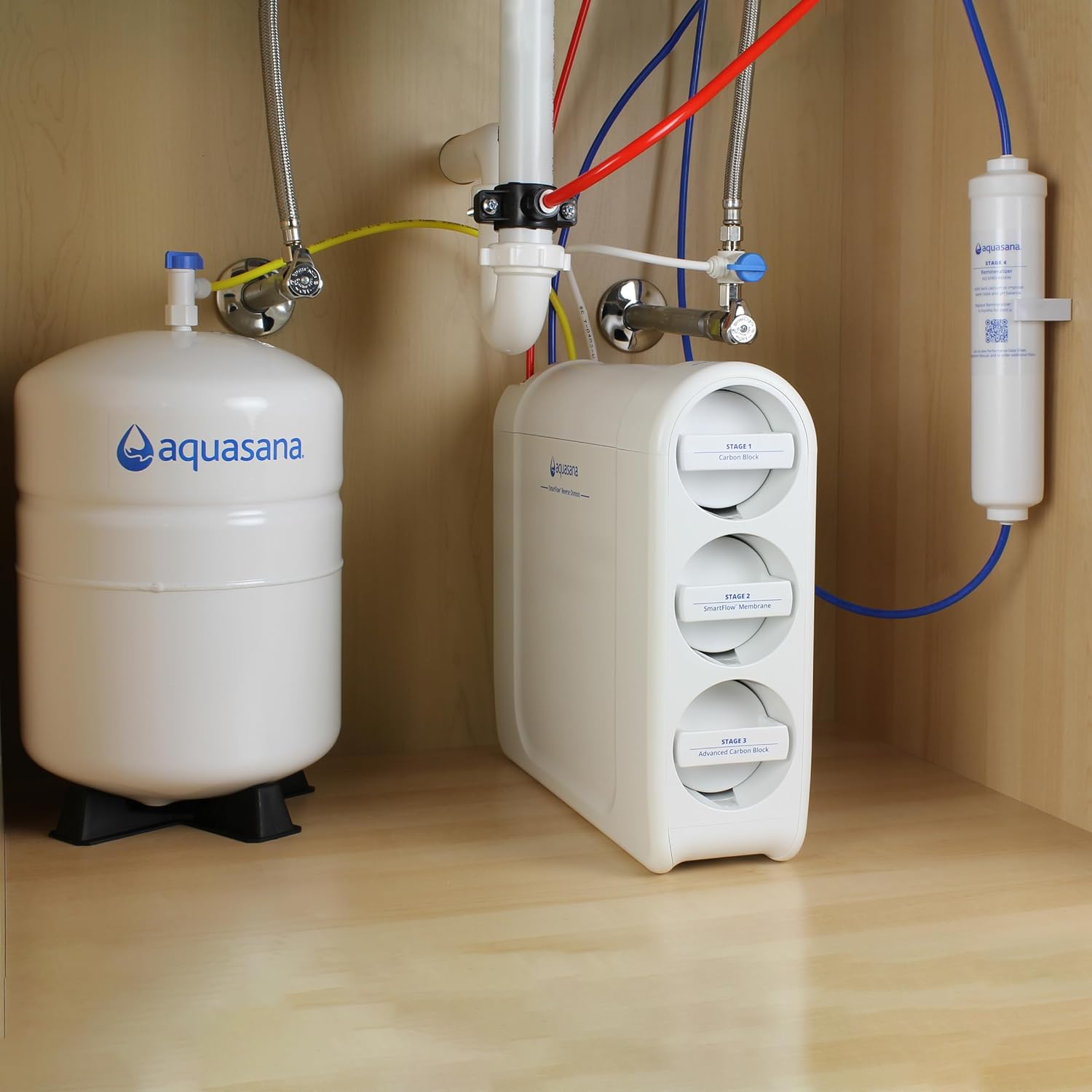
If you need comprehensive protection from both PFAS and fluoride, reverse osmosis is the only technology with official NSF certification for both contaminants.
The Duke/NC State study found RO systems achieved ≥94% removal across all PFAS compounds tested, including the problematic short-chain ones that pitchers struggle with. NSF/ANSI Standard 58 requires RO systems to remove ≥95% of fluoride.
The cost comparison people get wrong:
Standard pitcher (Brita): ~$60/year Premium pitcher (Clearly Filtered): ~$436/year Premium pitcher (ZeroWater): ~$650/year Under-sink RO: ~$50-100/year in filter replacements after $200-400 initial install
Yes, RO has a higher upfront cost. But the annual operating cost is actually lower than premium pitchers because RO membrane filters last 6-12 months instead of 2-3 months (or 10 days for ZeroWater).
How to Verify Any Filter Claim in 90 Seconds
Don’t trust marketing. Here’s how to verify any pitcher filter claim:
Step 1: Check the Official Database
Go to NSF’s product database or WQA’s certification lookup.
Step 2: Look for Specific Contaminants
A listing should show exactly which contaminants are certified:
- ✅ Good: “NSF 53 certified for PFOA, PFOS, lead, mercury”.
- ❌ Red flag: “NSF Certified” with no specifics.
- ❌ Red flag: “Tested to comply with NSF 53” (not the same as certified).
Step 3: Check What’s Missing
- Is the pitcher certified for fluoride? (Spoiler: No pitcher can be—that’s NSF 58).
- Is it certified for “Total PFAS” or just PFOA/PFOS?
- Does the certification cover GenX or short-chain PFAS?
Step 4: Cross-Reference Independent Testing
- Has EWG tested it?
- Has Consumer Reports reviewed it?
- Are there independent lab reports (not just manufacturer data)?
Red flags to watch for:
- “Removes” instead of “reduces”.
- “Tested by an independent lab” without naming the lab or providing the test report.
- “NSF Certified” without specifying which standard or contaminants.
- PFAS claims that don’t specify which PFAS compounds.
- Any fluoride claim on a standard carbon pitcher.
Top 5 Myths About Water Filter Pitchers
If you’ve read other pitcher filter reviews, you’ve probably encountered these myths:
Myth 1: “NSF Certified Means Comprehensive Protection”
A filter certified to NSF 42 only handles chlorine taste and odor, zero health-related contaminants. Always verify WHICH standard and WHICH contaminants.
Myth 2: “Removes PFAS Means All PFAS”
Current certifications cover 7 compounds out of 14,000+. Short-chain PFAS and GenX are poorly addressed by most pitcher technologies.
Myth 3: “Any Carbon Filter Removes Fluoride”
Standard activated carbon removes <10% of fluoride. Only RO, activated alumina, or specialized ion exchange technologies work for fluoride.
Myth 4: “Lab Results Equal Real-World Performance”
Filters are tested when new, under ideal conditions. The Duke/NC State study found real-world pitcher performance was “inconsistent and unpredictable” with no correlation to brand or filter age.
Myth 5: “More Expensive Means Better Performance”
Brita Elite costs more than Brita Standard but removed less PFAS in EWG testing (22% vs 66%). Price doesn’t predict performance.
The Bottom Line: Do Water Filter Pitchers Remove PFAS and Fluoride?
Here’s what you need to remember:
For PFAS:
- Standard pitchers reduce 50-70% of long-chain PFAS (PFOA/PFOS), with high variability.
- Premium pitchers (Clearly Filtered, ZeroWater, Epic Pure) achieve 98-100% reduction in controlled testing.
- Short-chain PFAS and GenX are poorly addressed by all pitcher technologies.
- Current certifications don’t meet EPA’s new 4 ppt standards.
- Performance is inconsistent and unpredictable in real-world conditions.
For fluoride:
- Standard carbon pitchers (Brita, PUR) don’t remove fluoride, confirmed by manufacturers.
- Clearly Filtered and ZeroWater show lab-verified fluoride removal, but aren’t NSF certified for it.
- No pitcher can be NSF certified for fluoride (that requires RO technology).
- Long-term fluoride removal performance as filters age is unknown.
If you need both: Under-sink reverse osmosis is the only technology with NSF certification for both PFAS and fluoride, with peer-reviewed data showing ≥94% PFAS removal and ≥95% fluoride removal.
The right filter depends on your specific water quality, your budget, and whether you want certified protection or are comfortable with lab-verified-but-not-certified performance.
Before you buy any filter, I’d recommend testing your water first. You might not have PFAS or fluoride problems, and if you do, you’ll know exactly which contaminants to target.