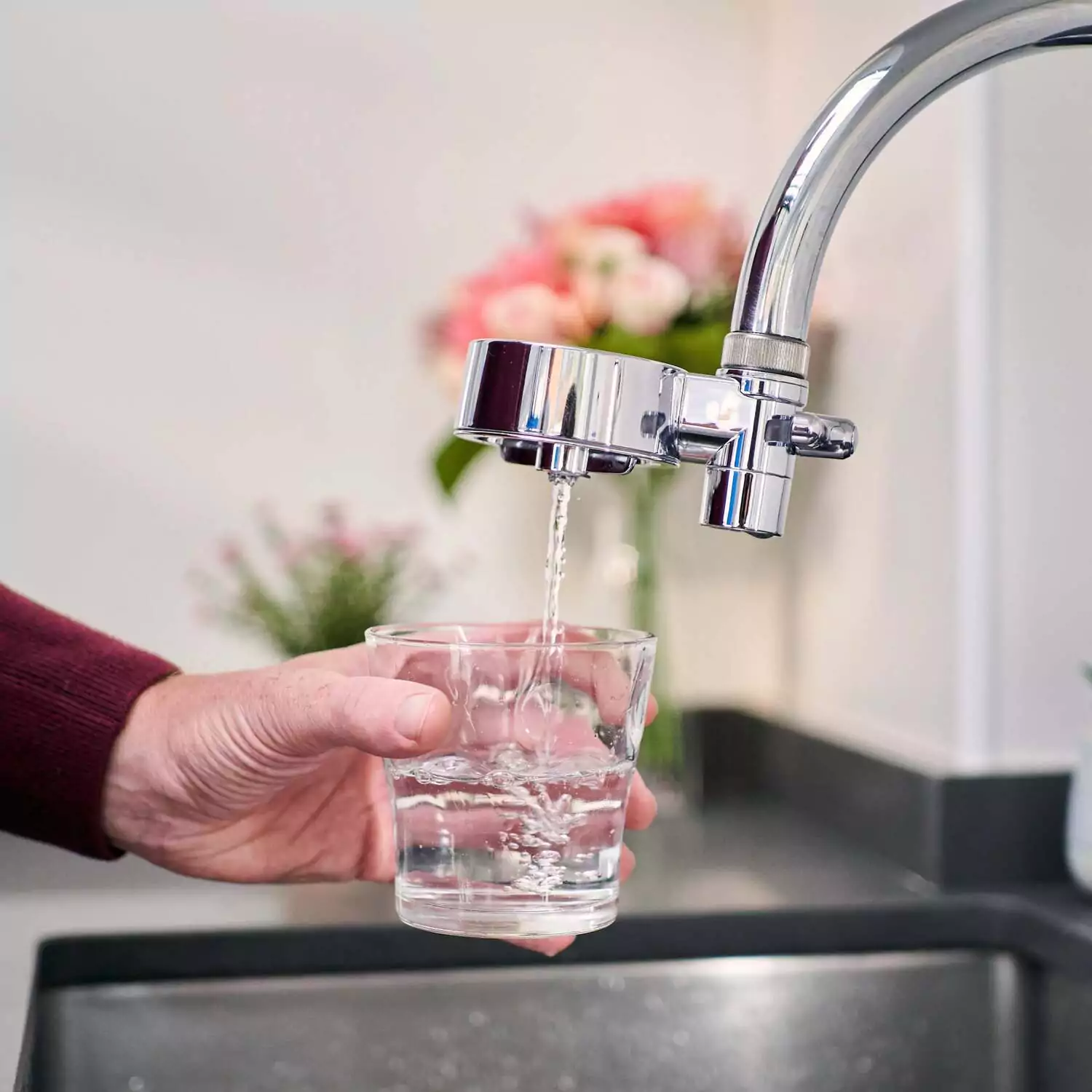
I get this question a lot; do faucet-mounted water filters actually remove fluoride? In almost all cases, no.
Faucet-mounted water filters are good at improving taste and cutting chlorine. But when it comes to fluoride, they’re simply not built for that job. In fact, some of the most widely certified faucet filters are approved specifically because they leave fluoride in the water.
If fluoride removal is your goal, this category is usually the wrong place to look.
In case you’re worried about PFAS and wonder if faucet mounted filters remove PFAS, read our guide here:
Do Faucet Water Filters Remove PFAS?
Jump straight to the sections:
- Why this is so confusing in the first place
- How faucet-mounted filters actually work
- What testing and certifications really show
- What faucet-mounted filters deliver (and don’t)
- Where faucet filters actually fit
Why this is so confusing in the first place
So here’s where the confusion starts.
A lot of faucet filters are marketed with vague phrases like “advanced filtration” or “removes harmful contaminants.” If you’re already concerned about fluoride, it’s easy to assume that means fluoride is included.
Customer reviews make this worse (unintentionally). A common pattern in Amazon and Reddit discussions is people saying things like:
- “My water tastes better, so I assume it’s cleaner”
- “I bought this to remove fluoride.. turns out it doesn’t!?”
That assumption makes sense. Unfortunately, taste improvement and fluoride removal are two very different things.
How faucet-mounted filters actually work
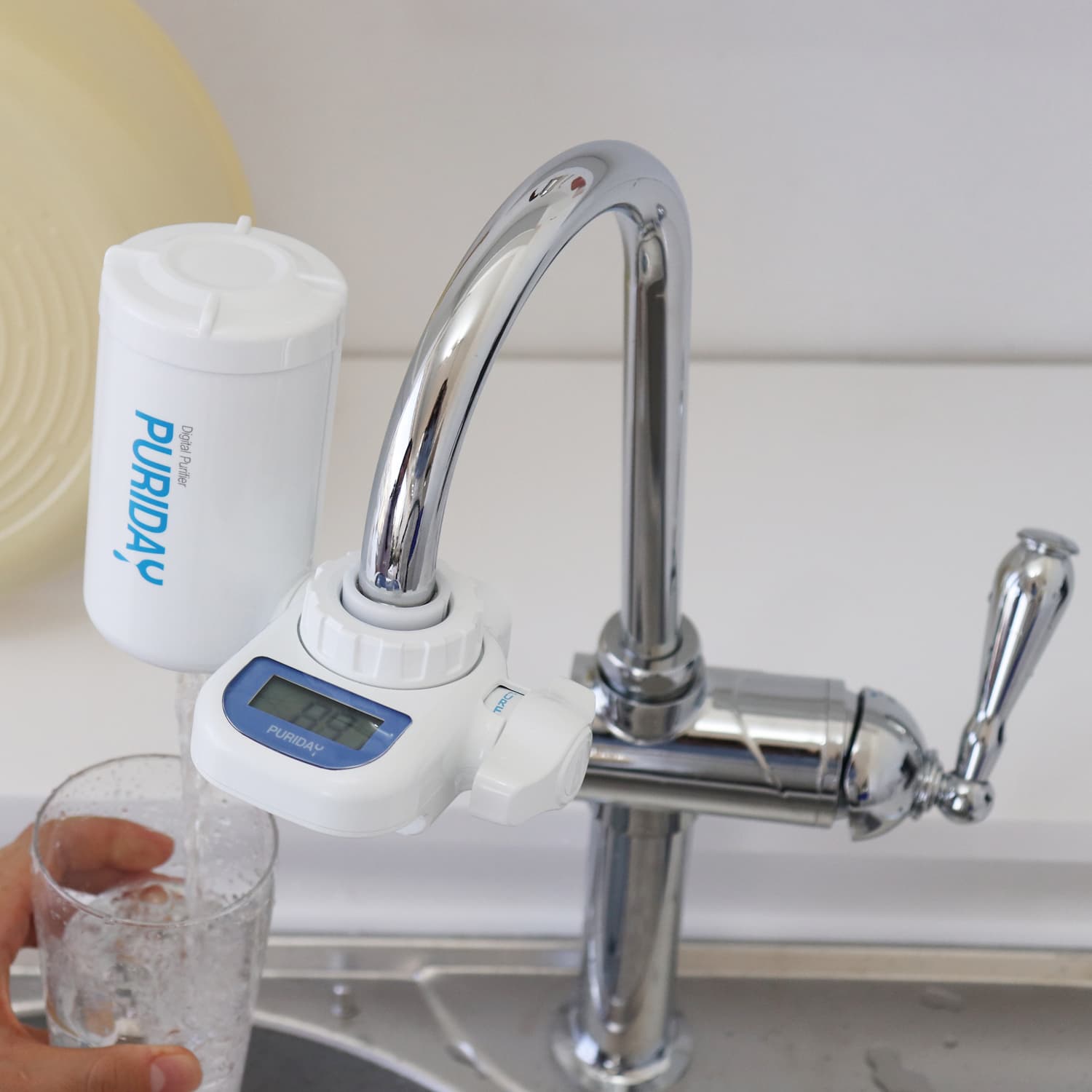
Most faucet-mounted filters rely on activated carbon, sometimes paired with a small amount of ion-exchange material.
Think of activated carbon like a sponge for certain chemicals. It’s excellent at grabbing onto things like chlorine, odors, and some organic compounds, that’s why water often tastes noticeably better right away.
Fluoride, however, doesn’t behave the same way.
Fluoride particles are very small and don’t stick well to standard carbon media. On top of that, faucet filters push water through quickly, leaving no contact time for meaningful fluoride reduction to happen.
So while the water gets clearer and better-tasting, the fluoride mostly passes straight through.
What testing and certifications really show
This is where most people get lost, the technical side.
NSF/ANSI standards for faucet-mounted filters focus on things like chlorine, lead, and particulates. Fluoride reduction isn’t part of the picture. In fact, the American Dental Association has approved some faucet-mounted filters specifically because they don’t remove fluoride, which it considers beneficial for dental health.
Independent lab testing backs this up. Standard carbon filters show little to no lasting impact on fluoride levels in tap water. A few studies do find a small, short-lived drop when the carbon is brand new, but that effect fades quickly, often after just a few gallons. In everyday use, it doesn’t meaningfully change fluoride levels at all.
What real-world use usually looks like
Most people’s experience goes something like this:
They buy a faucet-mounted filter.. At first, the water tastes better. The chlorine smell drops. Everything seems to be working (yay!)
Then someone checks the specs more closely, or decides to test their water, and realizes fluoride levels haven’t changed. That’s usually when frustration sets in, especially if fluoride removal was the main reason for buying the filter.
This pattern shows up again and again in long-term reviews: satisfaction with taste, disappointment with expectations.
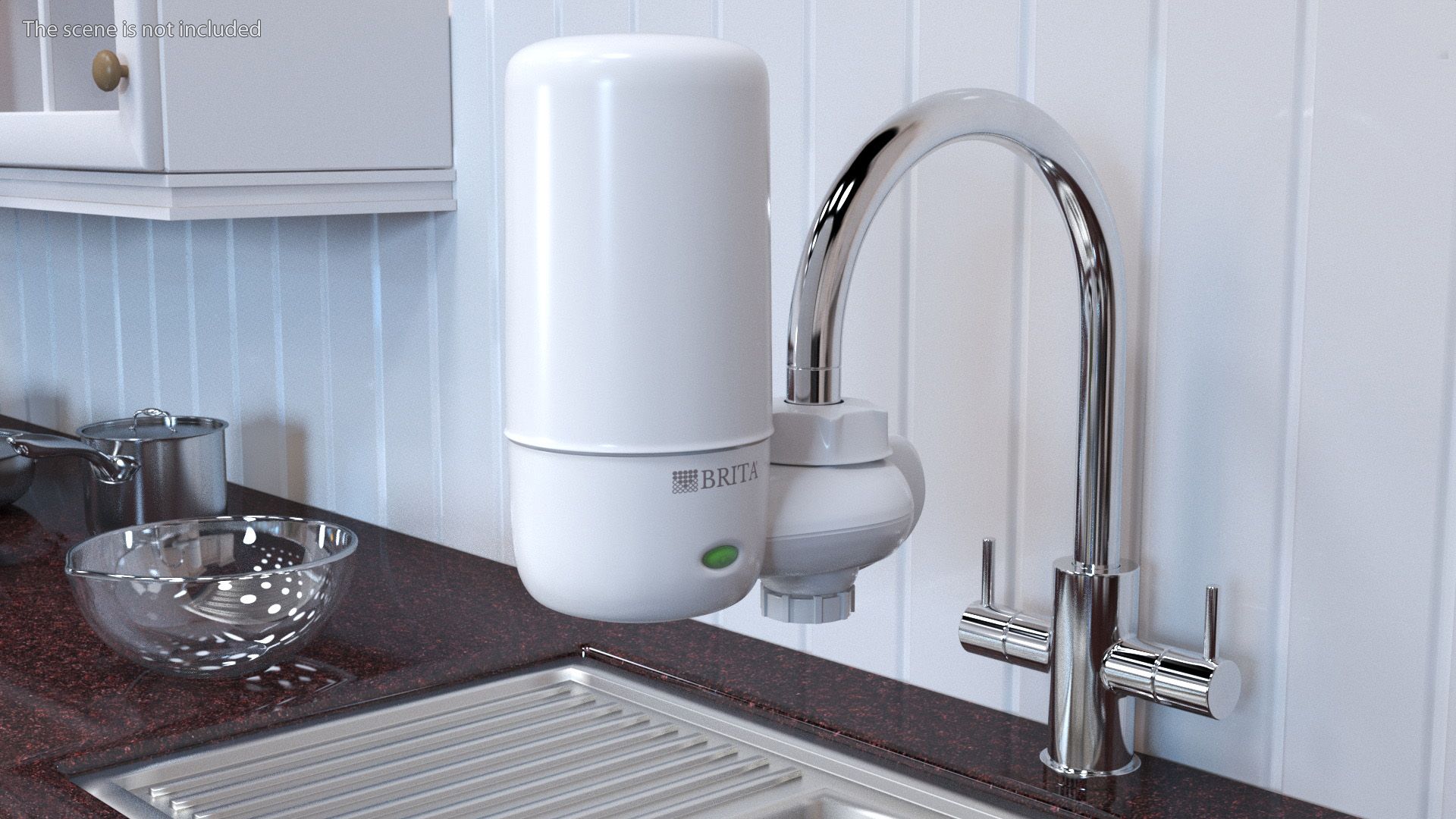
So, what faucet-mounted filters are good/bad for?
To be fair, this category isn’t useless. It just has limits.
✅ Faucet-mounted filters are good at:
- Improving taste and odor
- Reducing chlorine
- Catching sediment and some heavy metals
- Offering a cheap, low-commitment upgrade
They’re convenient, affordable, and easy to install. For many households, that’s enough.
⚠️ Faucet-mounted filters are not good at:
- Removing fluoride
- Handling dissolved minerals
- Providing deep or long-term contaminant reduction
If fluoride reduction is non-negotiable for you, this category will almost always disappoint.
Where faucet filters actually fit
If you’re trying to figure out which filtration methods actually reduce fluoride, and which ones just claim to, this is where it helps to zoom out.
Some filter types are simply better suited to fluoride removal than others. We break those down in detail here:
Water Filters That Remove Fluoride: What Actually Works (2026)
Think of faucet-mounted filters as a quality-of-life upgrade, not a targeted solution. They make water nicer to drink, but they don’t fundamentally change what’s dissolved in it.