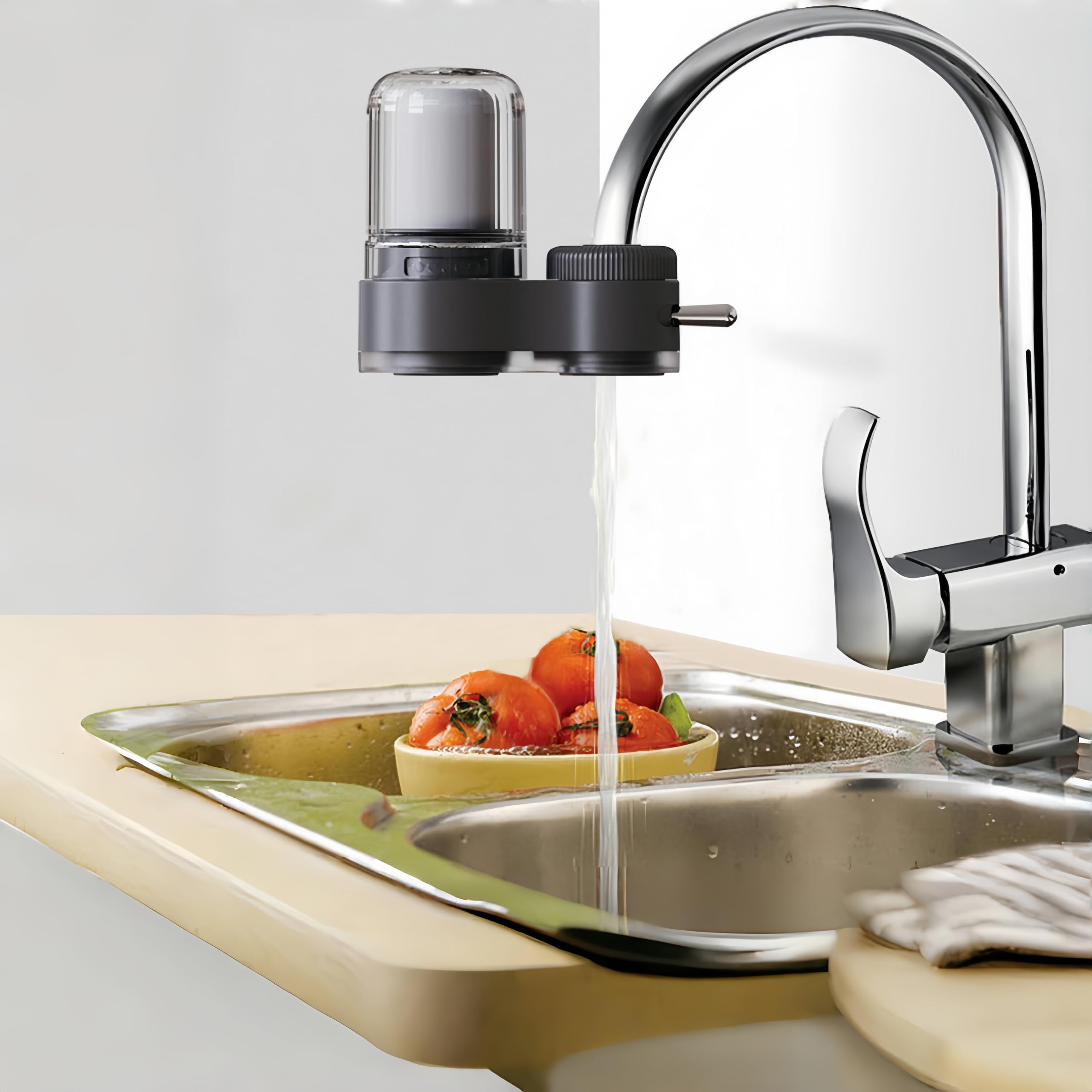
People shopping for simple water upgrades often assume the answer is yes, but do faucet water filters remove PFAS in any meaningful way, or are they mostly solving for taste and chlorine? The answer sits somewhere in between, and it depends less on the brand name than on how these filters are designed, tested, and used day to day.
That same assumption comes up a lot with pitcher filters too, especially Brita, which is why we looked directly at Do Brita Filters Remove PFAS? Check it out before you buy one.
What Faucet Water Filters Are Actually Designed to Do
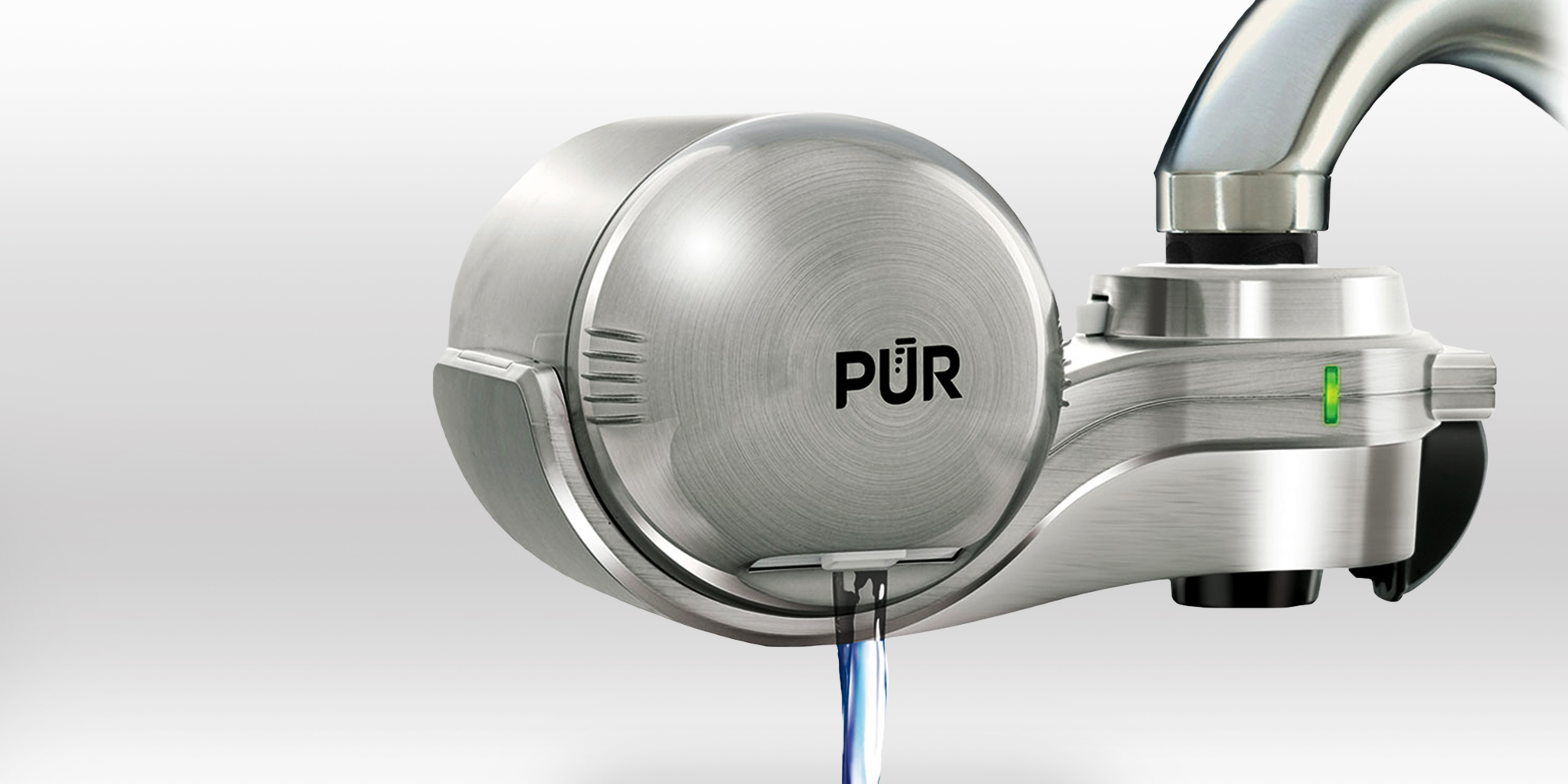
Faucet water filters attach directly to a standard kitchen tap and filter water only when you divert the flow through them. Inside, most rely on activated carbon, a porous material that traps certain substances as water passes through.
In everyday use, faucet-mounted filters are primarily designed to:
- Reduce chlorine taste and odor.
- Improve overall water flavor.
- Catch sediment and fine particles.
- Reduce lead, if the filter is certified to do so.
They’re built for convenience and quick improvement, not deep or universal contaminant removal. Their small cartridges and fast flow rates limit how much contact time water has with the filtering material, a detail that becomes important when discussing PFAS.
Do Faucet Water Filters Remove PFAS?
In most cases, no. In a smaller number of cases, partially.
PFAS (per- and polyfluoroalkyl substances) are a large group of synthetic chemicals that behave differently from chlorine or sediment. Some forms of activated carbon can reduce certain PFAS compounds, but only when the filter is specifically designed, tested, and certified for that purpose.
Most faucet water filters:
- Do not claim PFAS removal.
- Are not certified for PFAS reduction.
- Focus on taste and basic contaminants.
A limited number of faucet-mounted PFAS water filters are certified under NSF/ANSI 53, typically for reducing specific compounds like PFOA and PFOS. These models are the exception, not the standard (continue reading to see our recommended product).
If a faucet water filter does not clearly list PFAS, PFOA, or PFOS reduction under an independent certification, there’s no reliable evidence that it removes PFAS.
That’s one reason many people looking for higher certainty end up moving away from faucet filters altogether and toward under-sink systems, which we examine in detail when looking at which PFAS water filters actually work.
What “PFAS Reduction” Really Means With Faucet Filters
Here’s the hard truth; even when a faucet water filter is certified for PFAS, the scope is narrow.
Certification usually applies to:
- Only one or two PFAS compounds.
- A defined number of gallons.
- Proper filter replacement intervals.
Because faucet filters are small, they saturate faster than larger under-sink systems. Once the filter media is exhausted, PFAS reduction drops, often without any obvious sign to the user.
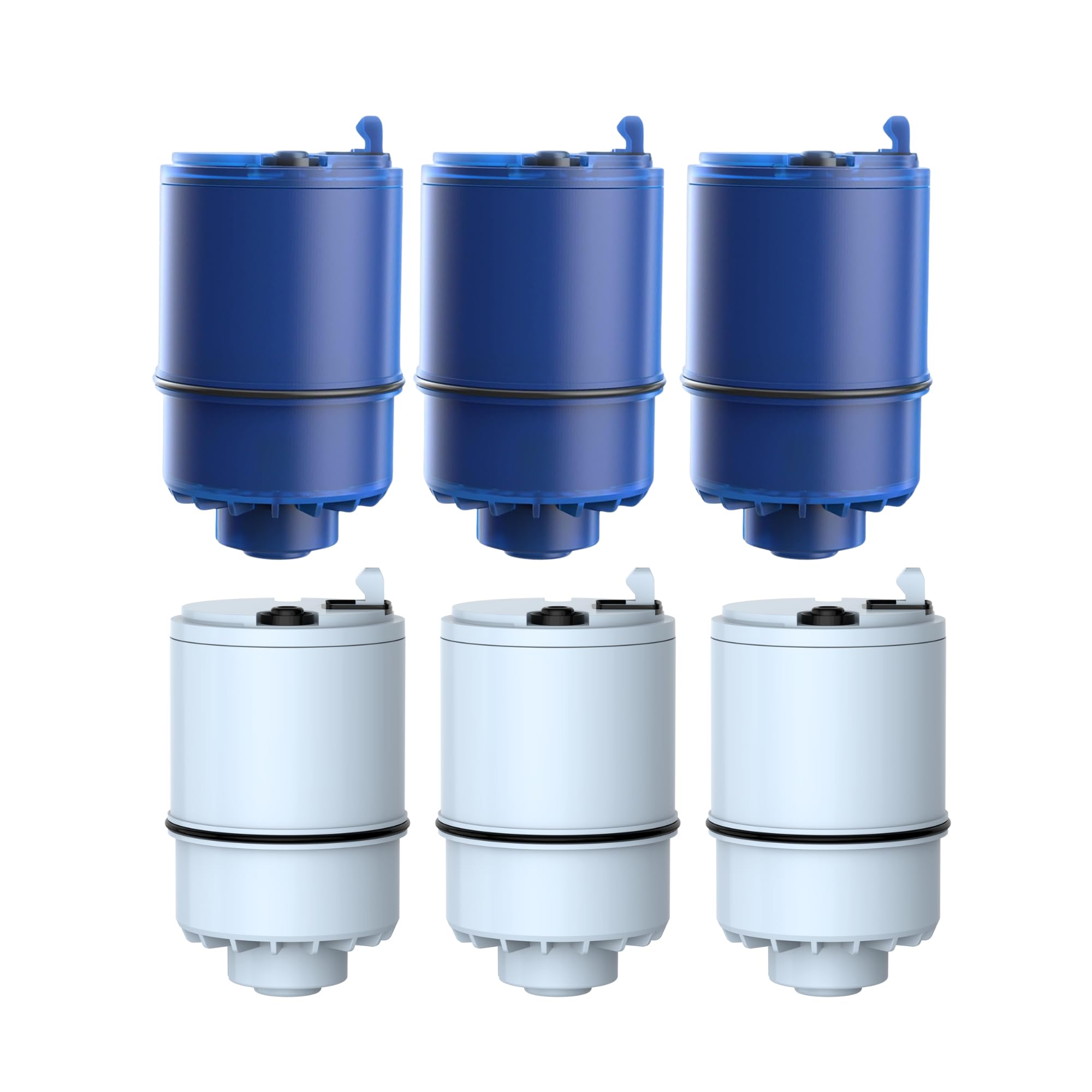
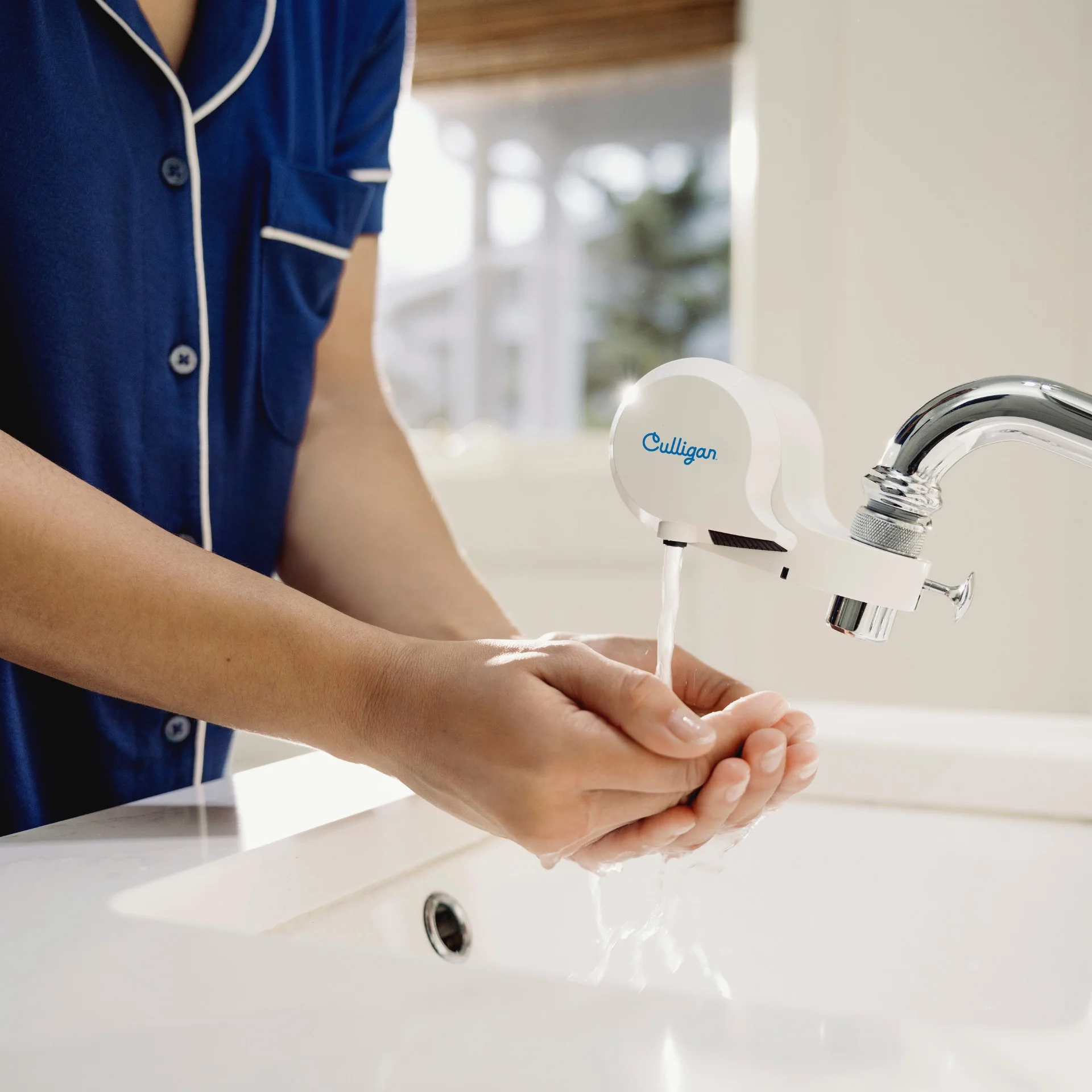
If you specifically want a faucet-mounted filter with verified PFAS reduction, Culligan’s CULFMWH is the only model with solid third-party backing. It’s certified to NSF/ANSI 53 and WQA standards for reducing PFOA and PFOS (over 98%), using the CULFMF01 replacement cartridge (also sold as CRFM-001).
Best recommendation
If you specifically want a faucet-mounted filter with verified PFAS reduction, Culligan’s CULFMWH is the only model with solid third-party backing. It’s certified to NSF/ANSI 53 and WQA standards for reducing PFOA and PFOS (over 98%), using the CULFMF01 replacement cartridge (also sold as CRFM-001).
In practice, PFAS removal with faucet-mounted filters is possible, but limited and highly dependent on maintenance.
If PFAS removal isn’t clearly documented in certified testing, it shouldn’t be assumed.
Do Faucet Water Filters Remove Fluoride?
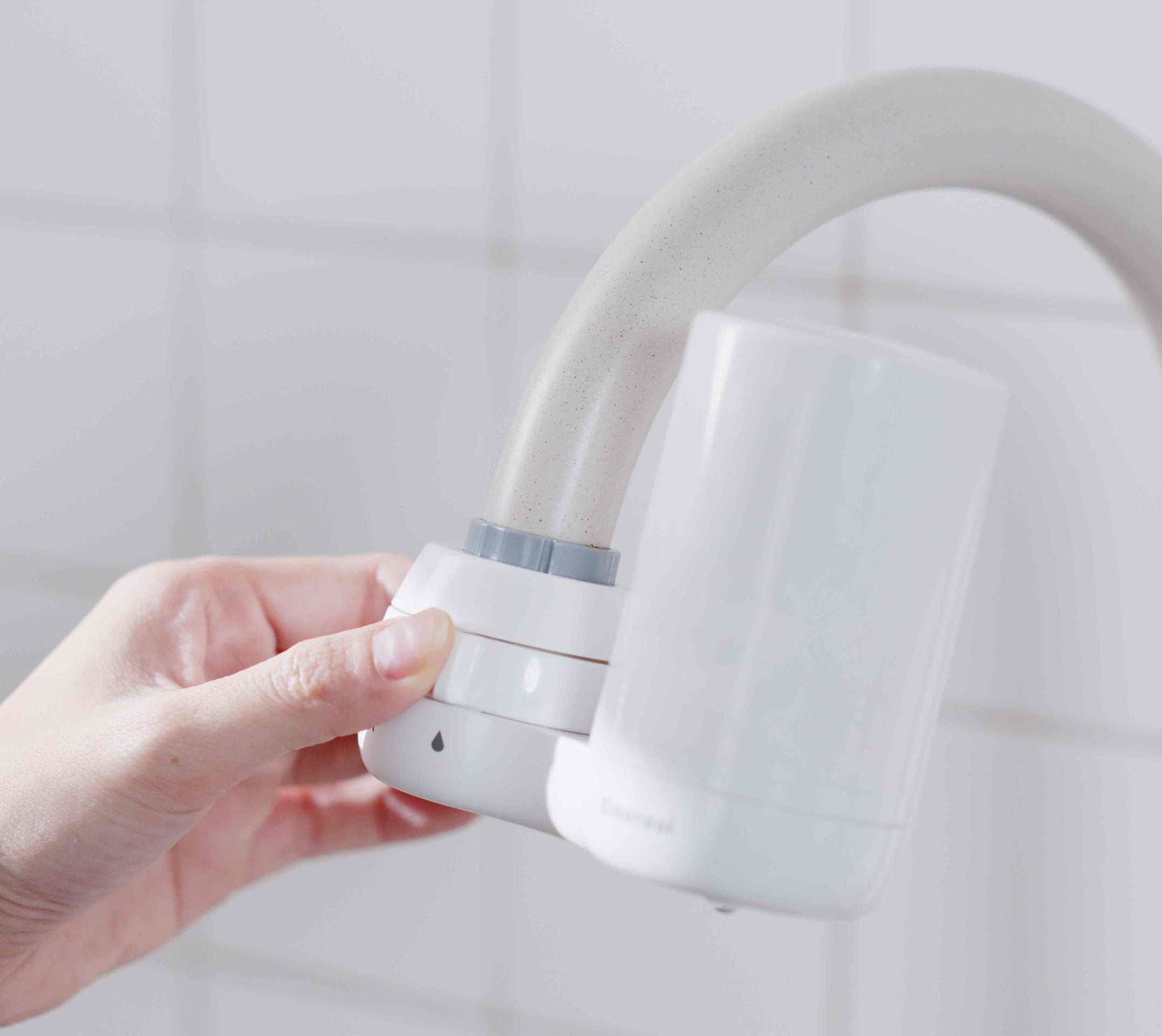
This question comes up frequently, so it’s worth addressing directly.
Faucet water filters do not remove fluoride in any reliable or meaningful way.
Fluoride is a dissolved mineral that requires filtration methods like reverse osmosis or activated alumina. Faucet-mounted filters don’t use these technologies and are not certified for fluoride removal. Yes, improved taste can create the impression of cleaner water, but fluoride levels typically remain unchanged.
Need more answers on this topic? Check out our guide:
Do Faucet-Mounted Water Filters Actually Remove Fluoride?
Water Filters That Remove Fluoride: What Actually Works (2026)
What Real Users Notice After Living With Faucet Filters
Spend a little time reading Amazon reviews or scrolling through Reddit threads, and a clear picture starts to form of what it’s actually like to live with a faucet-mounted water filter day to day.
Most people aren’t buying these systems to chase lab-level purity, they’re mainly looking for a simple, affordable upgrade, and in that sense, faucet filters usually deliver.
Users consistently appreciate how easy these filters are to install, often taking just a few minutes with no tools. Many report noticeably better-tasting water, especially if chlorine or metallic flavors were an issue before. The low upfront cost is another common win, particularly for renters or anyone who doesn’t want to modify plumbing.
That said, the complaints are just as consistent.
Reduced water flow comes up frequently, especially as filters age. Some users report leaks at the faucet connection, often tied to worn gaskets or incompatible faucet threads. Plastic housings can feel flimsy over time, and replacement filters (while cheaper than larger systems) add up faster than people expect.
One important pattern stands out: most users judge “performance” by taste and convenience, not by whether PFAS or other contaminants are actually being removed.
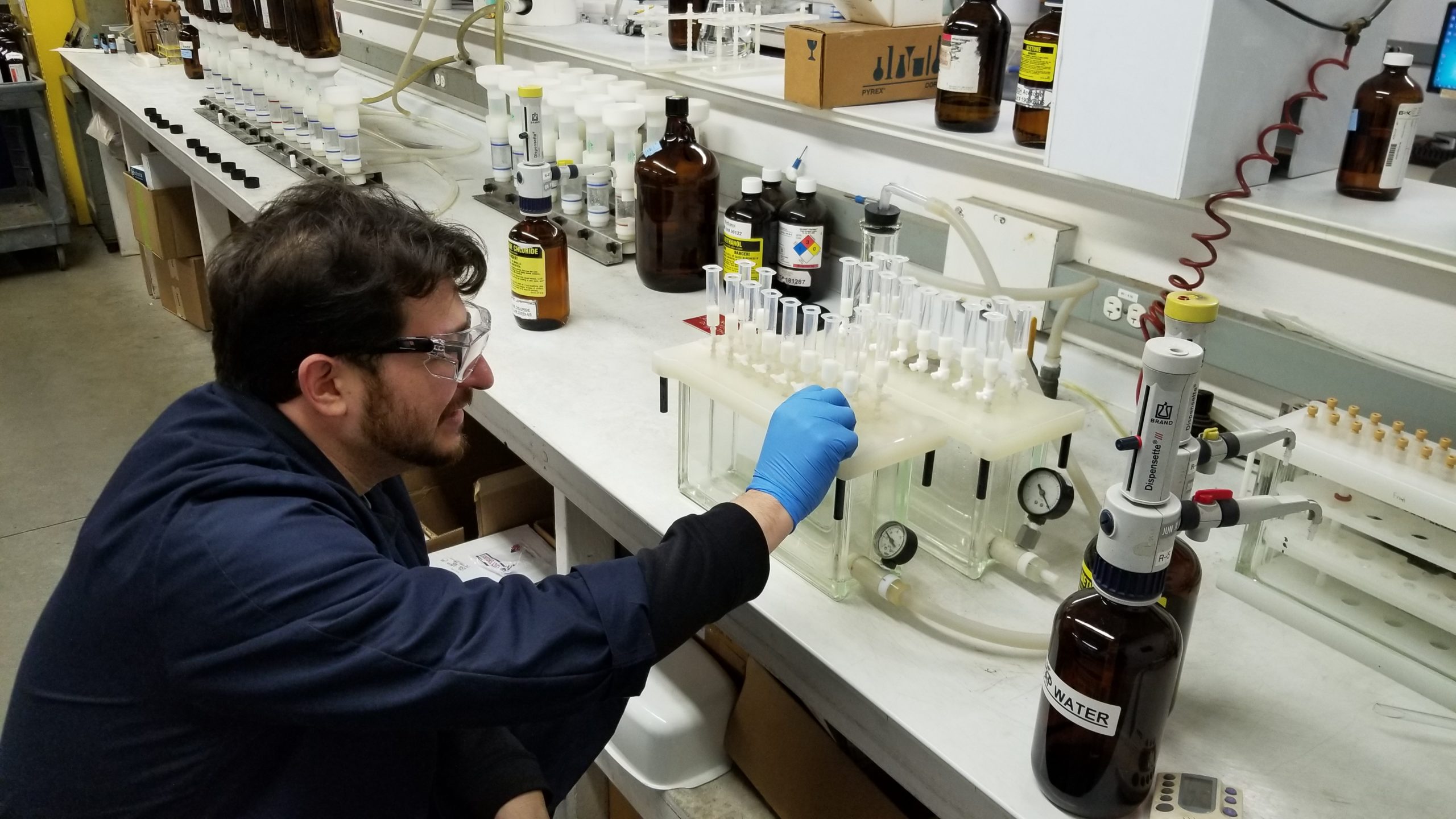
You’ll often see mentions of people “testing” their water after installing a faucet filter. But in practice, common at-home tools don’t tell you much about PFAS. Test strips don’t measure PFAS at all. TDS meters only show total dissolved solids, not specific chemicals. And changes in taste or clarity don’t indicate PFAS reduction either.
The only reliable way to confirm PFAS removal is through certified lab testing, which very few households pursue. As a result, user claims about PFAS reduction should be read as personal impressions—not proof.
In short, real-world experience lines up with what the certifications suggest: faucet filters can improve taste and convenience, but when it comes to PFAS, only independently certified models, and proper testing, tell the full story.
For readers who already know PFAS is a concern and want to compare higher-capacity options, check out our comparison guide for best under-sink filters designed to remove PFAS.