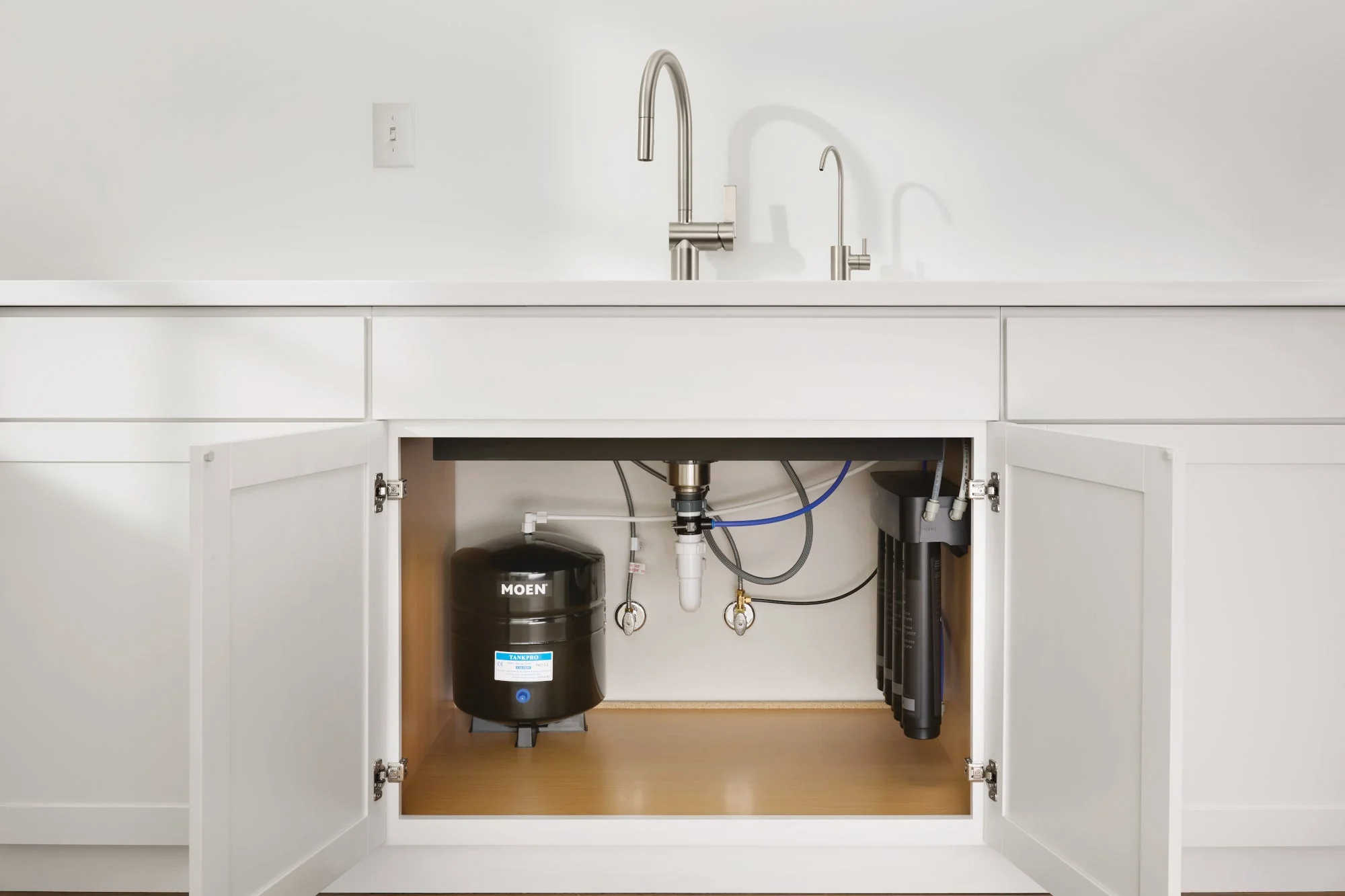
We’re going to compare the top 5 under-sink PFAS water filters in 2026, are they trully certified for PFAS removal, their expected flow and what are they best for.
For those unfamiliar, PFAS, often called “forever chemicals” show up in more U.S. water supplies than most people realize, this map highlights reported PFAS detections across the U.S.
Once people see that, the next question is usually whether common filters they already recognize actually help at all, including pitchers like Brita. We break that specific case down in Do Brita Filters Remove PFAS?
We’ve also looked at wether faucet-mounted filters can handle contaminants like PFAS and fluoride.
If you’ve already looked into water filters and realized pitchers or faucet filters aren’t enough, under-sink systems are usually the next step. But be aware that premium RO systems such as Delta’s Clarifi are loud and expensive once accessories are factored in, our detailed guide explains why.
We’ll compare 5 popular under-sink PFAS water filters, focusing on what’s actually verified, how they perform day to day, and which type of household each one makes sense for.
This is for people who want cleaner drinking water without installing a full reverse-osmosis system.
Filter | PFAS Status | Flow | Filter life | Best for |
|---|---|---|---|---|
P473 certified | Medium | ~6 mo | Most homes | |
Not certified | High | ~12 mo | High-use kitchens | |
Not certified | Low-Medium | ~12 mo | Taste-first users | |
Lab tested | Low-Medium | ~6 – 9 mo | Broad removal | |
SGS tested | High | ~ 6 – 12 mo | Budget option |
Aquasana AQ-5200
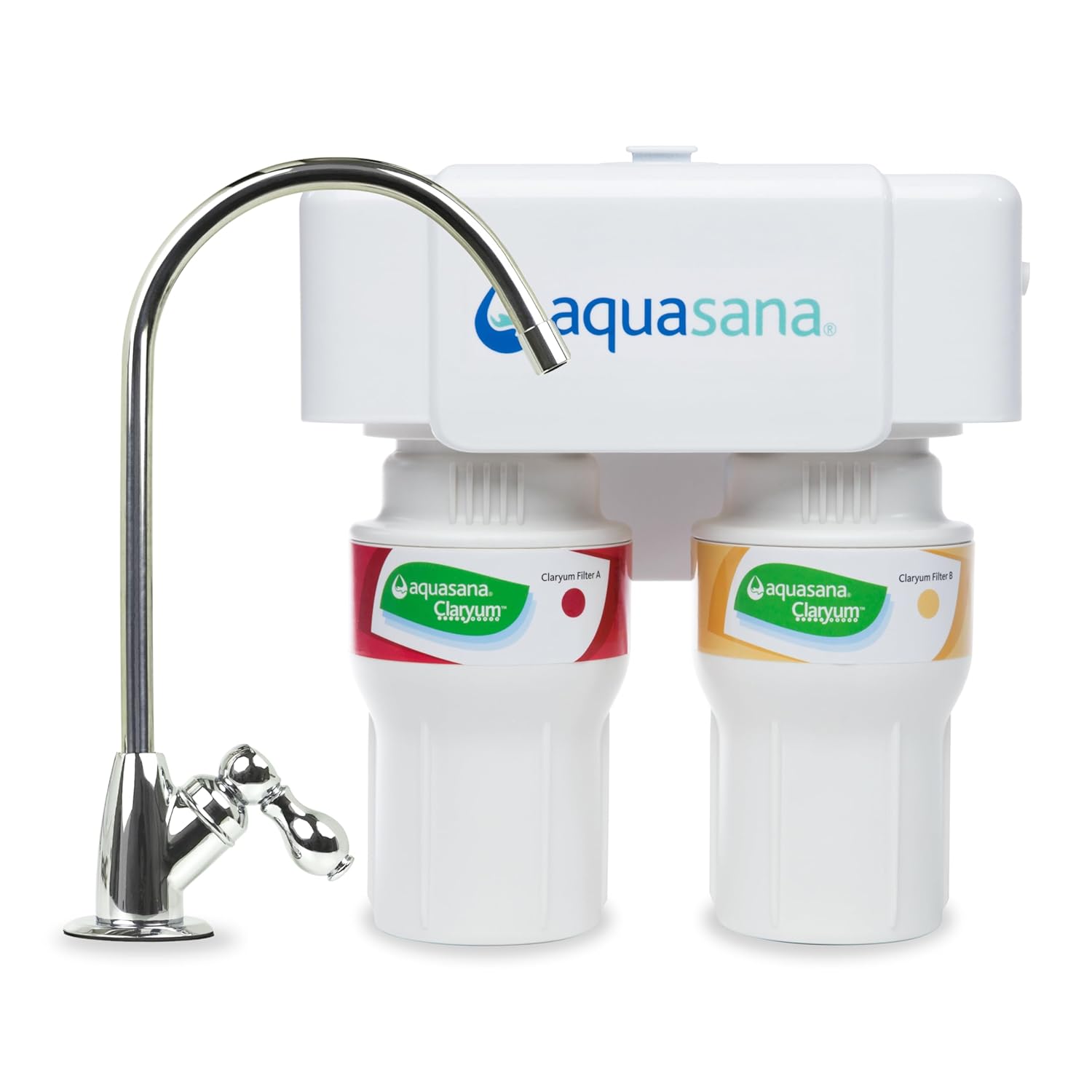
Aquasana’s Claryum under-sink systems (AQ-5200 and AQ-5300) are one of the few options fully certified to NSF/ANSI P473, which specifically tests for PFAS like PFOA and PFOS at today’s stricter standards.
It’s a non-RO system, so it keeps minerals in your water and doesn’t waste water. Flow rate is solid for daily use, and replacement filters are easy to find.
Good fit if
- You want verified PFAS removal, not just marketing claims.
- You want an under-sink filter that removes PFAS without reverse osmosis.
- You value certification over maximum water flow.
Not a good fit if
- You want the cheapest possible system
- You need very high flow for filling large pots quickly
Common complaints
- Replacement filters aren’t cheap
- Installation can be tight in smaller cabinets
Our top pick
This is the choice if you want strong PFAS removal without overthinking it. It’s well-tested, reliable, and built for everyday use. It costs more than budget systems, but you’re paying for verified performance and fewer compromises.
3M Aqua-Pure Under Sink System
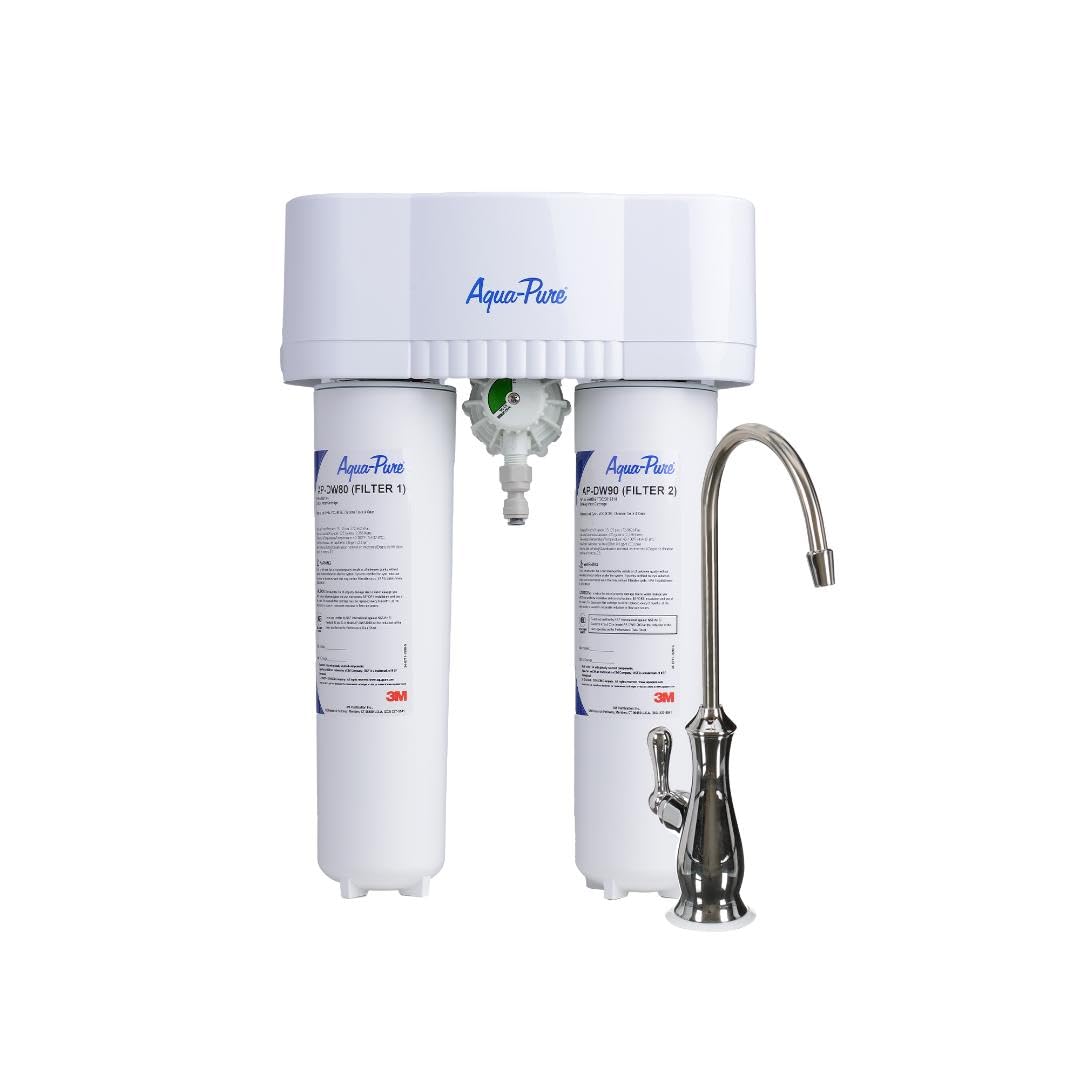
3M’s under-sink systems are built more like commercial filters, they’ve got high flow, durable housings, long filter life. They’re officially certified for things like chlorine and lead, but not PFAS under NSF P473.
Some users still choose these hoping for partial PFAS reduction, but as of writing this, there’s no third-party PFAS certification to back that up.
Good fit if
- Flow rate matters more than PFAS removal.
- You want a long-lasting, industrial-style filter.
Not a good fit if
- PFAS is your main concern.
- You want clear testing specifically for forever chemicals.
Common complaints
- Expensive upfront.
- Confusing documentation and installation for home users.
High-flow but low-certainty
This system prioritizes speed and durability over targeted PFAS removal. It’s solid and long-lasting, but it’s better at making water cleaner overall than proving it tackles forever chemicals specifically.
Multipure Aquaversa (MP750SB)
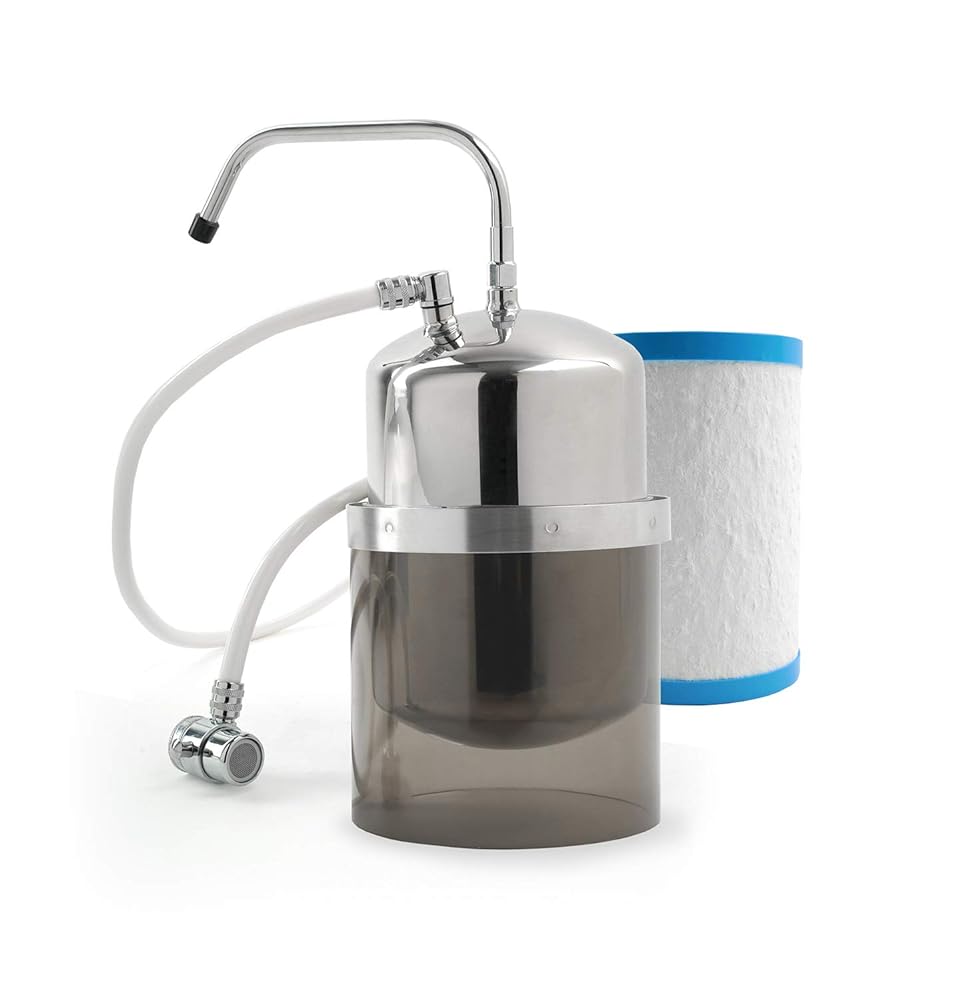
Overall, Multipure brand has a strong reputation for solid carbon block filtration and good water taste. The Aquaversa system is well-built and quiet, with a simple design.
However, it is not certified or clearly tested for PFAS reduction. Multipure does test other models for PFAS, but Aquaversa itself doesn’t have verified PFAS data.
Good fit if
- Taste and build quality matter most.
- You want a simple, durable under-sink filter.
Not a good fit if
- You’re specifically trying to remove PFAS.
- You want clear third-party testing.
Common complaints
- High price.
- Slower flow than newer systems.
A minimal, taste-first option
If you’re about improving how water feels and tastes, not chasing certifications, then this simple, well-built, and easy to live with filter is perfect, just don’t expect strong evidence around PFAS reduction.
Clearly Filtered 3-Stage Under Sink
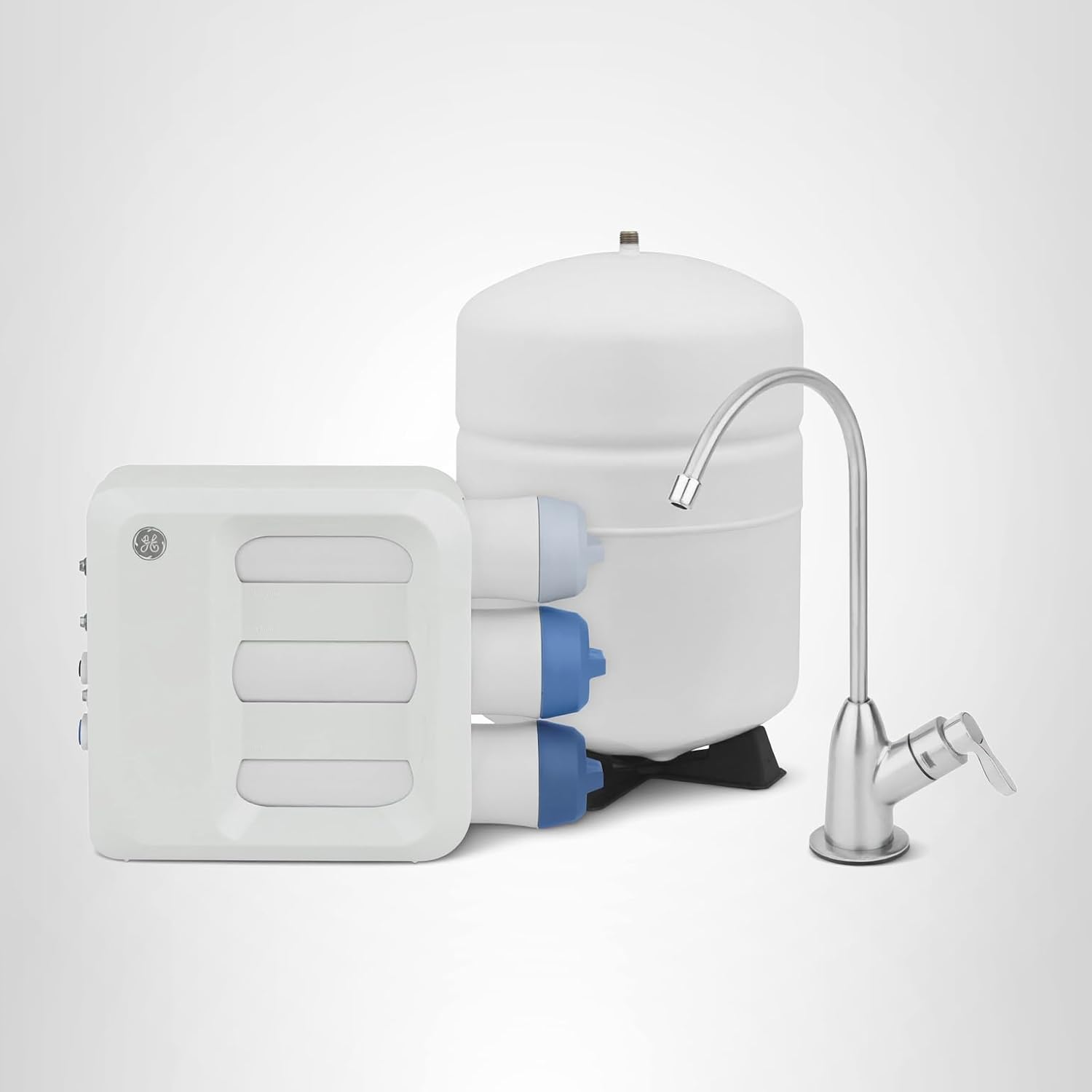
The GE Clearly Filtered publishes extensive independent lab results showing PFAS reduction across a wide range of compounds. That transparency is a plus.
The tradeoff is flow rate. Many users report slower water output, especially over time. It’s also one of the more expensive under-sink systems.
Good fit if
- You want a wide-spectrum water filter, not just PFAS.
- You’re okay with slower flow.
Not a good fit if
- You fill pots or bottles frequently.
- You want NSF P473 certification specifically.
Common complaints
- Flow rate drops as filters age.
- Replacement filters are expensive.
The wide-net option
This filter aims to reduce as many contaminants as possible and backs that up with lab data. The trade-off is slower flow and higher upkeep, so it suits people who value thoroughness over convenience.
iSpring US31-PF
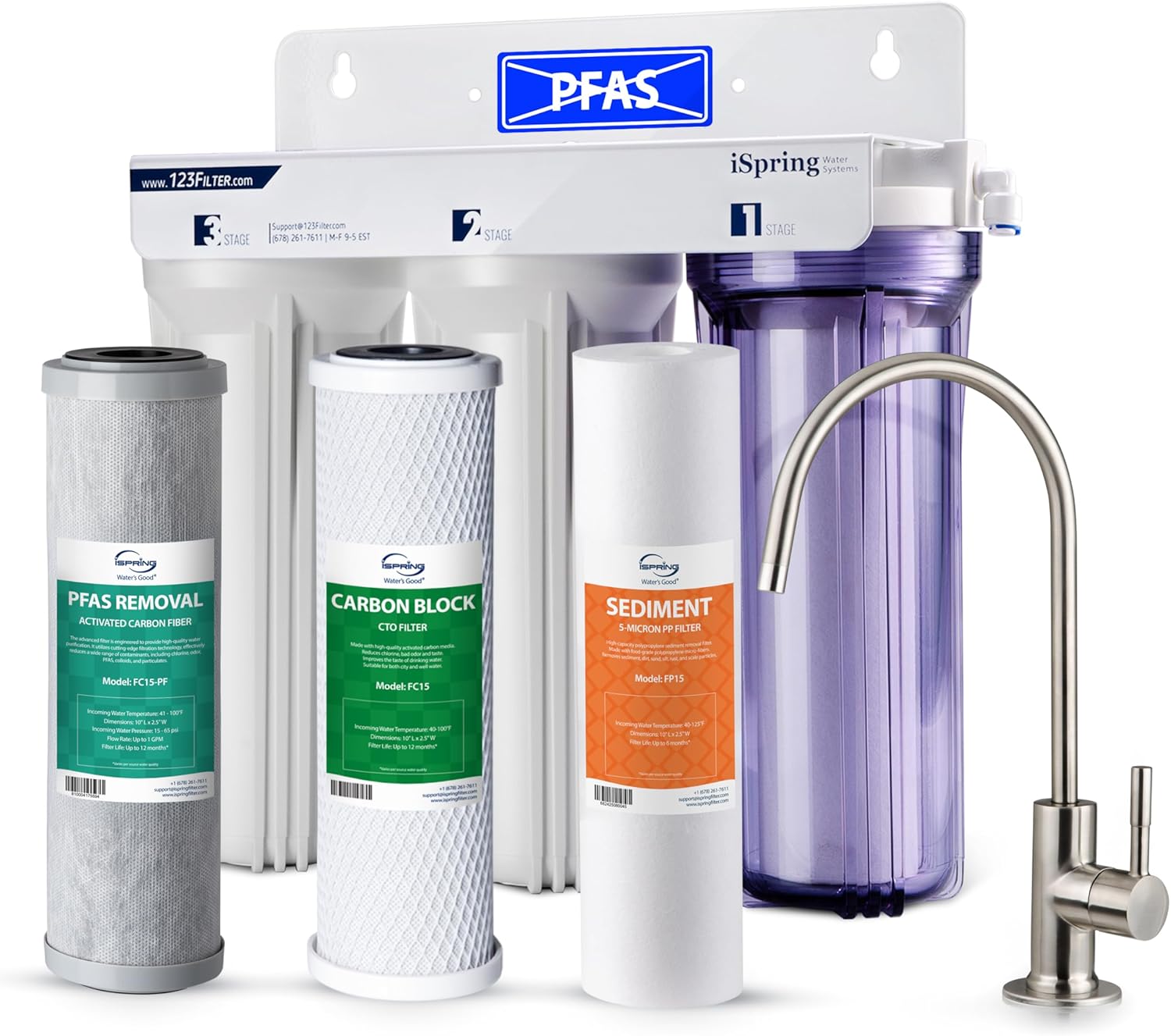
The iSpring US31-PF is one of the more affordable under-sink filters that has independent lab testing (SGS) showing PFAS reduction. It’s not NSF P473 certified, but the testing is real and published.
Flow rate is strong, up to 1 GPM, which makes it easier to live with day to day.
Good fit if
- You want PFAS reduction at a lower price.
- You care about flow rate.
- You don’t need full certification.
Not a good fit if
- You want the strongest possible PFAS validation.
- You prefer longer filter life.
Common complaints
- More frequent filter changes.
- Not certified under NSF P473.
Low commitment setup
This is an easy upgrade that installs quickly and doesn’t ask much from you day to day. It’s affordable and practical, but it’s more about making water better than chasing absolute certainty.
How to pick the best under-sink PFAS water filter
If you want to keep this as simple as possible:
- Look for P473 certification if PFAS is your top concern.
- Avoid vague claims like “reduces contaminants” without data.
- Decide whether you want non-RO (keeps minerals) or RO.
- Flow rate matters more than most people expect.
For most households, a certified under-sink carbon system strikes the best balance between performance, cost, and ease of use.
If you want a no-nonsense under-sink water filter that actually removes PFAS, Aquasana’s AQ-5200/AQ-5300 remains the safest pick.
If you’re on a tighter budget, the iSpring US31-PF is a reasonable compromise, just know what you’re trading off.
Wanna remove fluoride from your water? Check out our top picks for water filters that actually remove fluoride.