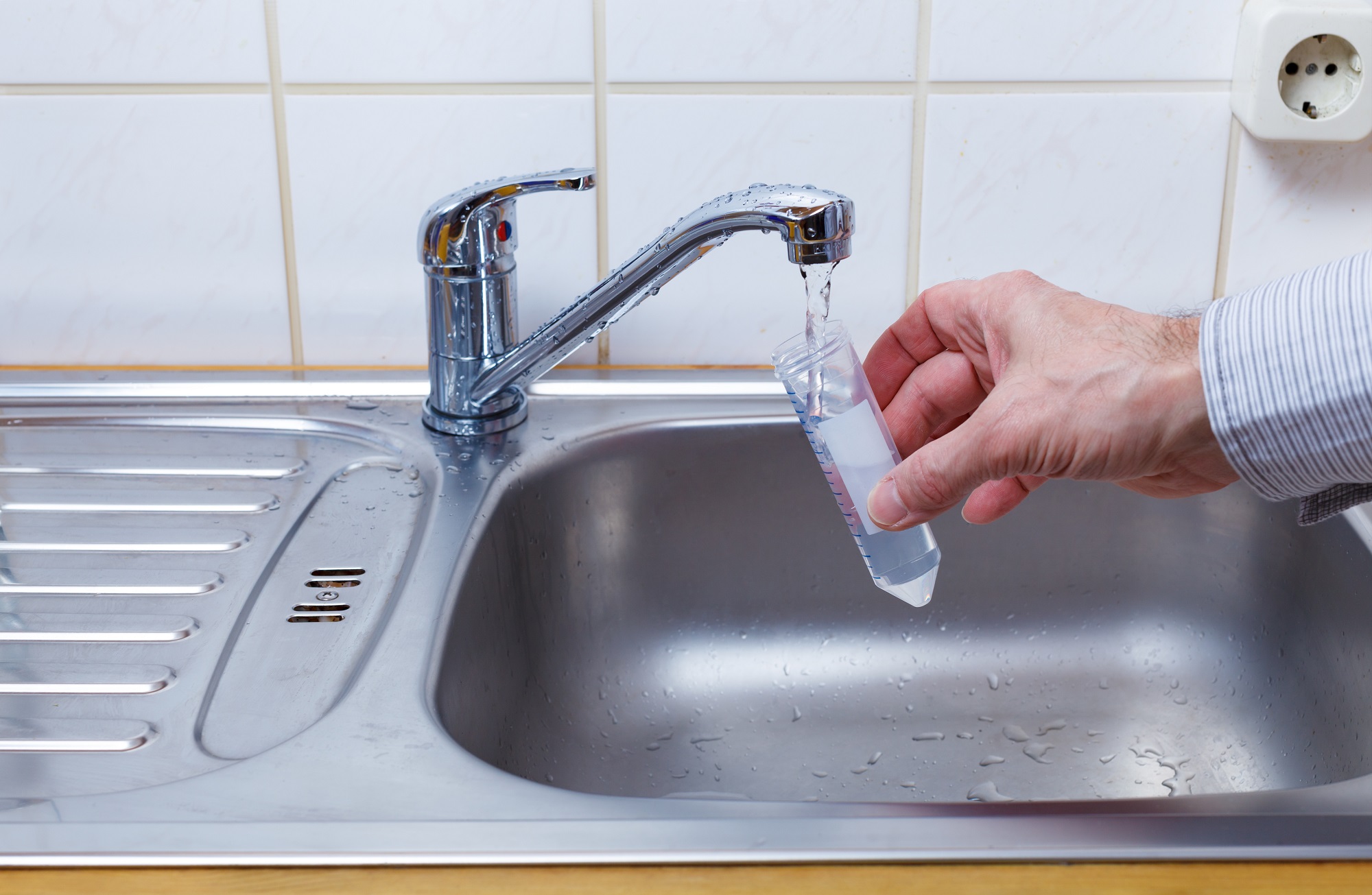
Looking for the best home water testing kit for PFAS? Whether you’re worried about forever chemicals or just want a reliable fluoride test kit, you’ve come to the right place. Below is everything you need to know, from why testing matters to which kits deliver the goods and how to understand your results.
Why Test for PFAS and Fluoride?
PFAS (per‑ and polyfluoroalkyl substances) are man-made chemicals that linger in the environment, building up in soil, water, and even our bodies. They’ve been linked to thyroid disease, immune issues, and higher cancer risk. Regulators now warn that just 4 parts per trillion (ppt) of PFAS like PFOA/PFOS is considered unsafe, a tiny amount which is why complianc-grade testing is so important.
Fluoride, on the other hand, occurs naturally and can help strengthen teeth in small doses. But too much can contribute to dental and skeletal problems. Testing helps ensure you’re in the balanced zone; enough to be beneficial, not enough to be harmful.
Who Should Test?
PFAS contamination isn’t limited to one type of water system. Testing makes sense if you:
- Use city water in areas with older pipes or known PFAS contamination.
- Drink from a private well near farmland, landfills, or industrial zones.
- Live near airports, military bases, or fire stations that may have used firefighting foam.
- Have children or are pregnant, since PFAS can impact development.
- Live in states enforcing strict PFAS rules (<4 ppt).
And even if none of these apply, testing once provides peace of mind and a baseline for future comparisons. This map shows the PFAS contamination across the country.
Types of Water Test Kits
Before choosing a kit, consider how it works and what it measures:
- Test Strips: Quick and easy, these strips change colour based on contaminant levels. They’re great for basic screenings but may miss trace contaminants.
- Liquid Reagent Kits: You add drops to your sample and compare the colour to a chart. More accurate than strips, but still limited.
- Lab Mail‑In Kits: The gold standard for PFAS and fluoride testing. Collect your sample at home, mail it in, and receive lab-certified results. These kits are the only practical way to detect PFAS at parts-per-trillion levels.
Let’s find the best home water testing kit for PFAS
Pen Test KIT All in ONE
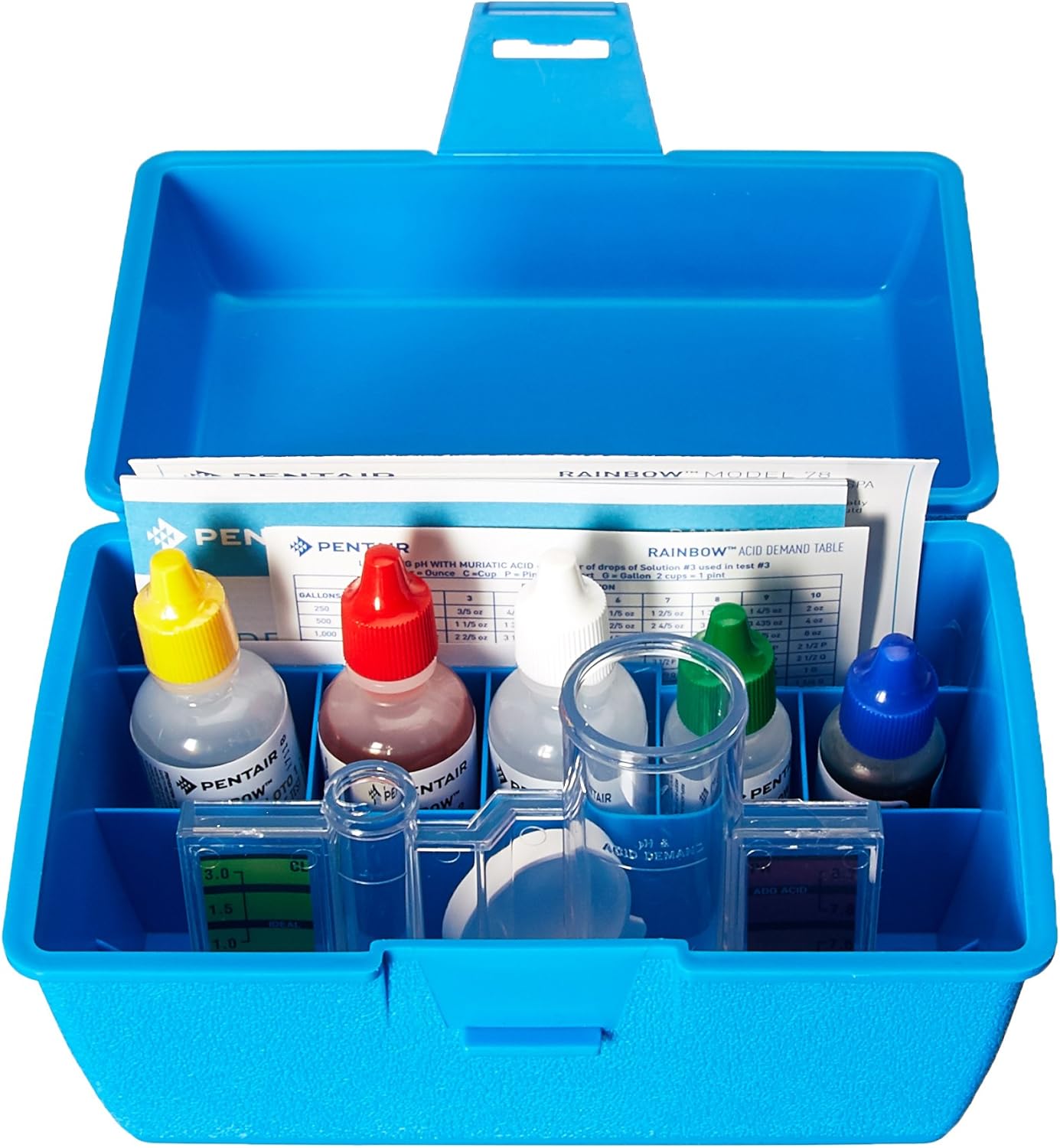
If you just want a fast look at your water chemistry, test strips can be useful, as long as you understand their limits.
A top recommendation is the Pentair 4 in 1 test kit, which checks free chlorine, total chlorine, pH, alkalinity, and hardness in seconds. It’s inexpensive, easy to use, and helpful for spotting obvious issues like over-chlorination or extreme pH swings.
What it doesn’t do is test for PFAS or reliably measure fluoride at drinking-water levels. For contaminants measured in parts-per-trillion or parts-per-million, strip tests simply aren’t sensitive enough.
Think of kits like this as a first glance, not a diagnosis. They’re fine for curiosity or routine checks, but if you’re serious about PFAS or fluoride, you’ll still need a lab-based home water testing kit, which I cover next.
Cyclopure PFAS Water Test Kit
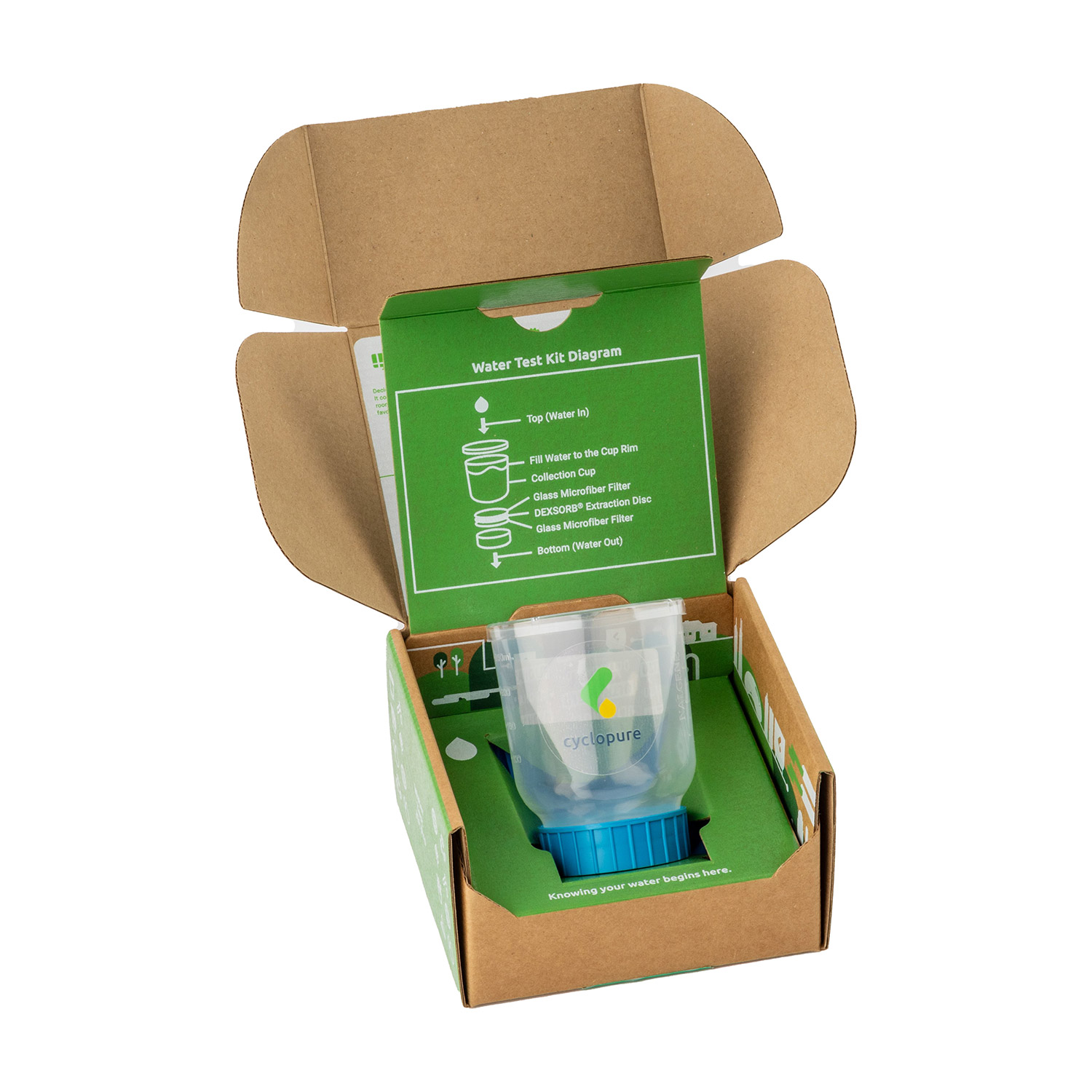
What makes it special:
Cyclopure’s kit uses a DEXSORB extraction disc; you pour water through a special cup, trapping PFAS on a disk you send to the lab. It screens for 55 PFAS, including GenX, down to 1 ppt
Sample‑Taking Tips:
- Follow the instructions to pour a precise volume through the cup. It’s a bit fiddly but ensures accurate results.
- Mail the disc back promptly, shipping is prepaid.
Value & Who Should Use It:
Cyclopure is perfect for budget-conscious folks who want a snapshot of PFAS. At $85, it offers peace of mind without breaking the bank. Just remember, it doesn’t test for fluoride or metals, so you’ll need a separate fluoride test kit for that.
Tap Score PFAS Water Test (EPA 1633)
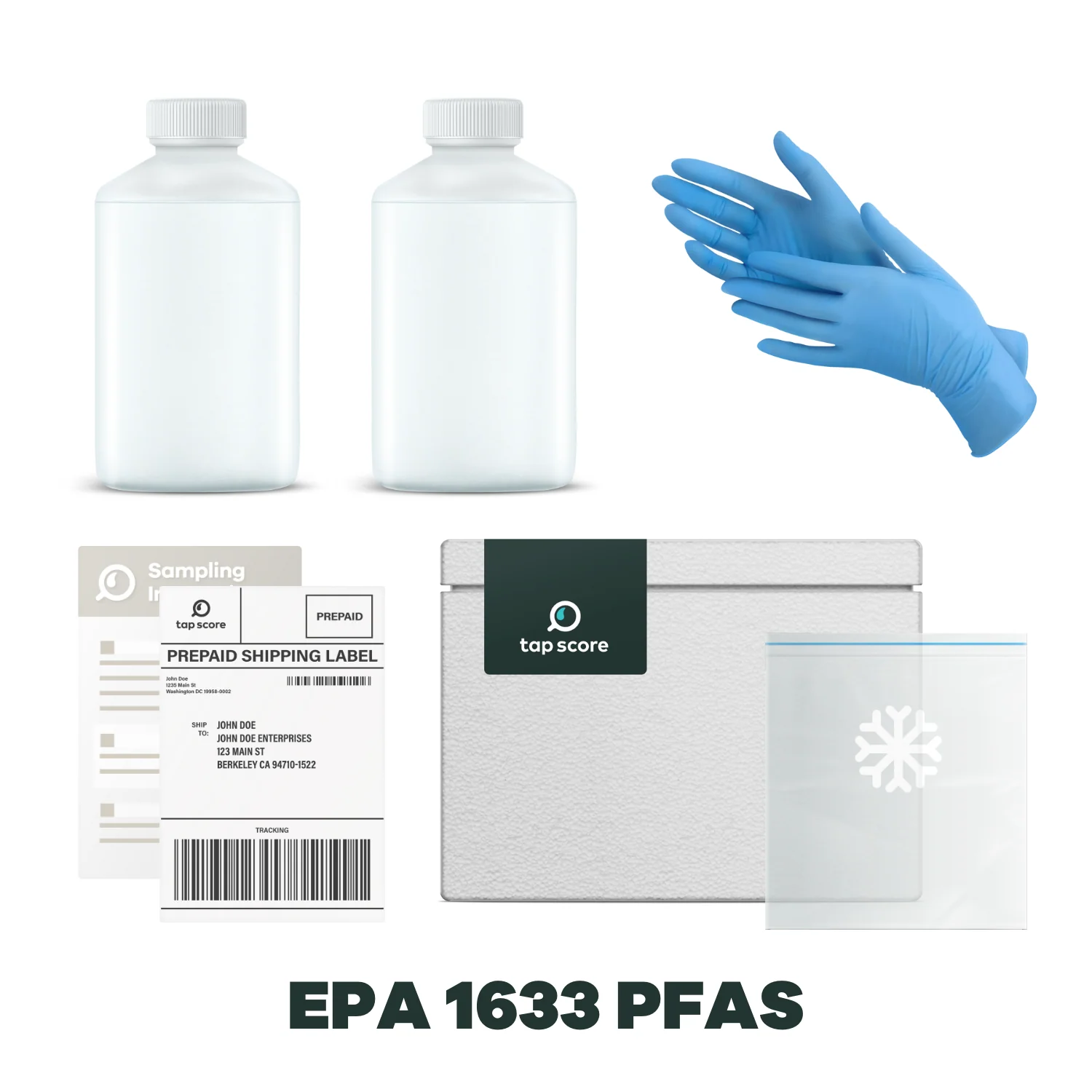
What makes it special:
This kit uses EPA Method 1633, detecting 40 PFAS compounds at ultra-low levels. It’s pricier at $835, but you get a comprehensive report with health context and treatment recommendations.
Step‑by‑Step Sampling:
- Unboxing: You’ll find pre‑labeled bottles, gloves, an ice pack, and a prepaid return label.
- Collecting: Fill the bottles, seal them with the sample card, and keep them cool.
- Shipping: Drop the kit off early in the week (Monday–Tuesday). Shipping later can delay processing.
- Track Your Sample: You’ll get confirmation emails as the lab receives and processes your sample.
Understanding Your Results
- Non‑detect (ND): PFAS were below the lab’s reporting limit. ND doesn’t mean zero; it just means levels are below what the lab can measure.
- Positive detection: The report names the compound, its concentration, and whether it exceeds EPA or state advisories.
- Actionable guidance: Tap Score suggests treatment options, like carbon filters or reverse osmosis, if contaminants are found.
Cost vs. Peace of Mind
Think of it as an investment: $0.82/day over a year for verified PFAS data. That’s cheaper than buying bottled water. If you live near industrial sites, airports, or in states with strict PFAS rules (<4 ppt), this kit offers defensible results.
Making Sense of Your Results
Testing is only useful if you understand what the numbers mean. Here’s a quick guide:
- ND (Not Detected): Below the lab’s detection limit. Regulators consider ND safe.
- Parts Per Trillion (ppt): PFAS is often measured in ppt. The EPA’s health advisory is 4 ppt, so anything above that deserves attention.
- Parts Per Million (ppm): Fluoride is usually measured in ppm. A typical optimal range for drinking water is 0.7 ppm.
When your report flags a contaminant, follow any included treatment suggestions. For PFAS, options include activated carbon or reverse osmosis filters. However, before you commit to an under‑sink RO system, read our guide regarding Delta’s Clarifi unit to understand why some RO systems can be noisy and far more expensive than advertised. For fluoride, look for water filter systems specifically certified to remove fluoride.
Keep in mind that there’s no one‑size‑fits‑all home water testing kit for PFAS that also measures fluoride. You’ll likely need two kits.
Go for Cyclopure if you want an affordable PFAS screen, Tap Score if you need compliance‑grade certainty, and Pentair’s kit if you’re primarily concerned with fluoride and basic mineral levels.
Before you buy a home water testing tit for PFAS, understand your results and take action, choose a water filter system that removes fluoride or a PFAS filter if levels are elevated.
Testing empowers you. With accurate data and the right testing kit, you’ll know exactly what’s coming out of your tap and what to do about it. Cheers to clean, safe water!