
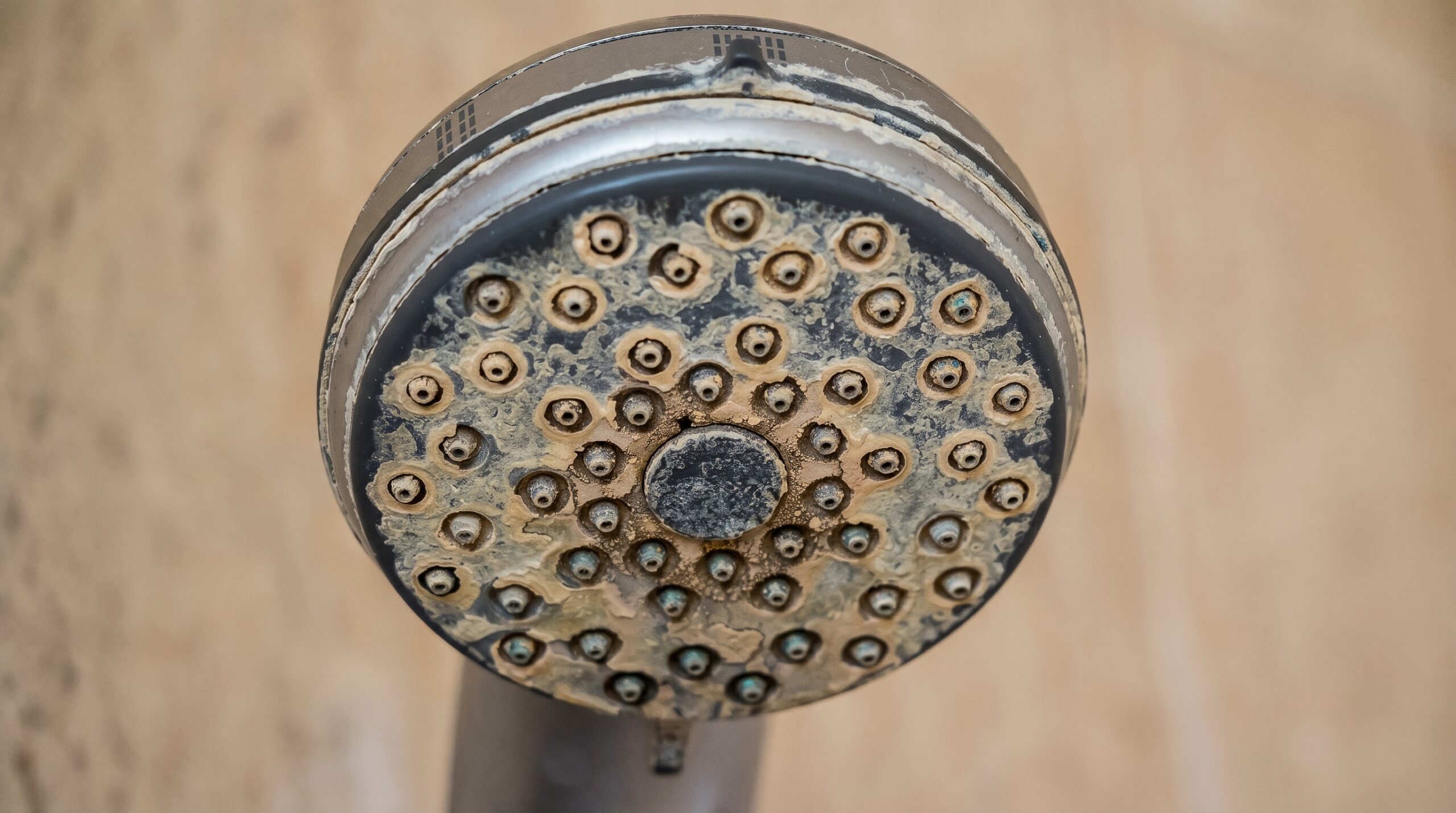
Can a water filter soften hard water? The simple answer is; a drinking-water filter can improve taste or target a particular contaminant, but it is not automatically a water softener. Hard water is mainly dissolved calcium and magnesium. To actually remove those minerals, you normally need a properly sized ion-exchange water softener—not a pitcher, faucet filter, or shower filter with a long list of media on the box.
That distinction matters. Otherwise it is very easy to spend money on a “hard-water filter,” still get white crust on the kettle, and wonder whether your plumbing has developed a personal grudge.
What hard water really is
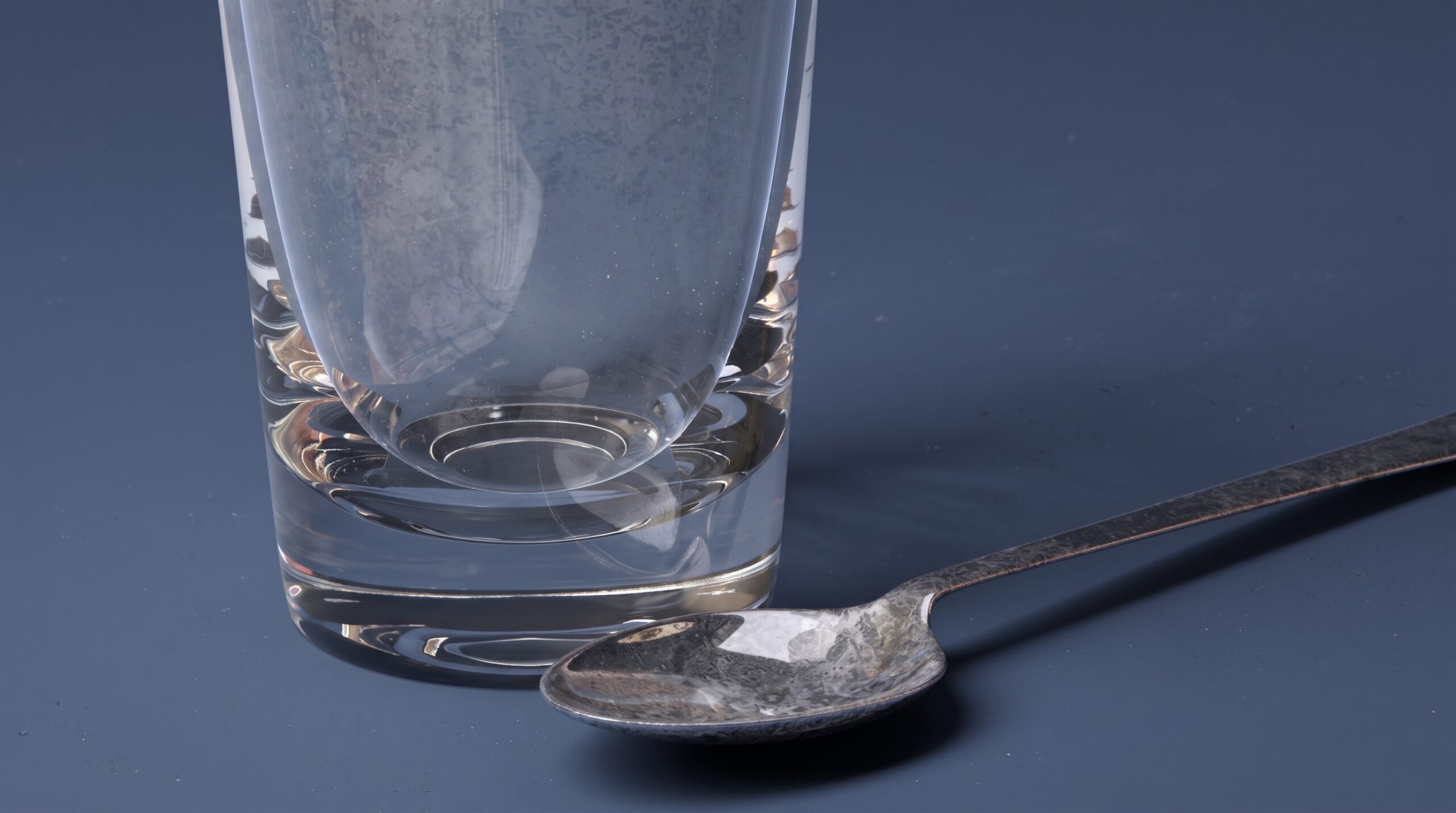
The U.S. Geological Survey defines water hardness as the amount of dissolved calcium and magnesium in water. Those minerals are not a danger sign by themselves, but they can make soap harder to rinse, leave spots on glasses, and form scale when water is heated. The USGS calls water above 120 mg/L (as calcium carbonate) hard and above 180 mg/L very hard.
That explains the familiar clues: cloudy wine glasses, a stiff towel, a crusty showerhead, or a water heater that seems to work harder than it should. It does not tell you which treatment to buy. A chlorine smell, lead concern, PFAS concern, iron stain, and hard-water scale are different problems, and one compact filter will not solve every one of them.
Why an ordinary water filter does not “soften” water
Most point-of-use filters work by carbon adsorption, a membrane, or a physical barrier. They can be useful for their stated jobs, but hardness minerals are dissolved ions—not bits of grit a simple screen can catch. A system should make a specific, independently verified hardness-reduction claim before you call it a softener.
The standard to look for is NSF/ANSI 44. NSF says this standard covers residential cation-exchange softeners that reduce hardness by swapping calcium and magnesium ions for sodium or potassium ions. It also covers things buyers have a right to care about: capacity, rinse effectiveness, pressure drop, brine-system accuracy, material safety, and whether the product information is accurate.
In plain English: the resin tank does the mineral swapping; the brine tank periodically recharges that resin. That is a very different machine from an under-sink drinking-water filter.
“But my filter says it helps with scale.” Is that the same thing?
Not necessarily. “Scale control,” “conditioner,” and “descaler” are not magic words for hardness removal. A product may change how minerals behave, protect a particular appliance, or reduce visible buildup under certain conditions. That can be useful. It is still not the same as a verified claim that calcium and magnesium have been removed from the water.
Before buying, ask this one boring-but-powerful question: Does the independent listing say “Hardness Reduction” for this exact model? NSF’s live directory shows the model, its claim, and, for efficiency-rated softeners, whether capacity and salt/water-use criteria were verified. If the claim is not there, do not fill in the blank with marketing optimism.
Which setup fits the problem?
If you only dislike the taste or smell of your drinking water
A drinking-water filter may be the right tool. Choose it around the exact problem you are trying to solve, then check its certification and reduction claims. Our guide to choosing a water filter walks through that matching process. Just do not expect it to protect the shower, dishwasher, laundry, and water heater from scale.
If scale shows up throughout the house
A whole-home cation-exchange softener is the usual fit. It treats water as it enters the house, so the shower, fixtures, appliances, and hot-water system all receive softened water. This is the option to investigate when you have test results showing meaningful hardness and the symptoms are everywhere.
EPA’s current water-softener guide says water above 120 mg/L, or 7 grains per gallon, is generally considered hard and may benefit from softening; above 180 mg/L, or 10 grains per gallon, is where softeners are often recommended. Those are decision aids, not a command to buy a system without checking your own water.
If the problem is one appliance
Start smaller. Descaling a coffee maker, cleaning a showerhead, or using the appliance maker’s water-treatment guidance can be more sensible than buying a whole-house system. A single clogged kettle does not automatically mean your entire home needs a salt-based softener.
If you rent or only want better shower water
A shower filter can be a reasonable comfort upgrade when free chlorine is the concern. It is not a true softener. The practical standard there is NSF/ANSI 177, which covers free available chlorine reduction—not hardness reduction. See our NSF-certified shower filter guide for the difference between a real certification and a vague “tested to” claim.
Test first; then size the solution
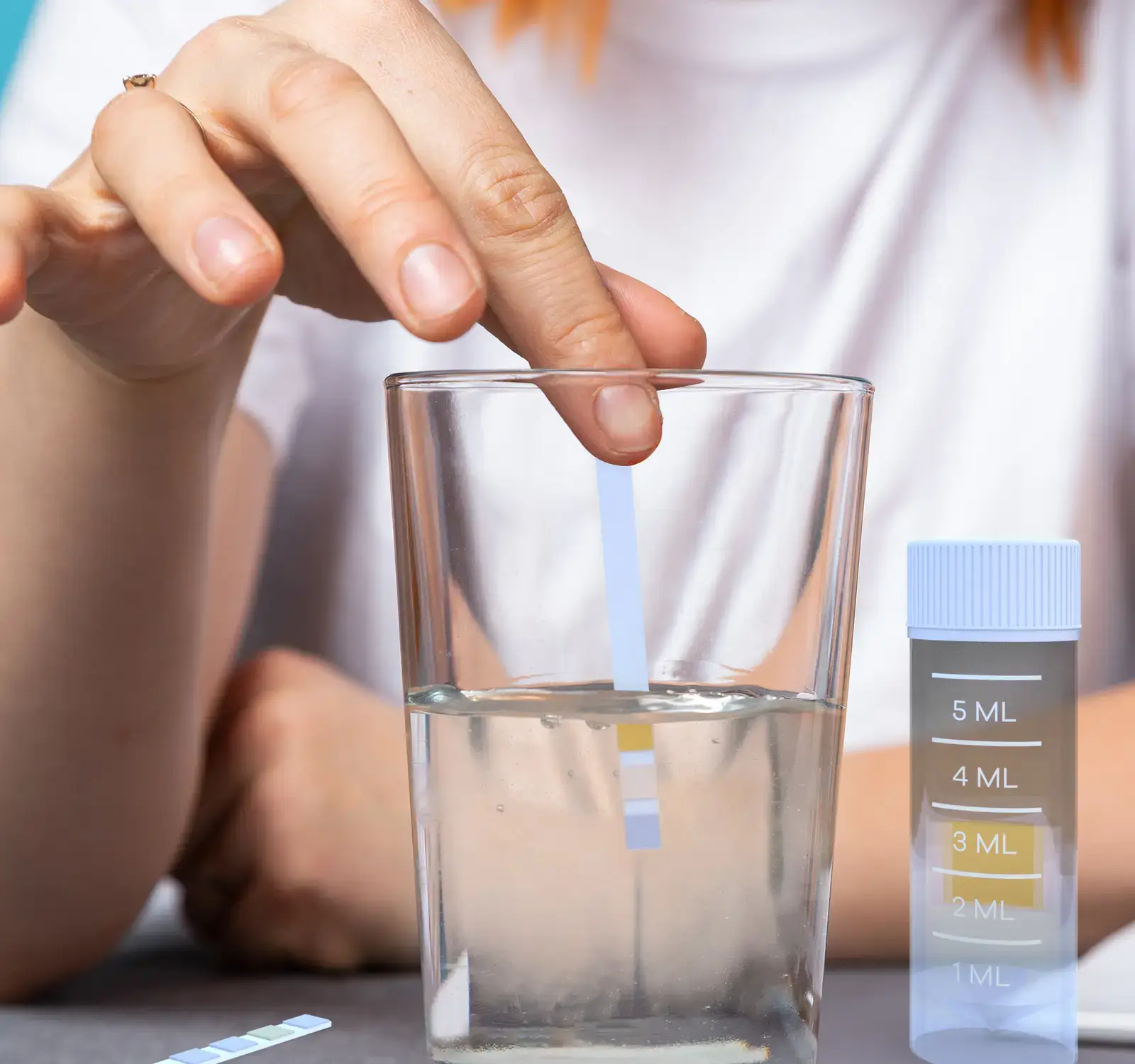
You do not need to become your neighborhood water chemist. You do need a number. Ask your public utility for its Consumer Confidence Report, use a state-certified lab if you need a result for a decision, or speak with a qualified local water-treatment professional. Private-well owners should test their water periodically.
If you’re interested in testing your water at home, our guide for home water testing kits is worth a read.
Hardness is commonly reported as mg/L (which is the same as ppm here) or grains per gallon. Keep the result when you shop. A softener needs to be sized for both hardness and household water use. Buying by “number of bathrooms” alone is like buying shoes by the number of people in the house: related, but not the measurement that decides the fit.
The tradeoff a salesperson may rush past
Ion-exchange softeners work, but they are not free of tradeoffs. They regenerate with salt or potassium chloride and use water during that cycle. EPA notes that regeneration can use substantial water and produce salty brine. That does not make a softener a bad choice; it means an efficient, correctly sized system and sensible settings matter.
When comparing systems, look for the exact model in an accredited certifier’s directory and ask about:
- Verified hardness reduction, not merely “scale control.”
- NSF/ANSI 44 certification or an equivalent independent certification for the finished model.
- Demand-initiated regeneration, so it regenerates based on use rather than an arbitrary weekly timer.
- Salt efficiency and water used per regeneration.
- Who will service it, and what the local rules say about softener discharge.
Our practical rule
Buy a filter for the contaminant or taste issue named on its verified claim. Buy a softener when your test result and whole-home scale problem point to hardness. And if a product promises to do both, make it show its homework—one exact model, one exact certification listing, and one claim that says what it actually reduces.
That is less exciting than a box promising “silky hair, spotless dishes, and purified vibes.” It is also how you avoid paying a softener price for something that merely makes a nice shower accessory.
Frequently asked questions
Can a Brita-style pitcher soften hard water?
Not in the whole-home, hardness-removal sense. A pitcher may have its own verified contaminant claims, but it is not a replacement for an NSF/ANSI 44 cation-exchange softener. Check the exact model’s certification and claim instead of assuming that “filters water” means “removes hardness.”
Does reverse osmosis soften water?
Reverse osmosis can reduce dissolved material in drinking water, but it is a point-of-use drinking-water system, not a whole-home softener. It will not stop scale in your shower, washing machine, or water heater. Our countertop vs. under-sink filter comparison explains the practical differences between drinking-water setups.
Is hard water unsafe to drink?
Hardness is mainly calcium and magnesium. It is usually a scale, cleaning, and appliance issue rather than a stand-alone health emergency. If you have a separate contaminant concern, use your utility report or a proper test to identify it rather than treating hardness as a diagnosis for everything.
Can a shower filter soften water?
No. A shower filter may have a certified claim for free chlorine reduction, but NSF explains that NSF/ANSI 177 shower filters are certified only for free available chlorine reduction. That is a different job from exchanging hardness minerals.
Do salt-free conditioners count as water softeners?
Not automatically. Some may be useful for a narrower scale-management goal, but a true cation-exchange softener removes hardness minerals. Ask for the exact independently verified claim and decide whether that claim matches what you are trying to fix.