ZeroWater wins if you care most about fluoride removal and broad contaminant coverage on a budget. MaxClear makes more sense for longer filter life and mineral retention, but the devil is in the details.
If you’ve been shopping for a water filter that tackles PFAS; the so-called “forever chemicals” now regulated by the EPA, you’ve probably noticed that Culligan has quietly built out a two-product lineup aimed squarely at this problem. There’s the Culligan ZeroWater pitcher (a redesigned version of the classic ZeroWater, which Culligan acquired), and the Culligan MaxClear Gravity Filter (a stainless-steel countertop system built on rebranded ProOne ceramic technology). Both are certified. Both claim to handle PFAS. But the filtration methods, contaminant coverage, filter lifespans, and costs are meaningfully different.
Shopping for the right water filter for you?
Water Filters That Remove Fluoride: What Actually Works (2026)
I break down the Culligan ZeroWater vs MaxClear Gravity filter comparison on the metrics that actually matter: certified PFAS reduction, fluoride performance, what each technology can and can’t do, how long the filters last, and what you’ll pay over time. Everything here is backed by IAPMO R&T certification records, official Culligan performance data sheets, independent lab testing and personal experience.
If you’re interested in learning more about the the new Culligan ZeroWater and how it compares to the legacy model, read our full analysis here.
How do these two filters actually work?
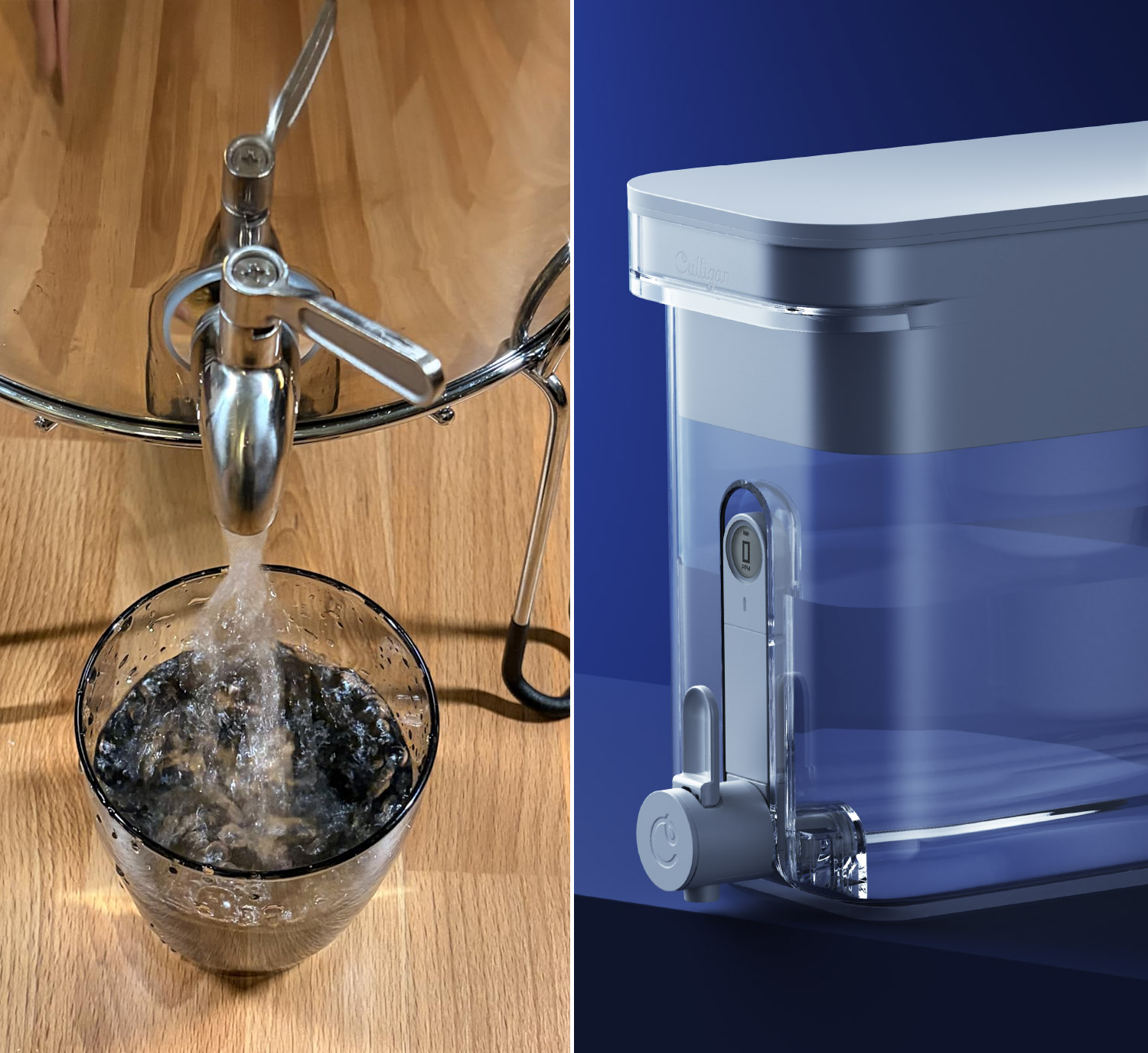
The first thing to understand is that these aren’t just two versions of the same product in different packaging. The Culligan ZeroWater filter uses a five-stage deionization process built around mixed-bed ion exchange resin. Water passes through a mesh screen, activated carbon, a KDF alloy layer, and then the ion exchange resin, which swaps dissolved ions (including PFAS, fluoride, and heavy metals) for hydrogen and hydroxide ions. The result is near-zero TDS water, which is why every ZeroWater pitcher ships with a handheld TDS meter.
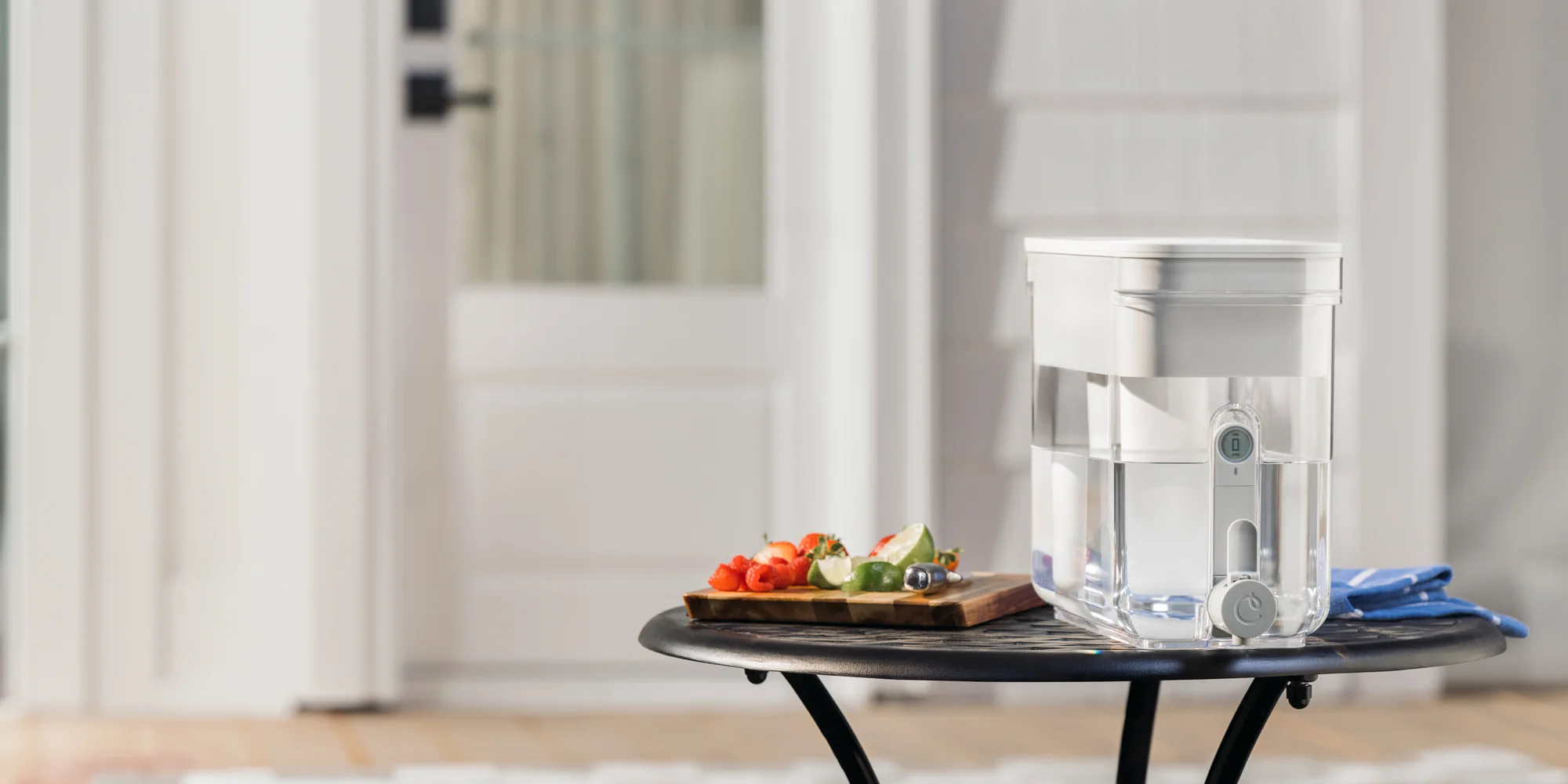
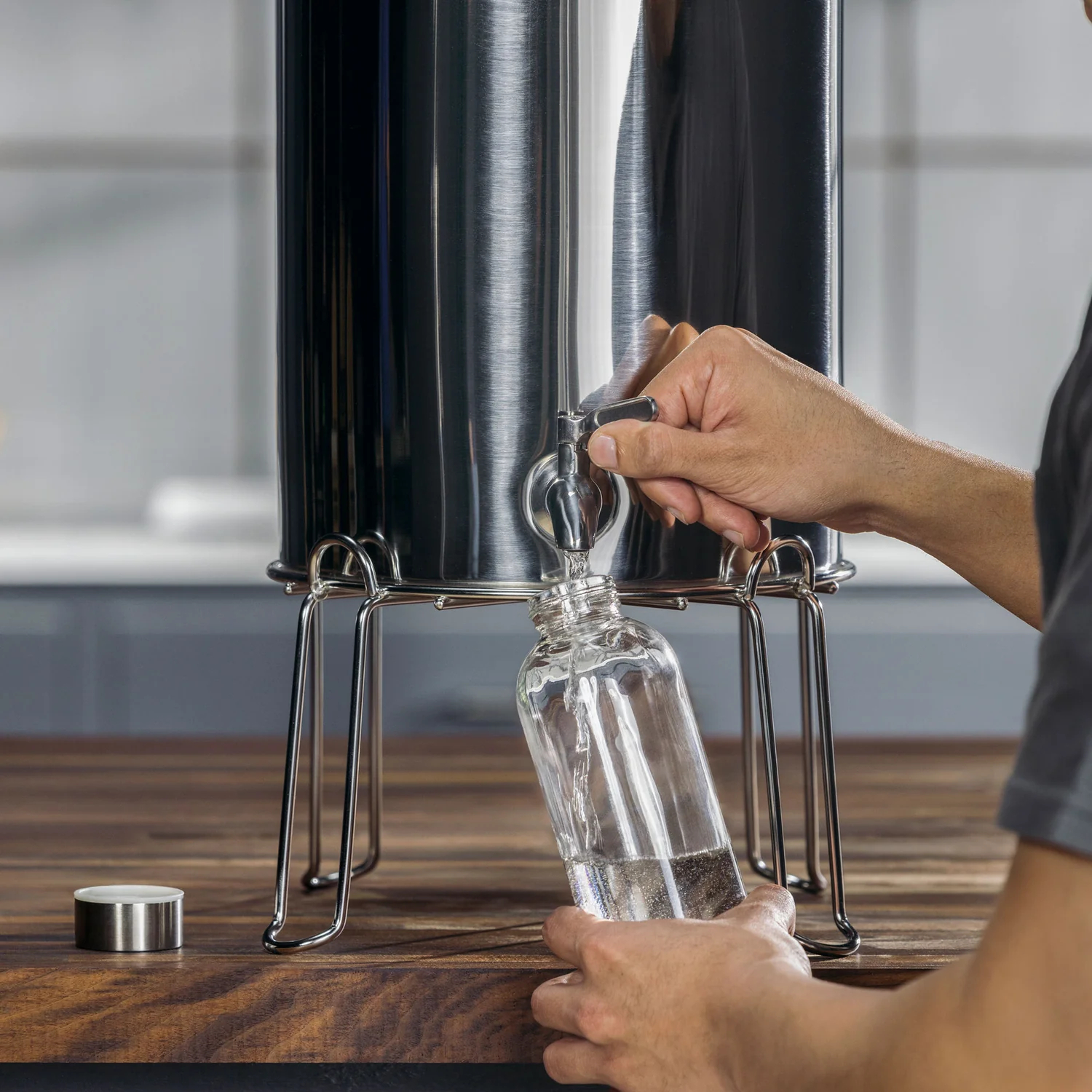
The Culligan MaxClear takes an entirely different path. It’s a gravity-fed system with a three-layer ceramic-carbon hybrid filter. The outer ceramic shell provides mechanical filtration, trapping particulates, sediment, and microplastics through fine pores. Inside sits a carbon block surrounded by coconut shell granular activated carbon, which adsorbs organic chemicals, PFAS, and chlorine. Unlike ZeroWater, the MaxClear doesn’t strip dissolved minerals or reduce TDS. Your water keeps its mineral content, and the ceramic shell can be scrubbed clean to restore flow rate between replacements.
This technology split has real consequences though. Ion exchange captures fluoride because fluoride exists as a dissolved anion, the resin grabs it. Activated carbon doesn’t reliably adsorb fluoride at normal drinking water pH. That single mechanism difference is why only one of these filters carries a certified fluoride claim.
Do both filters remove PFAS? What the certifications say
Both filters hold IAPMO R&T certification to NSF/ANSI 53 for “Total PFAS.” Under the 2022 update to that standard, Total PFAS certification requires demonstrated reduction of seven specific PFAS compounds: PFOA, PFOS, PFHxS, PFNA, PFHpA, PFBS, and PFDA. The acceptance threshold is a combined concentration below 20 parts per trillion.
That’s an important number to contextualize. The EPA’s final PFAS rule, published in April 2024, sets maximum contaminant levels at 4 ppt for PFOA and PFOS individually, that’s five times stricter than the 20 ppt testing threshold used in NSF/ANSI 53. Neither the ZeroWater nor the MaxClear is certified to meet that tighter EPA standard, because the certification protocol itself hasn’t caught up yet. This isn’t a knock on either product specifically, it’s just a gap in the testing framework that affects virtually every certified pitcher and gravity filter on the market.
Here’s how the two compare on PFAS specifically:
| Metric | Culligan ZeroWater | Culligan MaxClear |
| PFAS scope | Total PFAS (7 compounds) | Total PFAS (7 compounds) |
| Certified reduction | 99% | 99.6% average |
| Certified capacity | ~20 gallons | 50 gallons |
| Certifying body | IAPMO R&T | IAPMO R&T |
| Standard | NSF/ANSI 53 | NSF/ANSI 53 |
The MaxClear holds a slight edge in both certified reduction percentage (99.6% vs. 99%) and capacity (50 gallons vs. roughly 20). In practice, both are excellent PFAS performers for their respective product categories. The capacity difference, though, matters more than the percentage difference, it directly affects how often you’re replacing filters and what that costs over time.
You might find these posts helpful:
A note on legacy ZeroWater filters: if you still own an older ZeroWater pitcher (pre-Culligan rebranding) and are using the original ZR-017 bottom-threaded filter, that cartridge carries a narrower certification, only PFOA/PFOS at 95.1% reduction over 15 gallons, not the broader Total PFAS claim. The new Culligan ZeroWater Technology filter is a different, non-backward-compatible drop-in design with the upgraded certification.
Fluoride is the clearest difference between these two filters
This is where the Culligan ZeroWater vs MaxClear Gravity filter comparison gets decisive. The Culligan ZeroWater Technology filter is IAPMO-certified for fluoride reduction under NSF/ANSI 53. Fluoride appears on its certified contaminant list alongside lead, mercury, cadmium, copper, and hexavalent chromium. Independent lab testing has reported reduction rates around 99.7%, consistent with what you’d expect from a deionization-based system.
The Culligan MaxClear gravity filter is not certified for fluoride. It doesn’t appear anywhere in MaxClear’s NSF 42, 53, or 401 certified contaminant lists. Our buddies at WaterFilterGuru did observe complete fluoride removal in a single test sample, but an uncertified one-off lab result under unspecified conditions is not the same thing as verified performance. Carbon-based filtration doesn’t reliably capture fluoride ions, and Culligan doesn’t claim otherwise.
If you’re specifically shopping for a countertop or pitcher filter that addresses fluoride, the ZeroWater is the only option between these two with a defensible claim.
What TDS readings do (and don’t) tell you
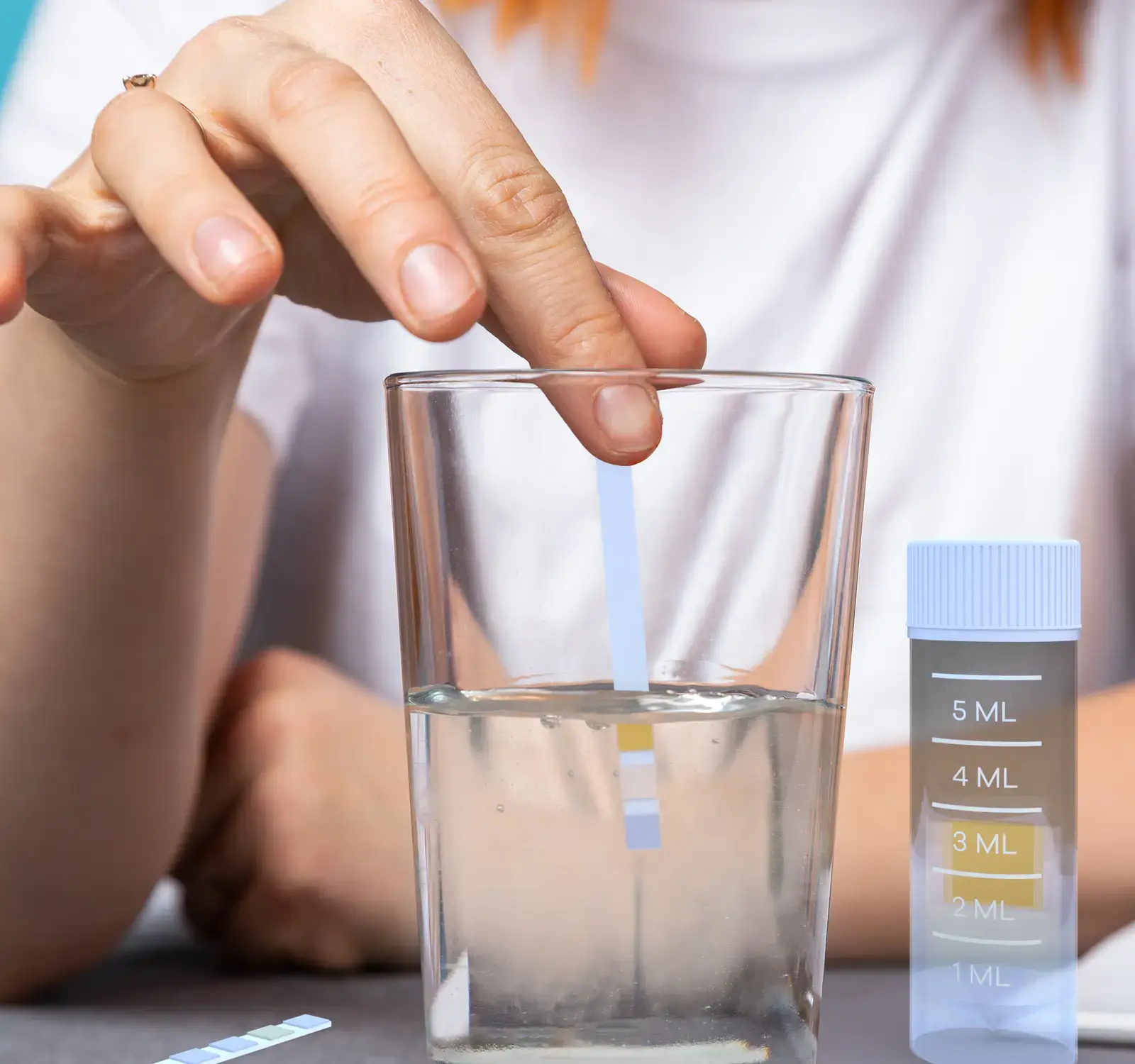
ZeroWater markets its filters around the promise of 0 TDS, total dissolved solids, and includes an electronic TDS meter with every pitcher. The idea is straightforward: when the meter reads 006 ppm or higher, replace the filter. And in principle, it works. A near-zero TDS reading confirms the ion exchange resin is still active, which correlates with contaminant reduction.
But a TDS meter doesn’t detect, quantify, or differentiate specific contaminants. It can’t tell you whether PFAS or lead or fluoride is getting through, it just measures the total concentration of dissolved solids in parts per million. As the resin exhausts, TDS rises gradually, and contaminant reduction degrades along a curve that may fall below certified thresholds before the meter triggers a replacement alert. Culligan’s own FAQ acknowledges this limitation.
The MaxClear doesn’t change TDS at all, by design. Its carbon-based adsorption targets specific organic compounds without removing dissolved minerals. You track filter life by counting gallons (Culligan recommends replacement at 50 gallons or six months, whichever comes first) rather than watching a meter. Neither approach is inherently better.. they’re just different monitoring methods for different filtration technologies.
What else does each filter remove?
Beyond PFAS and fluoride, the two filters diverge on several other contaminants. Here’s the broader picture:
| Certification / Contaminant | Culligan ZeroWater | Culligan MaxClear |
| NSF/ANSI 42 | Chlorine, zinc | Chlorine (99.4%), chloramine (99.6%), particulates Class I |
| NSF/ANSI 53 – PFAS | Total PFAS (99%) | Total PFAS (99.6%) |
| NSF/ANSI 53 – Lead | Yes (pH 6.5 & 8.5) | Yes (pH 6.5 & 8.5) |
| NSF/ANSI 53 – Fluoride | Yes (certified) | No |
| NSF/ANSI 53 – Mercury | Yes | Not listed |
| NSF/ANSI 53 – Cadmium / Copper | Yes | Not listed |
| NSF/ANSI 53 – Hexavalent Chromium | Yes | Not listed |
| NSF/ANSI 401 – Pharmaceuticals | 13 compounds | 8 compounds |
| NSF/ANSI 401 – Microplastics | Not listed | Yes (96.5%) |
| NSF/CAN 372 | Lead-free compliant | Lead-free compliant |
The ZeroWater filter covers a wider range of health-effects contaminants under NSF 53—fluoride, mercury, cadmium, copper, and hexavalent chromium are all certified, none of which appear on MaxClear’s list. The MaxClear counters with a unique microplastics certification under NSF 401 and a strong chloramine reduction claim that ZeroWater doesn’t carry. Your priority contaminants should drive the decision here!
Can I use off-brand replacement filters?
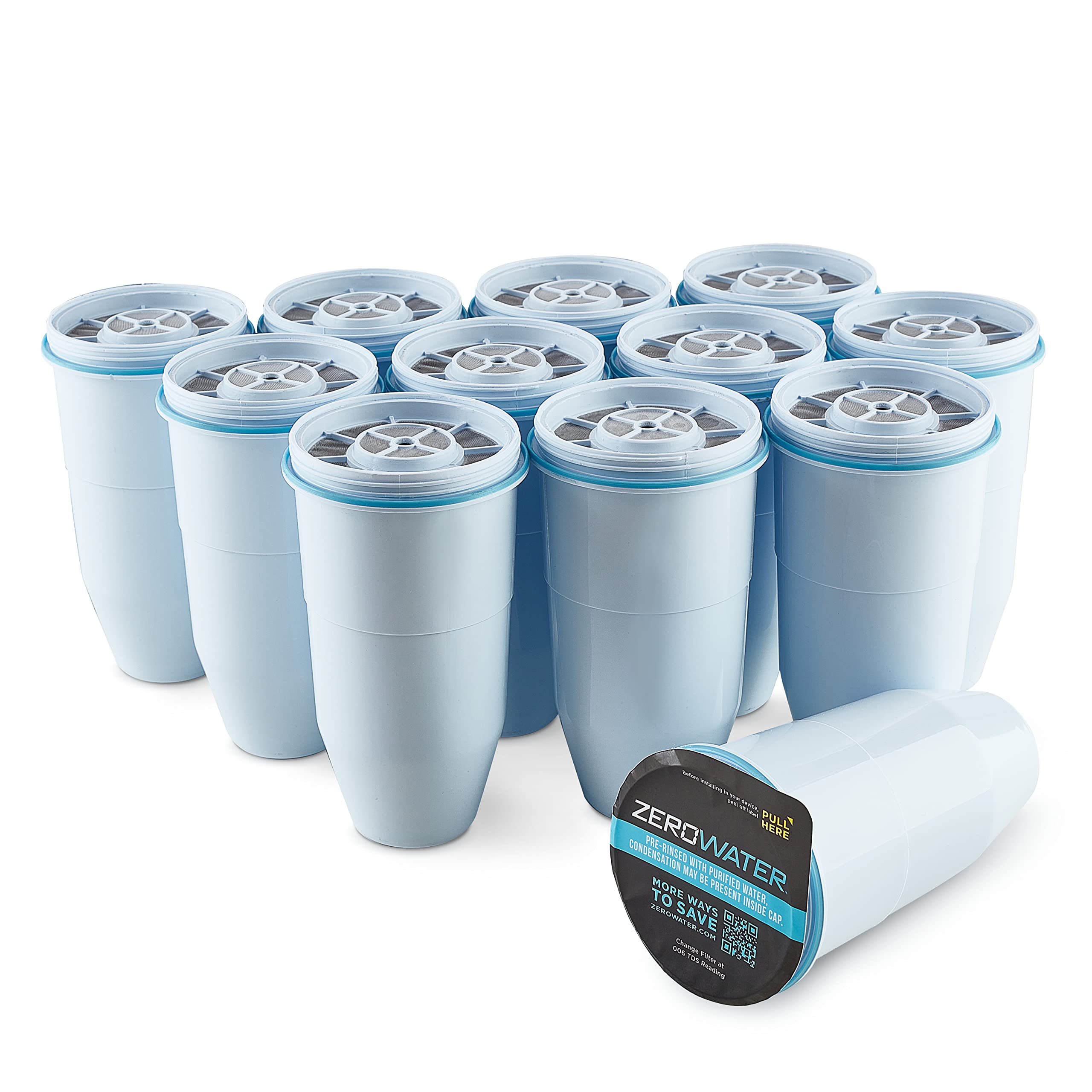
Both product lines sell branded replacement filters that carry the same IAPMO certifications as the original systems. But there are a couple of wrinkles worth knowing about.
The new Culligan ZeroWater Technology filter is not backward-compatible with legacy ZeroWater pitchers. If you own an older unit, you need the ZR-017 filter, which holds the narrower PFOA/PFOS-only certification. The MaxClear MCF701 replacement is physically compatible with several third-party gravity housings (Berkey, ProOne, Doulton, and others), which is a nice flexibility perk, but the reverse matters more: using a non-MaxClear filter in a Culligan gravity housing voids the IAPMO certification. Certifications are product-specific.
Amazon is flooded with aftermarket “ZeroWater-compatible” replacement filters from brands like Recogwood, BOGDA, and TOMOON. These typically claim contaminant reduction but don’t appear to hold independent IAPMO, NSF, or WQA certifications. NSF guidance is clear on this: “Tested to NSF standards” is not the same as NSF certification. Certified products undergo ongoing facility audits and annual retesting. If the certification matters to you; stick with the branded filter.
Cost, speed, and the day-to-day trade-offs
Here’s where the practical realities of living with each system come into focus:
| Parameter | Culligan ZeroWater | Culligan MaxClear |
| System price | ~$22 (10-cup pitcher) | ~$230–$275 (3-gal system) |
| Filter cost (single) | ~$18 | ~$79 |
| Filter capacity | ~20 gallons | 50 gallons |
| Cost per gallon | ~$0.90 | ~$1.20–$1.58 |
| Flow rate | ~1.9 gal/hr | ~0.3 gal/hr |
| Replacement trigger | TDS meter reads 006+ | 50 gal or 6 months |
| Minerals retained? | No (deionized) | Yes |
The ZeroWater pitcher wins on entry price and speed. At around $22, it’s an easy impulse buy, and it filters about six times faster than the MaxClear’s gravity-fed drip. The MaxClear’s roughly 0.3 gallons per hour means a full 3-gallon tank takes around eight hours to filter.. you’re filling it before bed to have clean water in the morning.
On the other hand, the MaxClear’s 50-gallon filter life means fewer replacements. ZeroWater filters at 20 gallons per cartridge burn through quickly, especially for a household that drinks a lot of water. One analysis pegged ZeroWater’s five-year ownership cost at around $935; among the highest for pitcher filters. MaxClear’s higher per-filter cost is partially offset by lasting 2.5 times longer.
How long do these filters actually last before they stop working?
Both technologies degrade with use, and timely replacement is more important than most people realize. ZeroWater’s ion exchange resin exhausts as binding sites fill up. The TDS meter provides a rough proxy for remaining capacity, but contaminant-specific performance may decline before TDS rises noticeably. For the MaxClear, activated carbon adsorbs contaminants until saturation, at which point PFAS and other organics begin to break through.
A peer-reviewed study published in Environmental Science & Technology Letters (Herkert et al., 2020) documented that saturated carbon filters can actually release previously captured PFAS back into the filtered water, a phenomenon called desorption. This makes replacing filters on schedule genuinely important, not just a manufacturer upsell.
So which one should you get?
In the Culligan ZeroWater vs MaxClear Gravity filter matchup, there isn’t a universal winner, but there is a clear answer depending on what you’re optimizing for.
Choose the Culligan ZeroWater pitcher if: fluoride is a priority contaminant, you want the widest range of certified health-effects coverage (mercury, cadmium, copper, hexavalent chromium), you need an affordable entry point, and you don’t mind replacing filters more frequently. It’s the better pick for renters, smaller households, or anyone who wants a real-time replacement indicator via the TDS meter.
Choose the Culligan MaxClear gravity filter if: you want longer filter life (50 vs. 20 gallons), microplastics certification matters, you prefer retaining beneficial minerals in your water, and you’re okay with a slower flow rate and higher upfront cost. It’s the better pick for larger households, off-grid use, or anyone who doesn’t want to swap filters every few weeks!
On PFAS specifically, both systems are strong, among the best-certified options in the pitcher and gravity categories, respectively. But neither is certified to meet the EPA’s 4 ppt MCL for PFOA and PFOS. If you live in an area with confirmed PFAS contamination above federal limits, a certified under-sink reverse osmosis system (NSF/ANSI 58) remains the most documented technology for maximum PFAS reduction across all chain lengths.