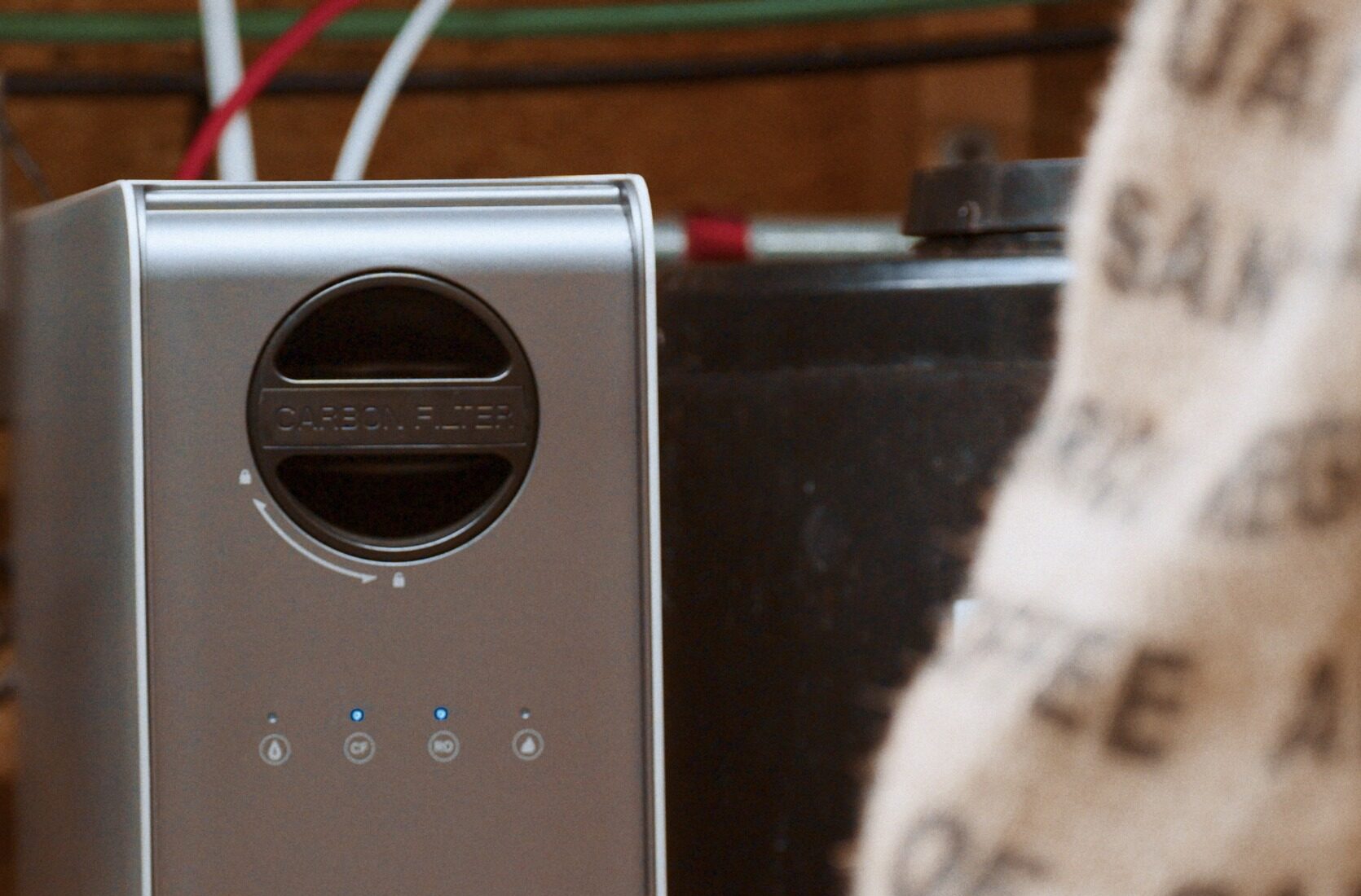
If you’ve been eyeing a Delta reverse osmosis system, you’re probably attracted to the brand name, Delta makes solid faucets, after all (I’ve had mine for over a decade now). But right off the bat, here’s what most reviews won’t tell you: their Clarifi RO system? Is one of the loudest tankless filters on the market, and at $750+, you’re paying a hefty premium for certifications that don’t necessarily translate to better water.
I’ve spent weeks digging through actual user complaints, plumber forums, and independent testing data to figure out whether Delta’s single reverse osmosis offering is worth the hype. Short answer? It depends on whether you can tolerate constant operational noise and hidden costs that nearly double the sticker price.
What Delta Actually Sells
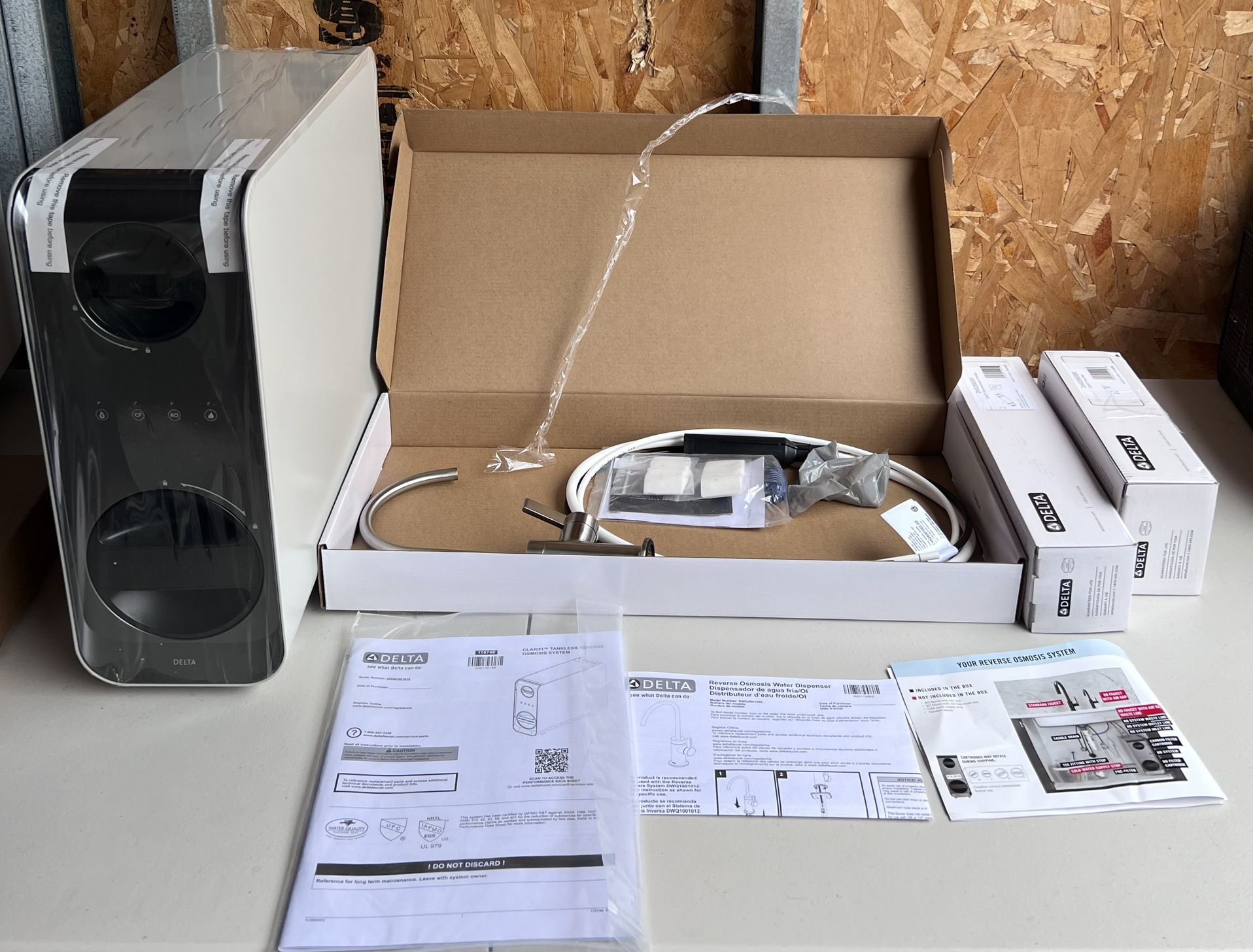
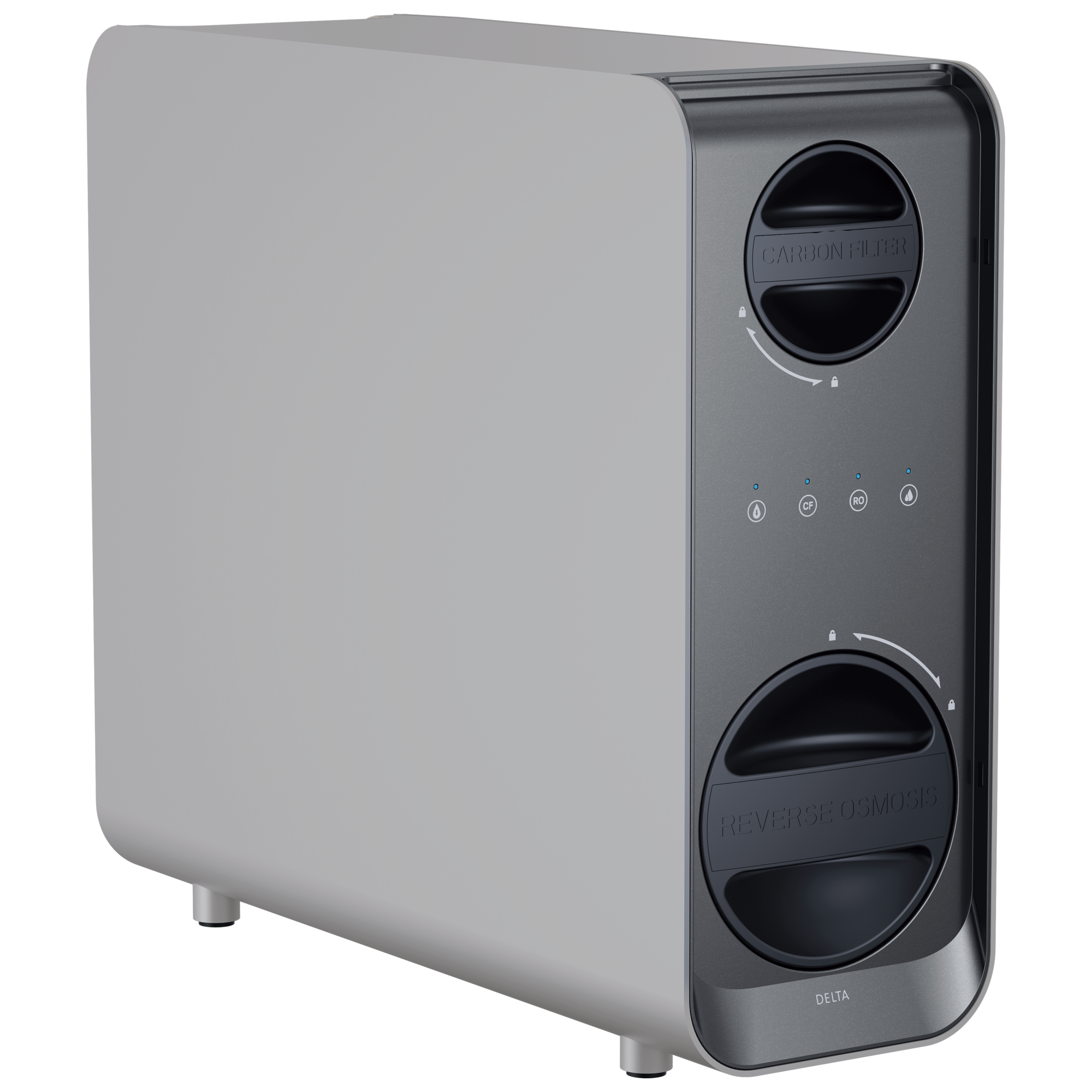
Unlike competitors who offer budget to premium options, Delta sells exactly one model: the Clarifi Tankless Under Sink 6-Stage Reverse Osmosis System (model DWQ1001012 if you wanna get all techie). Launched in August 2024, it’s Delta’s first and only foray into RO filtration, which means you’re essentially betting on a brand-new product without the multi-year track record that APEC, iSpring, or Waterdrop systems have.
Here’s what you’re actually getting for $749-799 (system only):
- Tankless design that saves under-sink space but requires constant electrical power.
- 600 GPD capacity with 0.42 GPM continuous flow (competitive but not exceptional).
- 2:1 waste ratio that’s legitimately impressive, most traditional systems waste 4-8 gallons per gallon filtered.
- 6 filtration stages with an optional 7th remineralizer you have to buy separately.
- NSF certifications for 42, 53, 58, 401, and 372 plus ASSE 1086 (the most in its class, which Delta won’t let you forget, haha).
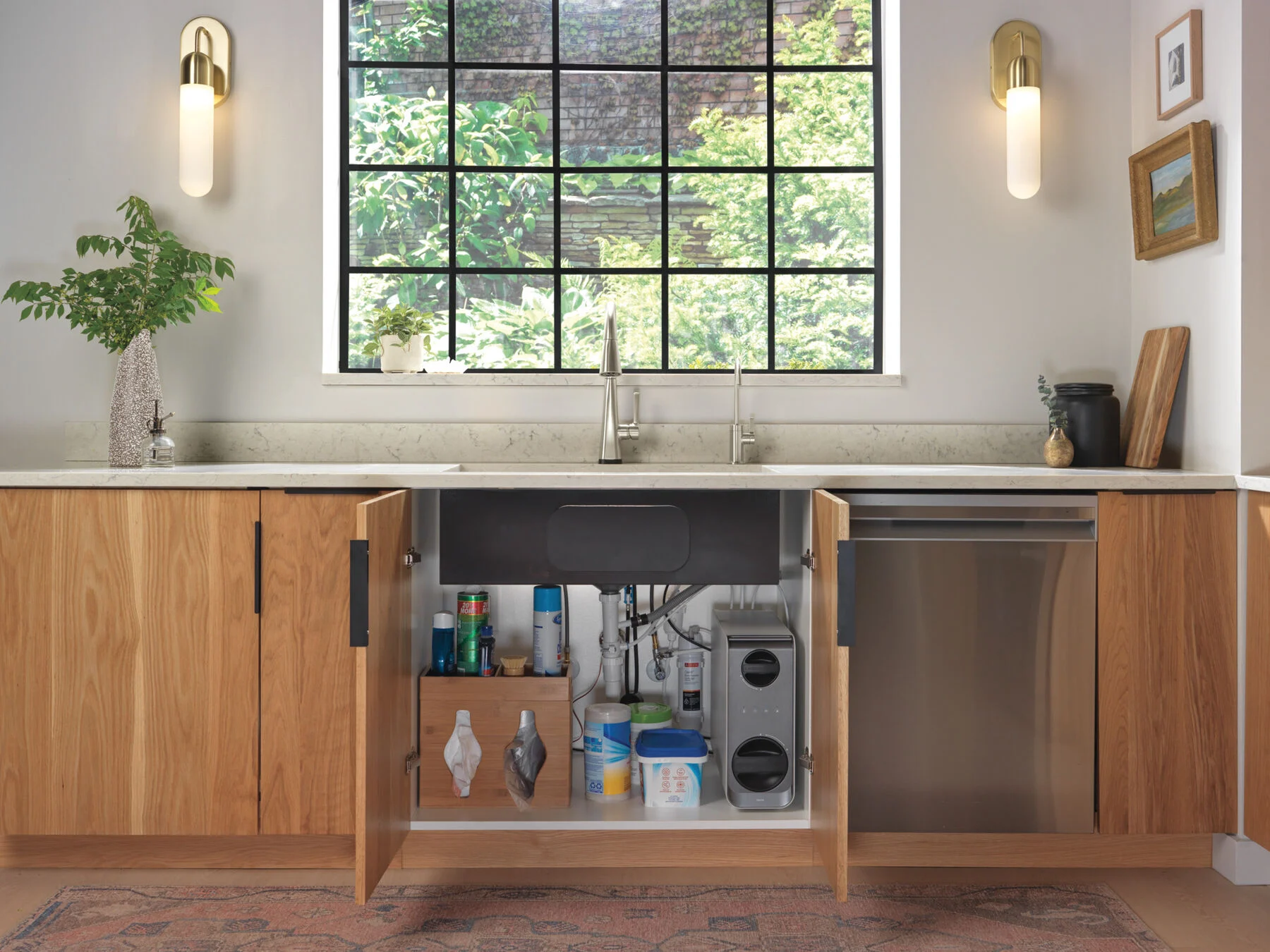
Bare in mind, the faucet isn’t included. Delta beverage faucets run another $100-200+, and you’ll need an electrical outlet under your sink, which many homes don’t have, and this makes it a hard pass for most renters. Factor in an electrician visit ($150-400) and that remineralizer cartridge ($52-69), and your “under $800” system suddenly costs $1,000-1,300 to get fully operational. But is it all worth it?
The Certification Advantage Is Real, But Narrow
I’ll give Delta credit where it’s due; the Clarifi genuinely is the most certified tankless reverse osmosis system you can buy. Those six certifications aren’t marketing bs, they’re third-party verified through IAPMO R&T Lab, which carries the same weight as direct NSF testing.
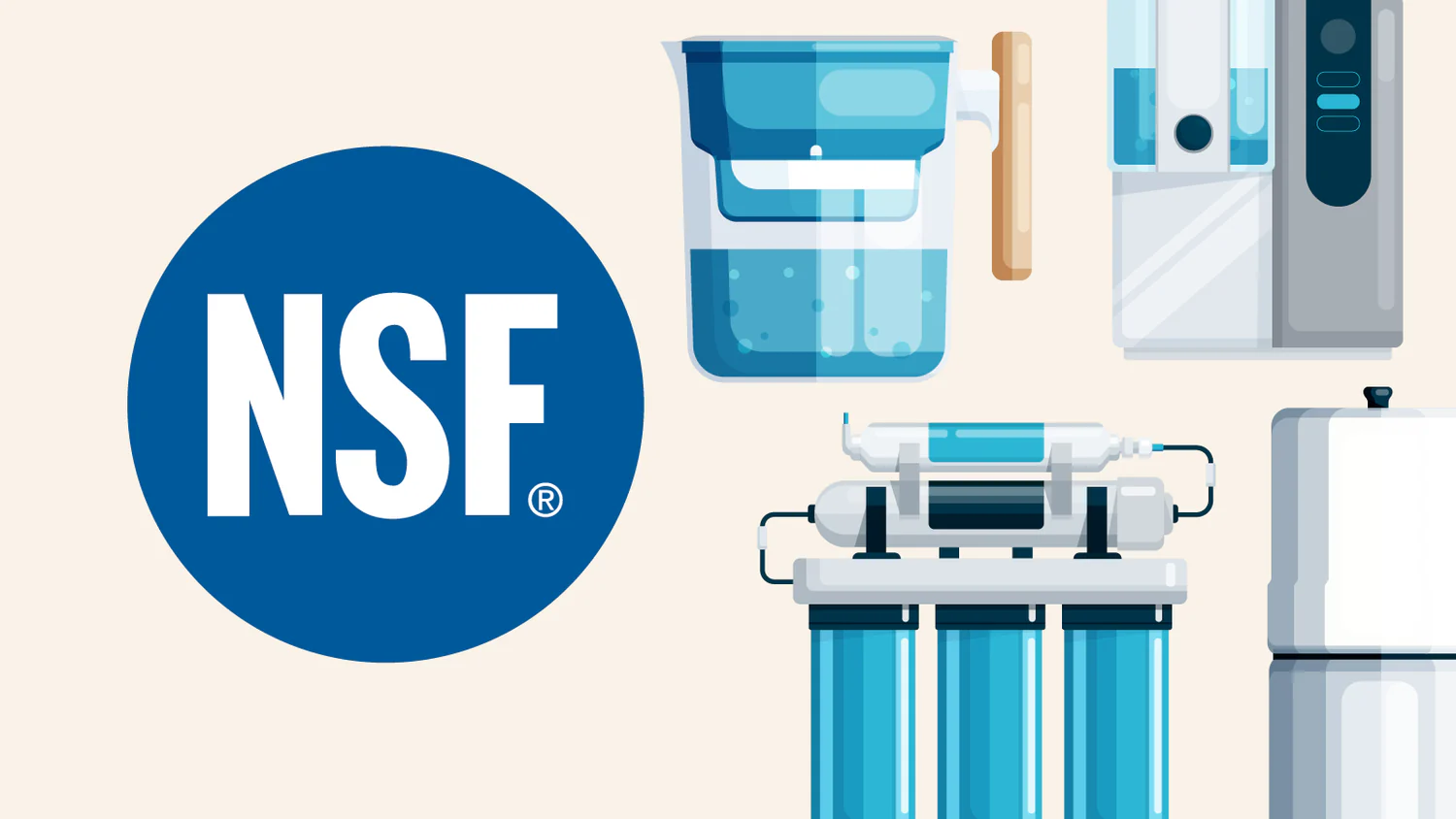
The standout though, is NSF 401 certification for emerging contaminants like pharmaceuticals, pesticides, and PFAS compounds. Most competitors, including the popular Waterdrop G3P800 and iSpring RCC7AK, only have NSF 58 (the basic RO standard). They might remove PFAS just as effectively based on internal lab tests, but Delta has the paperwork to prove it.
Third-party testing shows the Delta RO system removes:
- 99.5-99.7% PFAS (the “forever chemicals” you’re probably worried about).
- 99.3% lead and arsenic.
- 91.1% fluoride (and if fluoride reduction is the reason you’re shopping RO systems, check out our best recommendations for filters that actually remove fluoride).
- 96.8% microplastics.
- 95.5-99.7% pharmaceuticals (not sure whether those ‘forever chemicals’ are in your tap in the first place? Our guide to PFAS home test kits explains why testing matters and which kits actually detect PFAS and fluoride).
If you’re specifically concerned about PFAS contamination and want documented proof your system handles it, Delta delivers. For everyone else? The APEC ROES-50 likely removes the same stuff for $500 less, just without the fancy certification badge.
What’s Up With The Noise Problem?
This is where the Delta reverse osmosis system falls apart for most households. Across every platform; Wayfair returns, Home Depot reviews, Costco ratings (which is notably lower at 3.4/5 stars), the same complaint surfaces: this thing is loud.
Linda, a verified purchaser, said “This unit is very noisy!! When you turn on the faucet, there is a loud groaning sound. It also seems to regenerate occasionally and makes the same loud noise”
Another verified purchaser, by the name of Patti, states “We are familiar with some noise from such systems, but the noise from the Delta RO system was so loud and annoying.“
These reviews are just from the official Delta product page, countless other reviews and opinions across Amazon, Home Depot and even Reddit address the same issue.
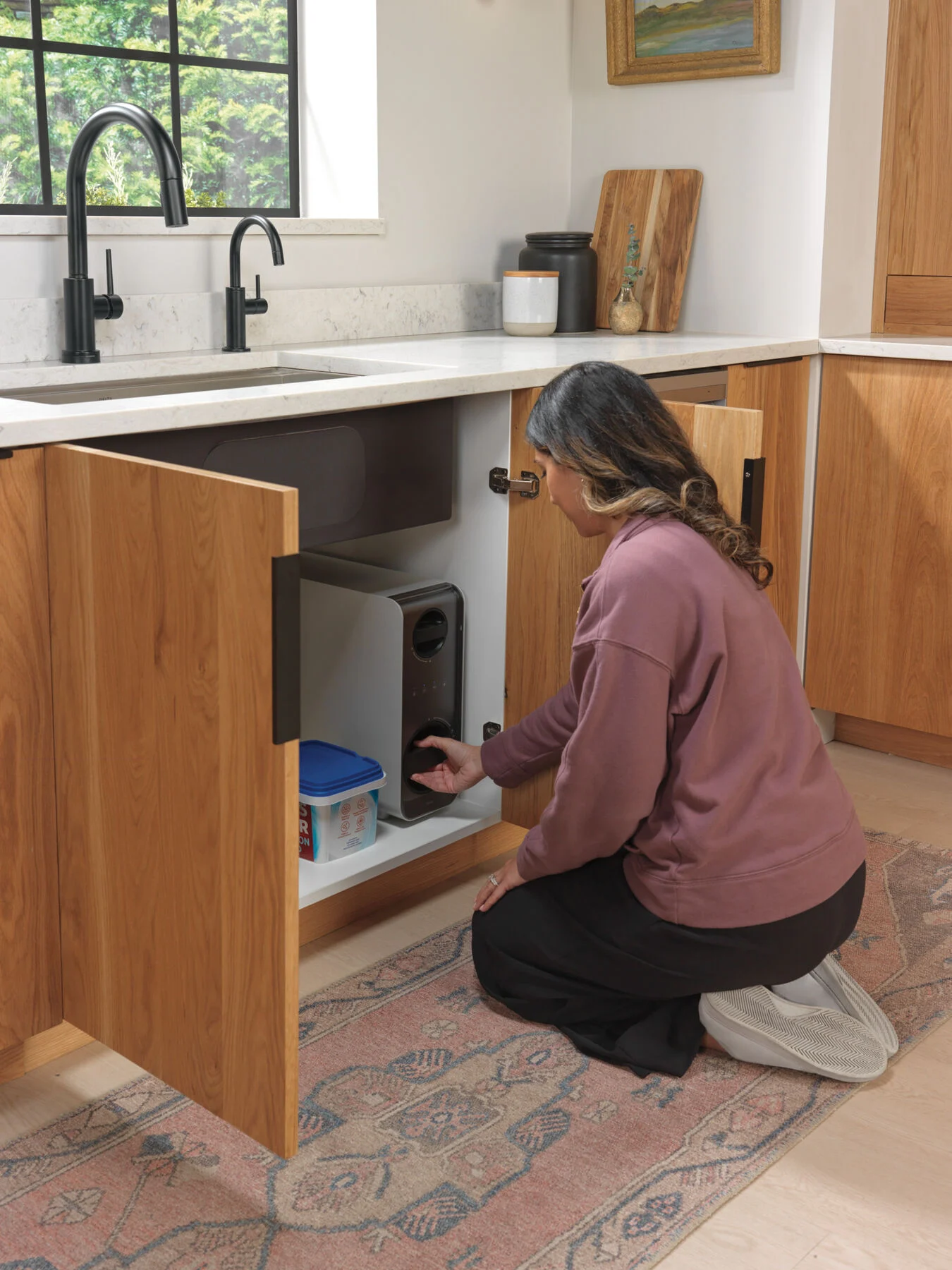
The noise comes from two sources. First, the tankless pump runs constantly while filtering (expected). Second, the system auto-flushes itself every 5 minutes during use and once every 12 hours after last use (annoying). RV owners in forums report installing power switches just to shut the unit off at night.
The noise levels reported to be at 50dB, occasionally louder, which is indicated by Delta itself here. This level of noise might be of concern to homeowners with thin walls, babies in the house, and generally noise-sensitive people.
Interestingly, Delta’s sister brand Brizo sells an identical system called the Pristive that’s explicitly marketed as having fewer noise complaints, suggesting Delta knows this is a Clarifi-specific issue but hasn’t fixed it.
So yes, if your kitchen shares a wall with your living room or bedroom, this matters. A lot.
The Real Cost Shows Up After Installation
Let’s talk real numbers, because the $749 sticker price can mislead buyers.
Year 1 all-in costs:
- Base system: $749-799
- Faucet (required): $100-200+
- Electrician for outlet: $150-400 (if needed).
- Remineralizer cartridge: $52-69
- Realistic total: $1,051-1,468
Annual filter replacement costs:
- RO membrane (every 2 years): $87/year.
- Carbon filter (every 2 years): $26/year.
- Pre-filter (every 6 years): $10.50/year.
- Remineralizer (every 2 years): $26/year.
- Total: ~$150/year
Compare that to proven competitors over 5 years:
| System | Purchase Price | 5-Year Total Cost | Performance |
|---|---|---|---|
| Express Water RO5DX | $190 | $520 | Solid budget pick |
| APEC ROES-50 | $236 | $604 | Best value |
| iSpring RCC7AK | $198 | $705 | Includes remineralizer |
| Delta Clarifi | $749 | $1,249 | Most certifications |
| Waterdrop G3P800 | $760 | $1,674 | Tankless alternative |
Bare in mind these prices and cost are estimates and are subject to change.
If you’re weighing alternatives, we also compare the top under‑sink filters certified for PFAS removal, looking at cost, flow and who each system suits.
The Delta system costs more than double the APEC over five years. You’re paying a 107% premium primarily for NSF 401 certification and brand recognition.
The proprietary filter cartridges make this worse. Unlike APEC or iSpring where you can find third-party compatible filters on Amazon, Delta requires brand-specific cartridges:
- RO Filter (DWQ300102): $174 every 2 years
- Carbon Filter (DWQ300202): $52 every 2 years
- Pre-Filter (DWQ300350): $63 every 6 years
There’s no aftermarket competition to keep prices honest.
What the Delta System Actually Does Well
Despite my skepticism, there are legitimate reasons to consider this system.
Water efficiency is genuinely impressive. That 2:1 filtered-to-waste ratio means the Delta reverse osmosis system wastes half as much water as traditional tanked RO units (typically 3:1 to 8:1 ratios). If you’re in California, Nevada, or anywhere with water scarcity or high utility costs, this adds up. Only the Home Master TMAFC-ERP with its permeate pump beats Delta’s efficiency at 1:1.
Space savings are real. The tankless design eliminates that bulky 3-4 gallon storage tank that dominates most under-sink cabinets. Delta claims 60% space savings, and the compact 17⅞” × 6⅛” × 15⅞” footprint backs that up. If you’ve got a tiny apartment kitchen or already crowded cabinet space, this matters.
Extended filter life means less frequent maintenance hassle. While competitors require membrane replacement every 6-12 months, Delta’s RO membrane and carbon filters last 2 years. The pre-filter goes 6 years. For people who hate dealing with maintenance, that’s a real convenience benefit.
Brand infrastructure shouldn’t be dismissed. Delta Faucet Company has 70+ years of plumbing experience, BBB accreditation, USA-based customer support, and you can buy replacement filters from Home Depot, Lowe’s, Amazon, and Ferguson without hunting obscure websites. When something breaks at year 3, that network matters.
Actual filtration performance lives up to the certifications. Multiple Home Depot reviewers confirmed TDS (total dissolved solids) reduction from 300+ ppm to 8-15 ppm. The water tastes clean. Verified contamination removal matches spec sheets. The system works as advertised, it’s just loud and expensive.
Who Should Actually Buy the Delta Reverse Osmosis System
This system makes sense for a narrow buyer profile:
Buy if you:
- Need documented NSF 401 certification for PFAS/pharmaceutical removal and are willing to pay the premium for paperwork.
- Already have an electrical outlet under your sink and want tankless space savings.
- Live in a water-scarce area where the 2:1 efficiency ratio provides meaningful cost savings.
- Have a detached kitchen or don’t mind operational noise.
- Are committed to the Delta fixture ecosystem for aesthetic matching.
- Want to minimize maintenance frequency (2-year filters vs 6-month cycles).
Don’t buy if you:
- Have noise sensitivity or open-concept living spaces adjacent to the kitchen (this is the deal-breaker).
- Need the best value, APEC ROES-50 costs 52% less over 5 years with comparable filtration.
- Are renting and need portability (no countertop RO models available from Delta).
- Want built-in remineralization without paying extra (iSpring RCC7AK includes it standard).
- Prefer systems with years of proven reliability data (Waterdrop and APEC have extensive user feedback).
- Don’t have under-sink electrical and don’t want electrician costs.
So Is The Delta’s RO System Worth It?
The Delta Clarifi delivers on its core promise: certified, comprehensive filtration with space-saving tankless design and excellent water efficiency. For buyers who specifically need NSF 401-verified PFAS and pharmaceutical removal with documented third-party testing, it provides peace of mind that competitors match only through internal lab claims.
But those certifications come at real cost, financial, practical, and auditory. The noise complaints are too consistent across too many independent sources to dismiss as outliers or bad luck. This system will be heard, and you’ll hear it multiple times daily plus overnight flushes. Combined with hidden costs that nearly double the purchase price, limited 18-month track record, and 5-year ownership costs exceeding $1,200, the Clarifi suits maybe 15% of the market.
For most people reading this, the APEC ROES-50 at $236 ($604 five-year cost, 4.7 stars across 6,000+ reviews, proven multi-year reliability, USA support) represents substantially better value. You get the same contaminant removal, established track record, and quiet operation at less than half the cost.
If you specifically want tankless benefits, the Waterdrop G3P800 provides comparable performance at similar pricing but with 3+ years of user feedback confirming long-term reliability and notably fewer noise complaints.
The iSpring RCC7AK at $198 splits the difference, traditional tanked design with built-in remineralizer, extensive third-party filter compatibility, and a decade of proven durability.
Delta’s entry into reverse osmosis filtration leverages brand strength and goes all-in on certifications, but the August 2024 launch leaves critical questions about durability unanswered. The noise issue specifically is documented enough that I can’t recommend this system for typical households with standard kitchen configurations.
If you’re comfortable being an early adopter of premium-priced filtration equipment, have a detached kitchen or high noise tolerance, and specifically value NSF 401 certification above cost considerations, the Delta reverse osmosis system may satisfy. For everyone else? Proven alternatives offer lower risk, quieter operation, and better value.
My recommendation: Wait for gen 2 with noise reduction, or spend the $750 elsewhere; on the APEC ROES-50 plus whole-house sediment pre-filtration, or the iSpring with 3 years of replacement filters pre-purchased. Your wallet and your sleep schedule will thank you!