
What happens if you don’t change your water filter goes beyond bad taste and slow flow. A peer-reviewed study from Duke University and NC State found that expired carbon filters can actually push PFAS levels higher than your unfiltered tap water. Not slightly higher. Measurably, demonstrably higher, in half the whole-house systems tested.
That finding changes the math on filter maintenance entirely. If you bought a water filter specifically to protect your family from forever chemicals, and you’re running it past its replacement date, the evidence says you may be doing the opposite of what you intended.
This is for anyone who has installed a water filter to reduce PFAS and wants to understand when that filter stops helping and starts hurting. Especially relevant if you use a whole-house carbon system, a pitcher filter, or a faucet-mount carbon filter and aren’t sure when to replace it.
If you’re shopping for a PFAS filter and haven’t bought one yet, start with our breakdown of the uncomfortable truth about PFAS countertop filters or, if you want something installed under your sink, our guide to certified under-sink water filters for lead and PFAS.
How Your Filter Captures PFAS (And Why It Stops)
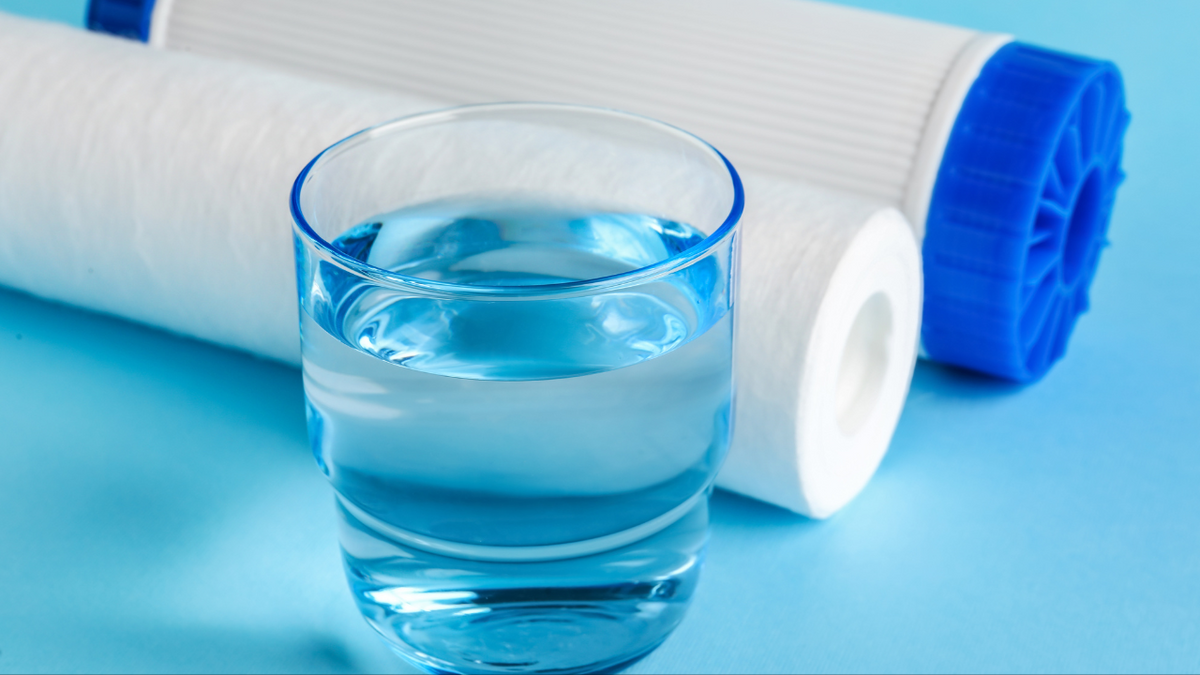
Activated carbon filters work through adsorption. PFAS molecules stick to the surface of the carbon as water passes through. Long-chain PFAS compounds like PFOA and PFOS bind more tightly because they’re more hydrophobic. Short-chain PFAS, the newer and harder-to-remove variety, bind weakly.
That weak binding is the problem. As your filter ages and adsorption sites fill up, a process called competitive displacement kicks in. Incoming long-chain PFAS and dissolved organic matter physically push previously captured short-chain PFAS off the carbon and back into your water. Lab experiments published in the Journal of Hazardous Materials in 2023 confirmed this directly: when long-chain PFAS were introduced to carbon pre-loaded with short-chain compounds, the long-chain molecules completely pushed all the short-chain PFAS back out.
Reverse osmosis works differently. RO membranes physically reject PFAS molecules based on size, achieving 94% or greater removal across both long-chain and short-chain compounds in real-world field testing. RO membranes don’t have the same desorption problem because they aren’t storing contaminants on a surface.
Ion exchange resins swap PFAS anions for benign ions like chloride. They’re effective but also have a saturation point after which they need regeneration or replacement.
The critical thing to understand: carbon filter failure for PFAS is invisible. PFAS are tasteless, odorless, and colorless. Your water will look and taste exactly the same whether your filter is removing 99% of PFAS or making your water worse.
What Old PFAS Filters Actually Do to Your Water
The first large-scale field study of residential PFAS filters was published in 2020 by researchers at Duke University and NC State. They tested 76 point-of-use and 13 point-of-entry systems across 73 homes in North Carolina. The results weren’t reassuring.
Among whole-house granular activated carbon (GAC) systems, 4 of 8 produced filtered water with higher PFAS concentrations than the unfiltered supply. That’s not a marginal failure. Those filters were actively making the water worse.
Single-stage activated carbon filters, the kind in pitchers, faucet-mount units, and refrigerator filters, averaged about 73% PFAS removal, but the variability was enormous. Some removed almost everything. Others removed almost nothing. Short-chain PFAS were particularly poorly handled, with removal averaging around 40% compared to 60–70% for long-chain compounds.
The bright spot: under-sink reverse osmosis systems and dual-stage carbon filters achieved near-complete removal, 94% or better, across all PFAS types tested.
Heather Stapleton, the Duke professor who co-led the study, summarized it bluntly: the effectiveness of activated-carbon filters was “inconsistent and unpredictable,” while whole-house systems “in some cases actually increased PFAS levels in the water.”
The performance gap between filter types matters a lot when you’re choosing a system. We covered how water filter pitchers actually perform on PFAS and fluoride in a separate deep dive, including which specific pitchers have independent test data behind their claims.
Why Old Filters Make Water Worse
The idea that an expired water filter simply stops filtering is wrong. For PFAS specifically, the science shows something worse: saturated filters can become a source of contamination.
Tasha Stoiber, a senior scientist at the Environmental Working Group, put it plainly: “If you don’t change it, and it becomes saturated, the levels of PFAS in the filtered water can go above the levels coming from the tap.” David Andrews, another EWG senior scientist, made the same point in a CNN interview in April 2024, confirming that a saturated filter can produce PFAS levels that actually exceed what’s in your unfiltered water.
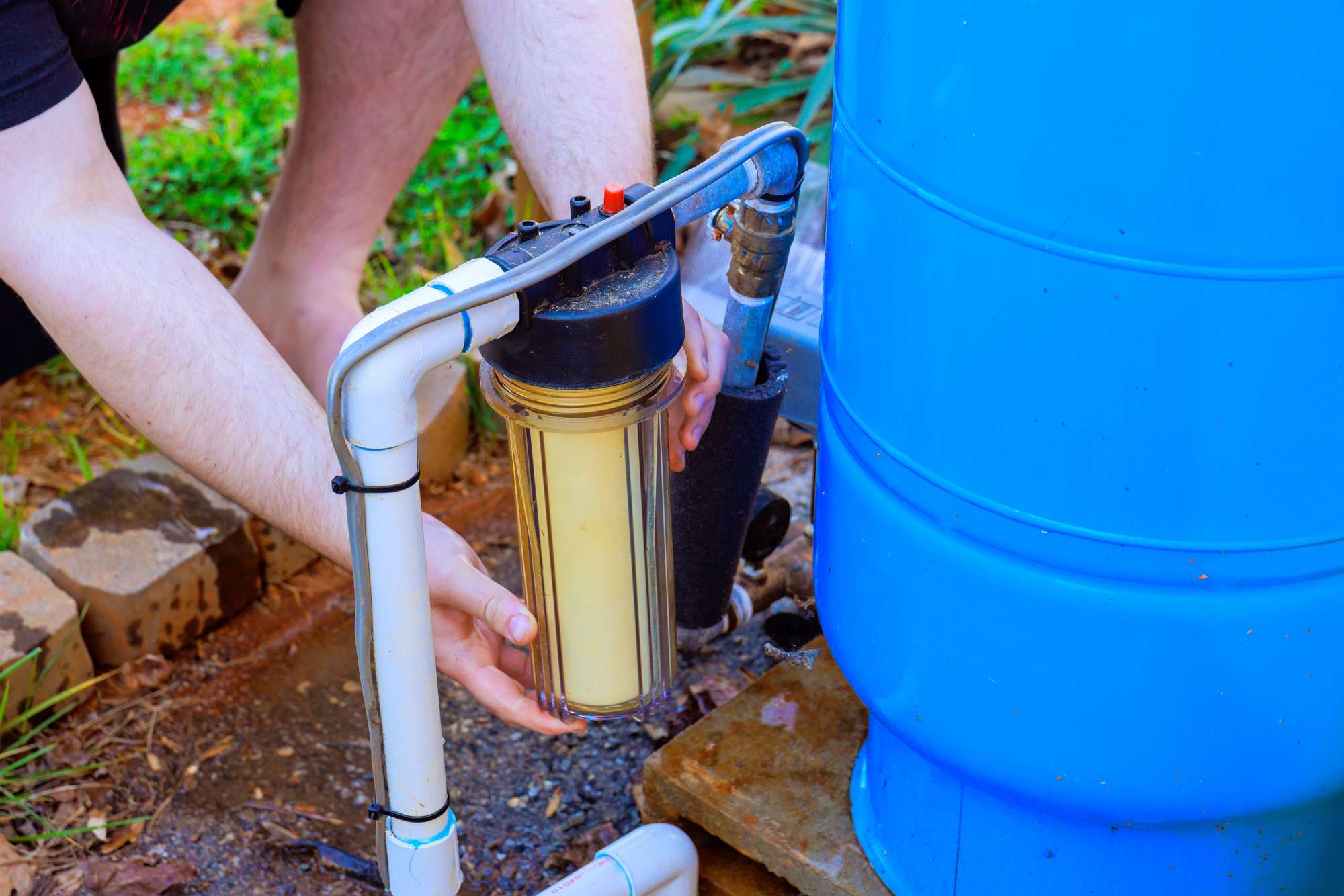
This isn’t theoretical. A two-year monitoring study at a Swedish drinking water treatment plant, published in Water Research in 2020, tracked GAC filter performance over time. Removal efficiency dropped from 92–100% for new filters to as low as 7% for aged filters. For PFHxA, a short-chain PFAS compound, concentrations in the filtered water exceeded the incoming water in 5 of 6 filters tested.
Temperature makes this worse. Research across 23 Japanese drinking water treatment plants, published in Water Research in 2023, found that during warm months (20–29°C), short-chain PFAS concentrations in filtered water surpassed the levels in the unfiltered supply after roughly 2–3 months of use. This desorption wasn’t observed at lower temperatures.
So if you don’t change your water filter and you live somewhere warm, the timeline for your filter turning against you could be shorter than you think.
What Most People Get Wrong About PFAS Filter Certification
There’s a gap between what consumers believe “NSF certified for PFAS” means and what it actually guarantees. Most filter guides skip this entirely.
The EPA’s final PFAS regulation set maximum contaminant levels at 4 parts per trillion (ppt) individually for PFOA and PFOS. The current NSF/ANSI certification standards require filters to reduce PFOA and PFOS to 20 ppt combined. That’s five times higher than what the EPA now considers safe.
The EPA itself acknowledges this gap. In its April 2024 fact sheet on home PFAS filters, the agency states that current certification standards “do not yet indicate that a filter will remove PFAS down to the levels EPA has now set for a drinking water standard.” NSF task groups are working on updates, but no timeline has been published as of March 2026.
Three specific misconceptions to clear up:
“NSF certified for PFAS” does not mean “meets EPA limits.” A filter can pass NSF testing while producing water at 20 ppt, which is five times the EPA’s MCL. This is a major gap most articles gloss over.
“Certified to NSF 53” does not automatically mean “certified for PFAS.” NSF 53 covers dozens of contaminants. A filter might only be certified for chlorine or lead under that standard. You need to check the specific contaminant claims on the certification listing, not just the standard number.
“Tested to NSF standards” is not the same as “certified to NSF standards.” The first means the manufacturer ran its own tests following NSF protocols, with no third-party verification and no ongoing audits. The second means an accredited lab verified performance and the manufacturer submits to annual audits. The difference matters, especially for a contaminant as difficult to remove as PFAS.
The one piece of good news from the research: certified carbon block filters do hold up. An 8-month field study of NSF P473-certified under-sink activated carbon block filters on 18 North Carolina private wells found 97–99% removal of all PFAS for the full manufacturer-recommended filter life. The key difference appears to be filter design (carbon block vs. loose granular carbon) and certification status. This is one of the reasons we consistently recommend certified under-sink filters over uncertified alternatives.
When to Replace Your Filter (By Type)
The research brief didn’t include specific cost figures for all filter types, so instead of a cost table, here’s what the evidence and manufacturer specs tell us about replacement timing for PFAS specifically.
Pitcher filters (Clearly Filtered, ZeroWater, Culligan ZeroWater): 100–150 gallon capacity. For a household of 2–3 people, that’s every 2–4 months. EWG’s testing found that some pitchers achieved near-complete PFAS removal when fresh, but they didn’t test performance over the life of the filter. Replace on schedule or earlier. We covered the differences between ZeroWater and other pitchers on PFAS and fluoride separately, and the performance gap between brands is significant. If you’re also running a faucet-mounted filter thinking it handles fluoride, faucet-mounted filters don’t remove fluoride regardless of age.
Under-sink carbon block filters (Aquasana, Multipure, Culligan): 500–800 gallon capacity. Typical replacement every 6 months. An independent field study in North Carolina found NSF P473-certified carbon block filters maintained 97–99% PFAS removal for their full rated lifespan. This is the filter type with the strongest independent evidence of sustained performance.
Under-sink reverse osmosis systems (APEC, Waterdrop, AquaTru): Pre-filters every 6–12 months, RO membrane every 2–4 years. RO achieved the best results in the Duke study (94%+ removal) and doesn’t suffer from the same desorption problem as carbon filters. If you’re weighing the tradeoffs between countertop and under-sink systems, the under-sink RO format gives you better long-term PFAS reliability.
Whole-house GAC systems: This is where the evidence is most concerning. Manufacturer claims of multi-year filter life have not been independently verified for PFAS removal. The Duke field study found these systems were the most likely to increase PFAS levels. The EPA recommends point-of-use systems (under-sink) over point-of-entry (whole-house) when treating only drinking and cooking water. If you have a whole-house carbon system, consider adding a point-of-use RO or certified carbon block filter at the kitchen tap as a second barrier.
You Can’t Tell When Your Filter Fails
This is the part that makes PFAS filter maintenance different from every other contaminant. With chlorine, you can taste the difference when your filter stops working. With sediment, you can see it. With lead, flow rate changes can signal filter degradation.
PFAS breakthrough has none of these signals. A filter that has completely stopped removing PFAS produces water that looks, tastes, and smells identical to properly filtered water. Reduced flow rate indicates physical clogging, not that PFAS is still being captured.
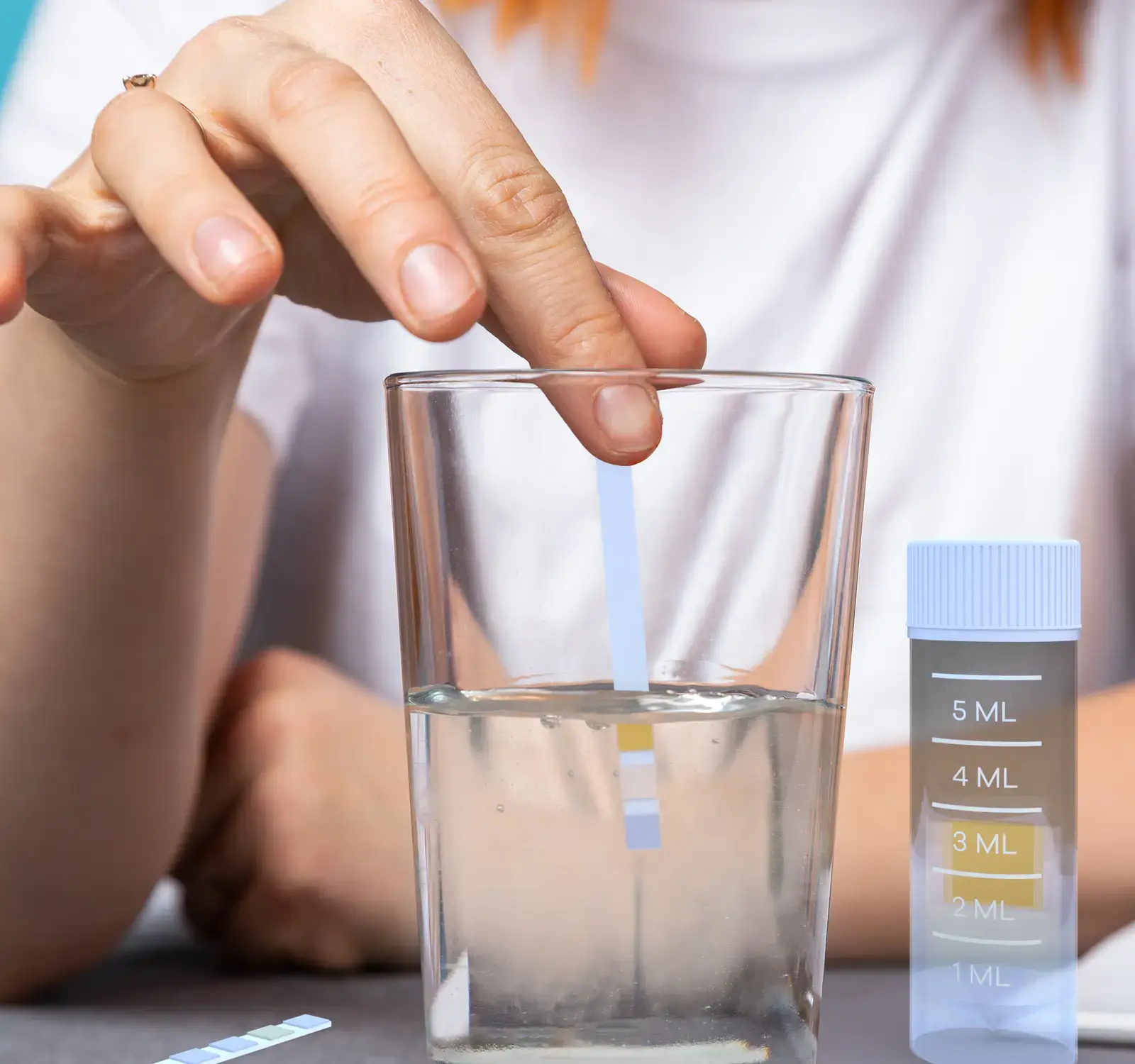
The only way to verify your filter is still working for PFAS is lab testing. Home PFAS test kits don’t exist. The detection method requires liquid chromatography-tandem mass spectrometry (LC-MS/MS) equipment that costs hundreds of thousands of dollars.
Mail-in options are available. SimpleLab/Tap Score offers PFAS testing via EPA Method 537.1 (14 PFAS compounds, approximately $290) or EPA Method 533 (25 compounds including GenX, approximately $485). Testing both your unfiltered and filtered water is the only way to verify performance. We break down the best home water testing kits for PFAS in a separate guide, including how to read your results and what the numbers actually mean.
For most households, periodic lab testing isn’t practical. The more realistic approach: replace filters on or before the manufacturer’s recommended schedule. Do not extend filter life. The evidence shows that over-use creates a risk of PFAS re-release, not just reduced filtration.
What You Should Do Based on the Evidence
The practical takeaways from this article are straightforward.
Replace filters on time, not when you notice a taste change. PFAS breakthrough happens silently. Set a calendar reminder or use the manufacturer’s subscription if they offer one.
If you use a whole-house carbon system, don’t rely on it alone for PFAS. Add an under-sink RO or certified carbon block filter at the kitchen tap. The Duke field study data shows whole-house GAC is the least reliable filter type for PFAS, and it’s the type most likely to make things worse when saturated.
For renters who can’t modify plumbing, pitcher filters from Clearly Filtered or ZeroWater achieved 98–100% PFAS reduction in EWG’s independent testing when fresh. The tradeoff is frequent replacements, roughly every 2–4 months for an average household.
Don’t assume your NSF-certified filter meets the EPA’s 4 ppt limit. It almost certainly doesn’t, based on the current 20 ppt certification threshold. This doesn’t mean the filter is useless. Any reduction is better than none. But understanding the gap helps you make informed decisions about how aggressively to maintain your system.
If budget allows, test your filtered water for PFAS at least once, ideally near the end of your filter’s rated lifespan. That single data point tells you whether your specific filter, with your specific water chemistry, is doing what you need it to do.
Other Questions You Might Have
Can an old water filter release PFAS back into your water?
A saturated activated carbon filter can release previously captured short-chain PFAS back into filtered water through competitive displacement. The Duke University/NC State field study found 4 of 8 whole-house GAC systems produced water with higher PFAS than unfiltered tap. EWG’s Tasha Stoiber confirmed that saturated filters can push PFAS levels above tap water concentrations.
How often should you change a water filter for PFAS?
Pitcher filters every 2–4 months (100–150 gallons). Under-sink carbon block filters every 6 months (500–800 gallons). RO pre-filters every 6–12 months, membranes every 2–4 years. Never extend beyond the manufacturer’s recommended schedule. PFAS breakthrough is invisible and can begin before other signs of filter aging appear.
Does reverse osmosis remove PFAS better than carbon filters?
Under-sink reverse osmosis systems achieved 94% or greater PFAS removal in the Duke/NC State field study, the highest of any filter type tested. Carbon filters averaged 73% with extreme variability. RO also doesn’t suffer from the competitive displacement problem that causes carbon filters to release PFAS when saturated.
Are NSF-certified PFAS filters safe enough?
Current NSF/ANSI certification requires filters to reduce PFOA and PFOS to 20 ppt combined. The EPA’s 2024 drinking water standard sets the limit at 4 ppt individually, five times stricter. The EPA acknowledges this gap and is working with standards bodies to update certifications. A certified filter is significantly better than no filter, but it may not meet the EPA’s new limits.
Can you test your water for PFAS at home?
Home PFAS test kits do not exist. Detection requires laboratory equipment (LC-MS/MS). SimpleLab/Tap Score offers mail-in testing via EPA Method 537.1 for approximately $290 (14 compounds) or EPA Method 533 for approximately $485 (25 compounds including GenX). Testing both unfiltered and filtered water is the only way to verify your filter’s PFAS performance.
What happens if you don’t change your water filter for a year?
For PFAS, a year without changing a carbon filter almost certainly means saturation and potential re-release of captured contaminants. The Swedish treatment plant study found short-chain PFAS exceeding unfiltered water levels well before the one-year mark. For a pitcher filter rated at 100 gallons, a year of normal use far exceeds the rated capacity. The filter isn’t just not working at that point. It may be making your water worse.