
A water filter for lead in old apartment buildings only works if it’s certified to remove lead, not just certified to taste better. That distinction sounds small. It’s the difference between a pitcher that genuinely protects you and one that just makes your tap water less chlorine-flavored while lead passes straight through.
Who this is for: You rent in a building built before 1986 (or don’t know when the service line was replaced), you can’t modify the plumbing, and you want a filter with documented, certified lead-reduction data, not a brand’s word for it.
Who should look elsewhere: If your water utility has already confirmed your building has no lead service line and no lead solder, you don’t need to spend money solving a problem you don’t have. Call your utility and ask before buying anything.
The most common sources of lead in older buildings are lead service lines, lead-soldered joints, and brass fixtures with lead content, not the water source itself. Flushing your tap for a few minutes before use reduces lead pulled from standing water, but it doesn’t fix a lead-soldered joint, and it’s not a substitute for filtration if your building is a known risk.
The Best Water Filters for Lead in Old Apartment Buildings
Four products in this category are certified under NSF/ANSI 53 specifically for lead reduction, not just taste, not just “lead-free materials.” NSF/ANSI 53 spikes test water to 150±15 ppb lead and requires the filter to hold output below 10 ppb through its full rated life, at both pH 6.5 and pH 8.5 (EPA, June 2024).
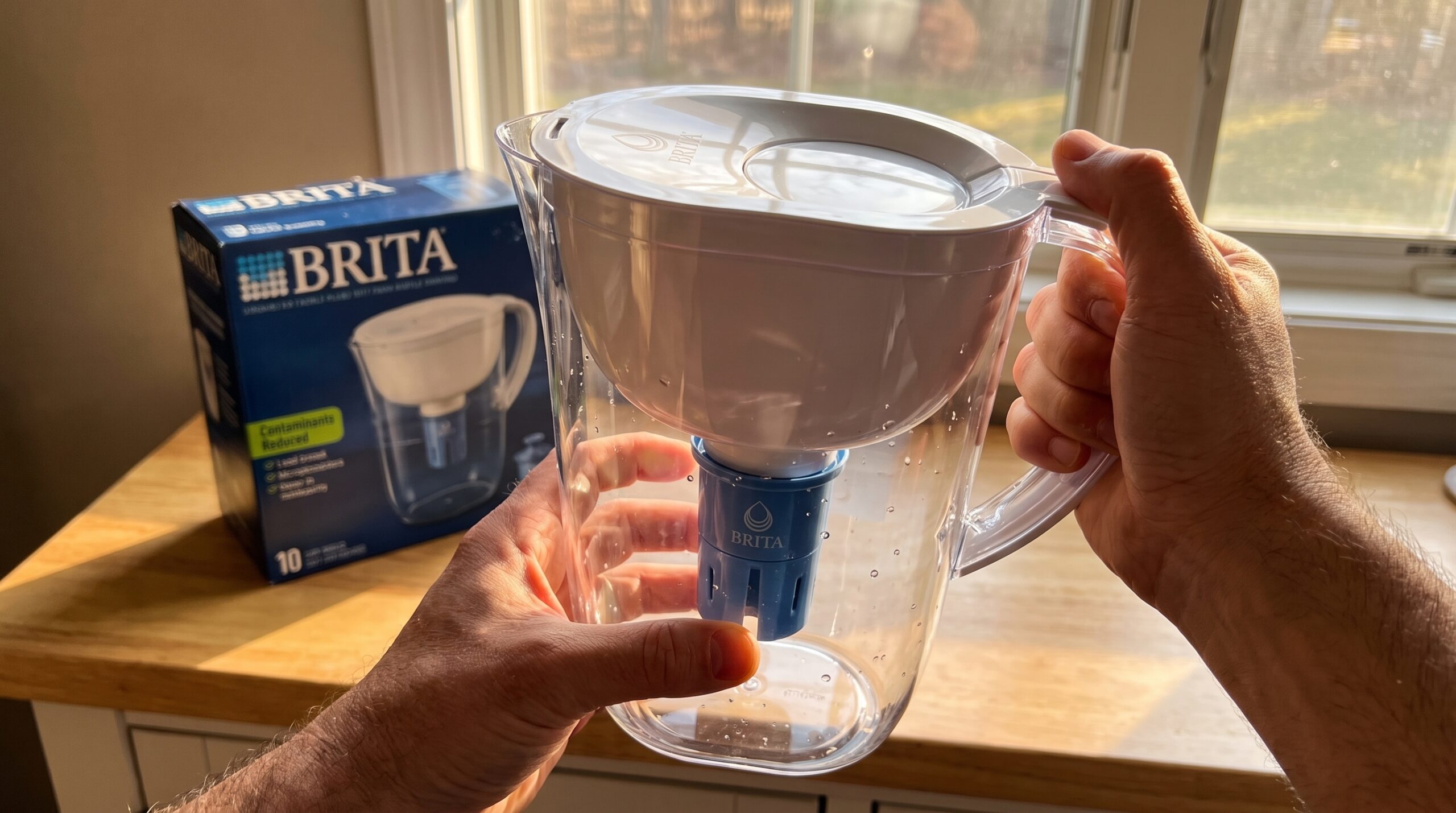
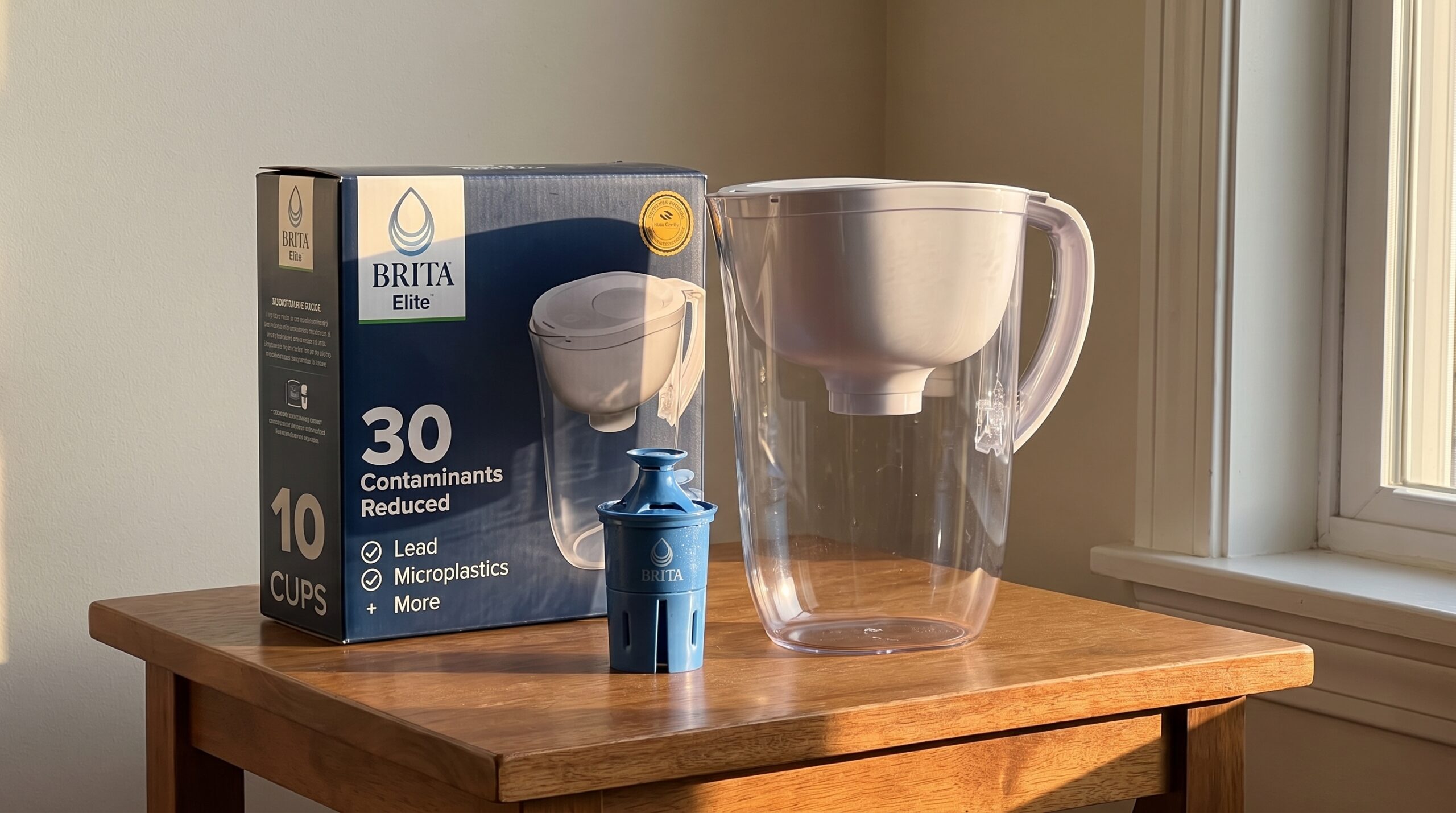
Brita Large 10-Cup Elite Water Filter Pitcher. NSF/ANSI 42, 53, and 401 certified. Brita’s own IAPMO R&T-certified test data shows 99.5% lead reduction at pH 6.5 and 99.6% at pH 8.5 (Brita Elite Performance Data Sheet, Dec 2025). This is the cheapest certified option and the right call if you just need drinking and cooking water covered.
Brita Large 10-Cup Elite Water Filter Pitcher
4.4 rating on Amazon
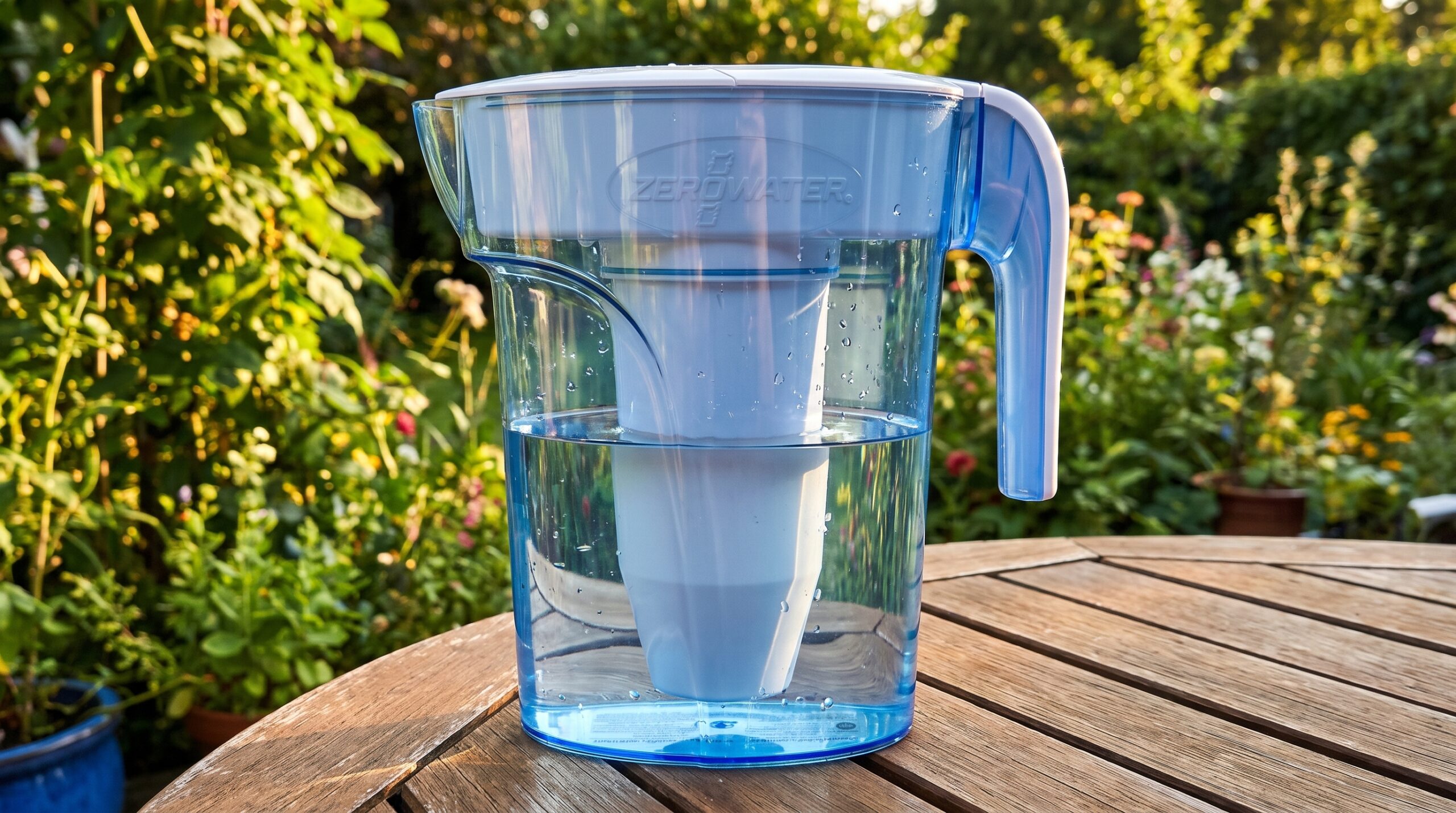
Culligan ZeroWater 7-Cup 5-Stage Pitcher. NSF/ANSI 42, 53, 401, and 372 certified (IAPMO), covering lead, hexavalent chromium, PFOA/PFOS, and mercury. WaterFilterGuru’s independent lab testing scored it 9.33 overall with certified lead reduction confirmed. It covers more contaminants than Brita, but the filter dies fast — more on that in the cost section.
Culligan ZeroWater 7-Cup 5-Stage Pitcher
4.2 rating on Amazon
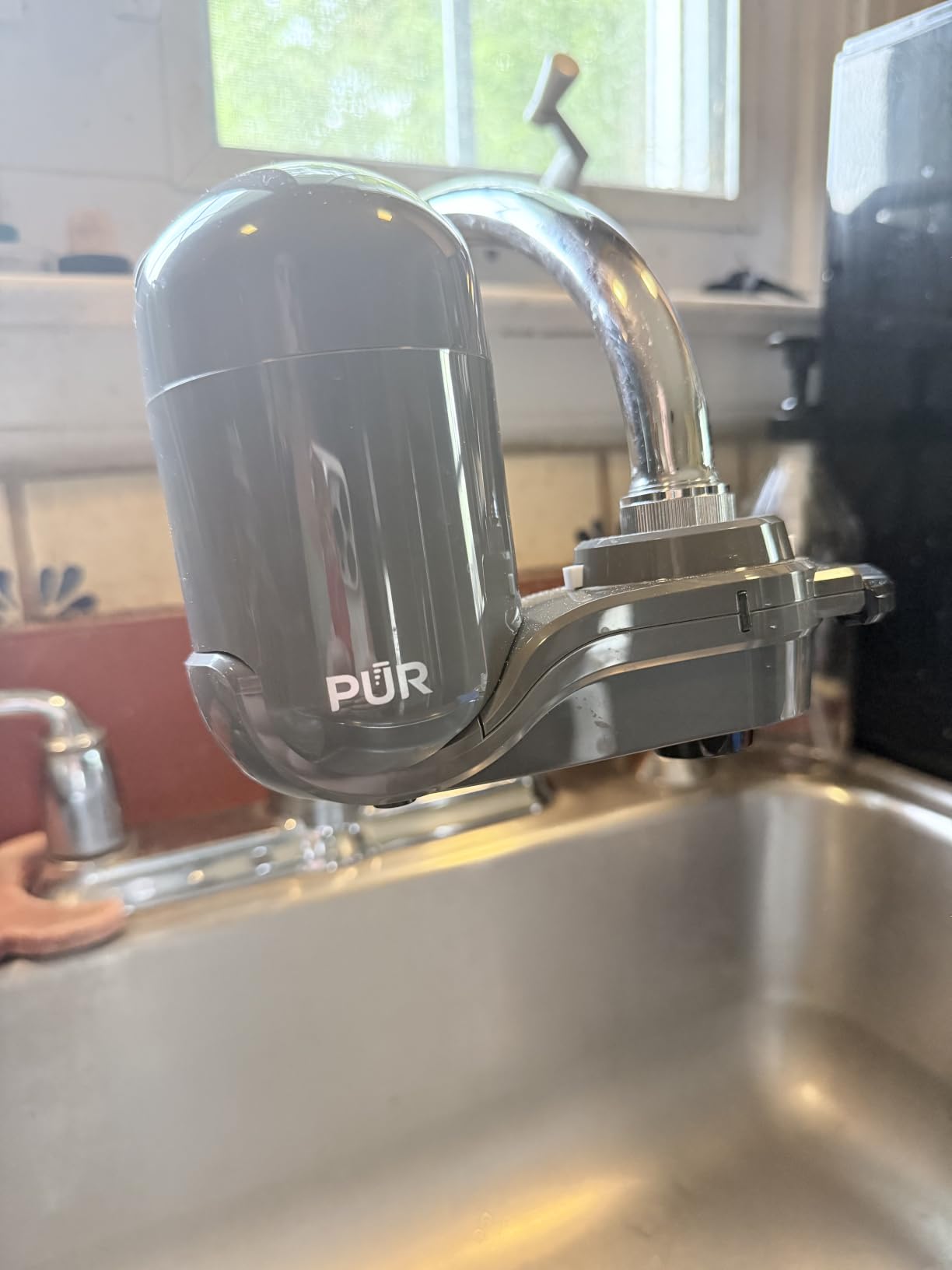
PUR PLUS Vertical Faucet-Mount Filtration System. NSF/ANSI 42, 53, and 401 certified. PUR states its filter reduces 99% of lead and 70-plus other substances — a figure consistent with its NSF 53 listing, though the specific 99% number is a manufacturer claim and hasn’t been independently lab-verified in this research pass. It screws onto a standard faucet with no tools and comes off cleanly at move-out, which makes it the best fit if you want filtered water on demand instead of refilling a pitcher.
PUR PLUS Vertical Faucet-Mount Filtration System
4.4 rating on Amazon
AquaTru Classic Countertop Reverse Osmosis System. NSF/ANSI 42, 53, 58, and 401 certified (IAPMO, 84 contaminants total) — the broadest certification of the four. It’s also the only one with a fully independent, non-manufacturer-funded lead result in this research: WaterFilterGuru’s own lab testing measured 100% lead reduction. It plugs into a standard outlet and needs no plumbing, but it costs roughly ten times what a pitcher does. View on Amazon
AquaTru Classic Countertop Reverse Osmosis System
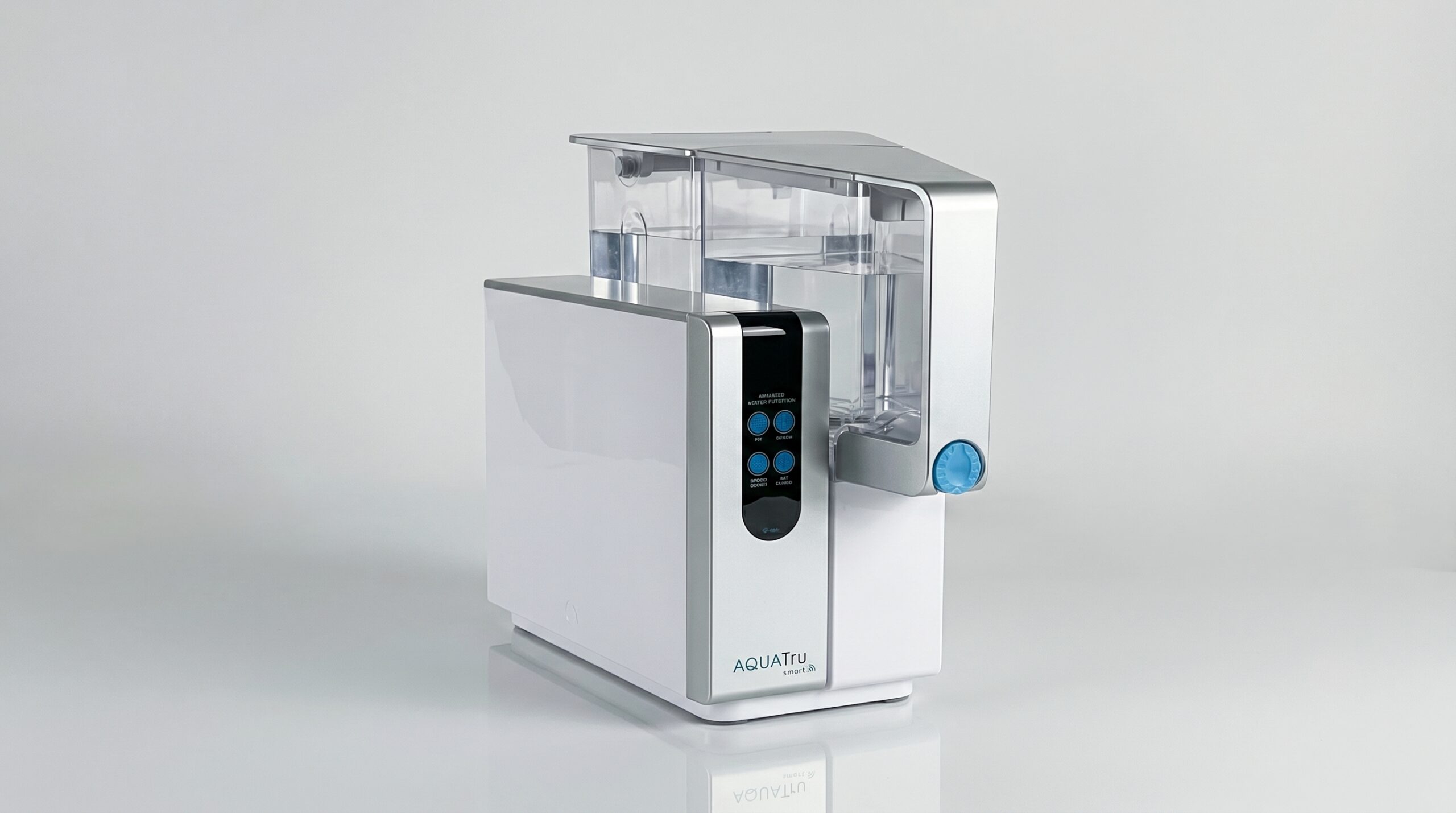
4.3 rating on Amazon
For more on how to weigh certification against a brand’s own marketing before you buy anything water-filter-related, see How to Choose a Water Filter: The Secret Trick.
NSF/ANSI 53: The Only Certification That Actually Proves Lead Removal
NSF certification is contaminant-specific. A filter certified for lead under NSF/ANSI 53 is not automatically certified for arsenic, nitrates, or bacteria — each claim is tested and listed separately on NSF’s own database (info.nsf.org/Certified/DWTU/listings_leadreduction.asp).
That distinction matters because two different NSF numbers get used almost interchangeably in marketing, and they mean very different things. NSF/ANSI 372 certifies that a product’s materials don’t leach lead into the water — it says nothing about whether the filter removes lead that’s already there. NSF/ANSI 53 is the standard that actually tests lead removal from contaminated water.
All four products recommended above carry NSF/ANSI 53 certification specifically for lead. That’s the line to check before buying anything marketed as a renter-friendly water filter for lead, and it’s the line a lot of competing buying guides skip past.
What Most Articles Get Wrong About Renter-Friendly Lead Filters
The Clearly Filtered pitcher shows up constantly in “best water filter for apartments” roundups aimed at renters. It is certified to NSF/ANSI 42 (taste and odor) and NSF/ANSI 372 (lead-free materials) — not NSF/ANSI 53. It is not certified to remove lead from water.
Clearly Filtered publishes its own third-party lab testing claiming up to 99.99% lead removal, and that data may well be accurate. But it’s independent testing, not NSF certification, and most of the articles recommending it to apartment-dwellers worried about lead don’t draw that line [MANUFACTURER-ADJACENT CLAIM — INDEPENDENT TESTING EXISTS BUT IS NOT NSF/ANSI 53 CERTIFICATION]. If a product’s own marketing leans on “lead-free” language without naming NSF/ANSI 53, read that as a gap, not a guarantee.
The second thing most guides skip: certified lead reduction is a lab result at 150 ppb spiked water, not a promise about your specific building’s plumbing. If you’ve never had your water tested, a filter is a reasonable precaution — it isn’t a substitute for finding out what’s actually in your tap.
Pitcher, Faucet, or Countertop RO: Matching the Filter to Your Apartment
If you drink and cook with filtered water but shower and wash dishes with tap water, a pitcher or faucet-mount filter covers the exposure that matters most. Lead ingestion risk comes from what you drink and cook with, not from water on your skin.
A pitcher (Brita Elite, ZeroWater) suits a studio or one-to-two-person household that doesn’t mind refilling. A faucet-mount filter (PUR PLUS) suits anyone who wants filtered water at the tap without refilling anything, and it’s the easiest of the four to fully remove before you move out.
A countertop RO system (AquaTru Classic) makes sense if you want the highest certified removal ceiling across the widest contaminant list — not just lead, but PFOA/PFOS, chromium, and fluoride too — and you’re willing to pay roughly ten times the upfront cost of a pitcher to get it.
What a Lead Filter Actually Costs to Run in a Rental
| Filter Type | Upfront Cost | Annual Filter Cost | Total Year 1 Cost |
|---|---|---|---|
| Brita Elite Pitcher | ~$37–45 | ~$28–40 (2 filters/yr at ~$14–20 each) | ~$65–85 |
| ZeroWater 7-Cup Pitcher | ~$30–35 | ~$90–220+ (filter lasts only 25–40 gal; cost varies heavily with your water’s TDS) | ~$120–255 |
| PUR PLUS Faucet Mount | ~$25–30 | ~$28–80 (replace every 100 gal/~3 months, ~$7–20/filter) | ~$53–110 |
| AquaTru Classic (Countertop RO) | ~$300–450 | ~$100–120 (staggered pre-filter, RO filter, VOC filter replacement) | ~$400–570 |
ZeroWater’s filters fail fast enough in typical U.S. tap water (25–40 gallons versus Brita’s 120) that it ends up the most expensive pitcher to actually run, not the cheapest, despite a similar shelf price (vettedclean.com, replacement filter cost analysis). None of the four require a plumber or a drain line; the AquaTru’s only “hidden” cost is the reject water it discharges internally with every filtration cycle, not a utility bill line item.
FAQ
Does boiling water remove lead?
No. Boiling concentrates lead rather than removing it, because the metal doesn’t evaporate while water does. If you’re worried about lead in an old apartment’s tap water, boiling makes the problem worse, not better — a certified NSF/ANSI 53 filter is the correct fix.
How do I know if my apartment has lead pipes?
Ask your water utility whether your building’s service line is lead — many utilities keep records and will tell you directly. If they can’t confirm it, a licensed plumber can usually identify the pipe material, and buildings built before 1986 carry the highest risk (EPA, epa.gov).
Is a pitcher filter as good as reverse osmosis for lead?
For lead specifically, a properly NSF/ANSI 53-certified pitcher like Brita Elite or ZeroWater reduces lead by 98–99%+, nearly matching AquaTru’s independently tested 100%. RO pulls ahead on broader contaminant coverage (PFAS, chromium, fluoride), not on lead alone.
Can my landlord require me to deal with lead in the water myself?
Landlords generally aren’t required to install filters, but many jurisdictions require disclosure of known lead hazards, and some mandate service line replacement on a schedule under the EPA’s updated Lead and Copper Rule. A water filter for lead in old apartment buildings is a renter’s practical workaround while that plays out, not a legal substitute for utility-side fixes.
How often do I actually need to replace a lead filter cartridge?
It depends on the product, not a universal number. Brita Elite lasts 120 gallons or six months; PUR PLUS lasts 100 gallons or about three months; ZeroWater can drop to 25 gallons in hard water. Replacing late lets lead-reduction performance degrade below the certified threshold.
Is bottled water a safer option than a filter?
Not reliably, and it’s far more expensive long-term. Bottled water isn’t required to be tested for lead the way municipal tap water is, and it does nothing to address lead picked up from a building’s internal plumbing after bottling. A certified lead in apartment tap water filter is the more verifiable fix.
If lead isn’t your only concern, Is PFAS in Tap Water Regulated? (2026) and Do Water Filters Remove Microplastics? What Most Guides Skip cover the other two contaminants renters ask about most. And if you’re deciding between a pitcher and a full RO system for reasons beyond lead, AquaTru vs Clearly Filtered: The One That Actually Fits Your Situation breaks down that specific comparison in more depth.
A water filter for lead in old apartment buildings doesn’t need to be expensive or complicated. It needs to carry NSF/ANSI 53 certification for lead, specifically, everything else is secondary to that one line on the box.