
If you’re on a private well and just got your water test back with an arsenic number on it, you’ve probably already typed “best water filter for arsenic in well water” into Google and found a dozen articles that all say roughly the same thing: buy a reverse osmosis system. That’s not wrong. But it’s also not the whole story, and the part everyone leaves out is the one that would actually save you money.
Quick Decision Guide
Who this is for: Well owners with a confirmed arsenic reading above 10 µg/L who want to know what’s actually certified to remove it, not just marketed to remove it. Also useful if you’re weighing a $30 pitcher against a $400 reverse osmosis system and want the real tradeoff, not a sales pitch.
Who should look elsewhere: If you haven’t tested your well water yet, start there instead. Nothing in this article matters until you know your arsenic number and whether it’s the trivalent or pentavalent form, and no filter purchase should come before that test.
Why Most Filters Never Even Attempt Arsenic

Here’s the thing nobody tells you upfront: your basic carbon filter, the kind inside a Brita or a fridge dispenser, was never built for this job. Carbon is great at chlorine, decent at some organics, and functionally useless against arsenic. The EPA’s own guidance points to a short list of technologies that actually work: reverse osmosis, ion exchange, activated alumina, and coagulation filtration. Boiling your water does nothing either, and can actually concentrate arsenic as the water evaporates.
That’s the baseline most articles get right. Where things get more interesting, and where most of them stop digging, is what happens once you get into pitcher filters specifically.
The Two Faces of Arsenic (And Why Your Test Result Matters)
Arsenic doesn’t show up in your well water as one clean, consistent thing. It comes in two forms: pentavalent arsenic, called arsenate, and trivalent arsenic, called arsenite. Arsenate carries a negative charge and clings to filter media fairly easily. Arsenite is neutral across most of the pH range your tap water sits in, which makes it slippery and much harder to capture without pre-treatment like chlorination to convert it into the easier-to-remove form first.
This matters because certification standards reflect that split. NSF/ANSI 58, the standard covering reverse osmosis systems, specifically tests for pentavalent arsenic reduction. If your well water leans arsenite-heavy, a certified RO system might still underperform its rated number unless the water’s been pre-oxidized. This is exactly why a real lab test, not a $15 strip test from the hardware store, is worth doing before you buy anything. If you haven’t gone through that step yet, our home water testing kit guide walks through what a lab actually checks for and why the cheap kits miss the details that matter here.
The ZeroWater Study Nobody’s Talking About
This is the part of the story that flips the usual script. Most of what we cover on Cleanfaucet is about filters overselling what they do. This one’s the opposite.
In 2017, a team at Dartmouth ran five tabletop pitcher filters through a controlled arsenic test: ZeroWater, PUR, Brita, HDX, and a store brand. At the highest concentration tested, 1,000 micrograms per liter, only one pitcher brought the water down below the EPA’s safety limit of 10 micrograms per liter. ZeroWater dropped it to an average of 2.7. The other four barely moved the needle, landing between 737 and 917 micrograms per liter, essentially unfiltered. The full study is published in Environmental Research if you want to see the numbers yourself.
Two years later, the same Dartmouth team went further. They gave ZeroWater pitchers to actual households in North Carolina with wells that exceeded federal arsenic and lead limits, and tracked real-world performance over time. The 2019 follow-up study found an average arsenic removal rate of 98.98 percent, and lead removal averaging 99.37 percent, on actual well water, not a lab solution.
Now compare that to what ZeroWater says about itself. The brand’s own marketing claims 93 percent removal of pentavalent arsenic and 83 percent for the trivalent form. The independent, peer-reviewed number is higher than the brand’s own claim. That almost never happens in this industry, and it’s worth sitting with for a second: the company that makes the product is more conservative about its own performance than the scientists who tested it. If you’re weighing ZeroWater against a competing pitcher, our breakdown of ZeroWater vs MaxClear covers how it stacks up on other contaminants too.
There’s a catch, and it’s a real one. Water hardness measurably reduces how well the ZeroWater filter performs, and the researchers themselves called this a short-term fix, not a permanent one. They tested filters well past their rated 15 to 40 gallon lifespan to get these numbers. On hard, high-mineral well water, expect that filter life to run shorter, not longer. This is a bridge solution while you arrange something permanent, not a replacement for one.
Certified vs Claimed: Reading the Fine Print
Here’s where the marketing gap actually lives, and it’s not where most people look.
No pitcher filter, including ZeroWater, has ever earned NSF or IAPMO certification specifically for arsenic. Not one. The Dartmouth researchers confirmed this themselves when they went looking for a certified pitcher option and came up empty. That doesn’t mean ZeroWater doesn’t work, the studies above say otherwise, it means the performance is independently verified through academic research rather than through the standard certification pathway manufacturers usually pay for.
Reverse osmosis systems are a different story, but only some of them have actually done the paperwork. We checked the IAPMO certification database directly rather than trusting product page copy, and here’s what’s actually on file:
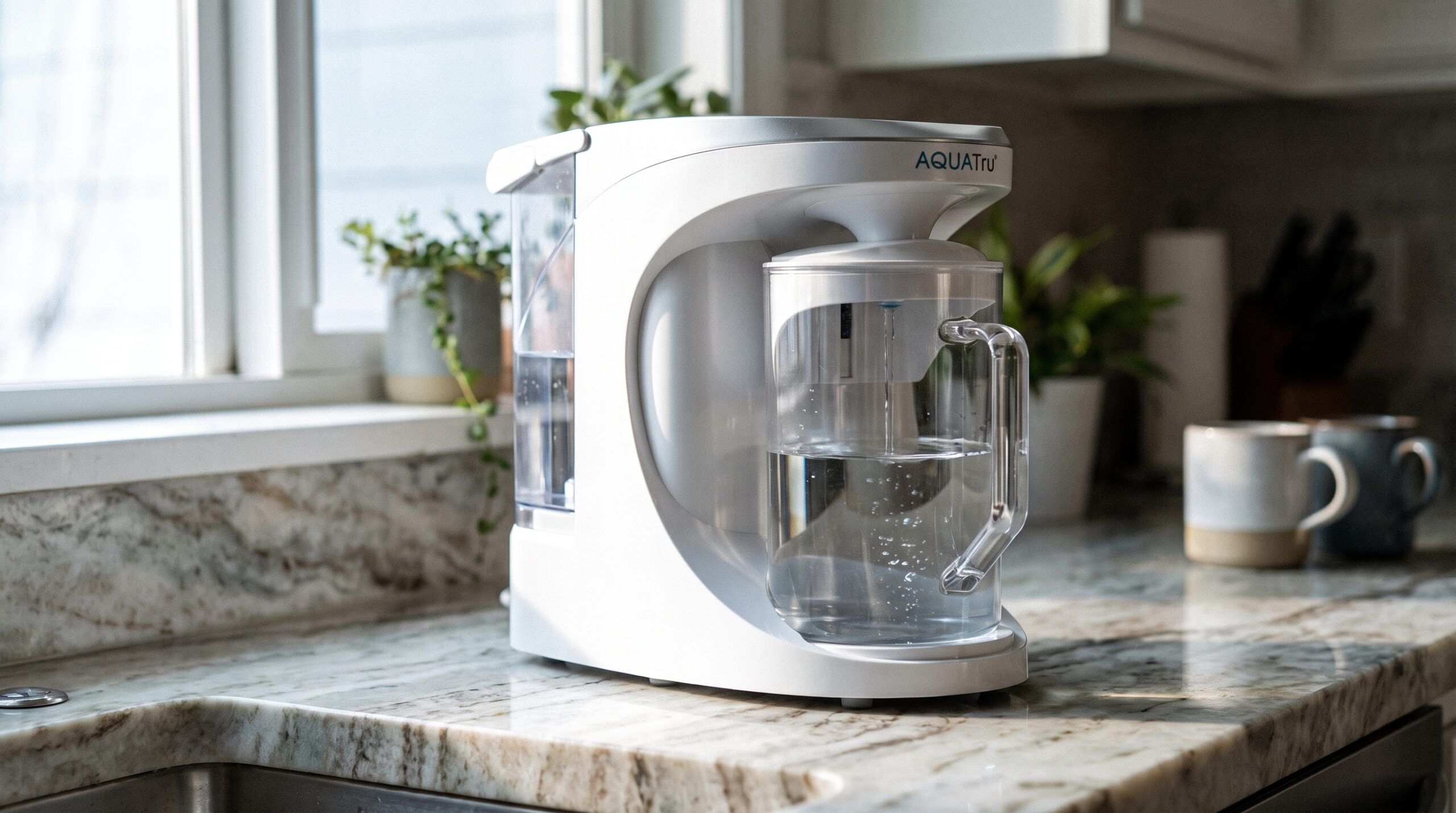
AquaTru Carafe is IAPMO certified to NSF/ANSI 58 with arsenic (pentavalent) explicitly named on the certificate, at a minimum reduction of 97.2 percent and an average of 98.8 percent. This is the one product in this roundup where “removes arsenic” isn’t a claim, it’s a filed and verified certification.
That pentavalent qualifier is worth understanding before you buy. Arsenic shows up in well water as two different forms, and only one of them is what AquaTru’s certification was tested against. Our guide on how to remove arsenic from water explains the difference and what to do if your lab test shows the harder-to-capture form.
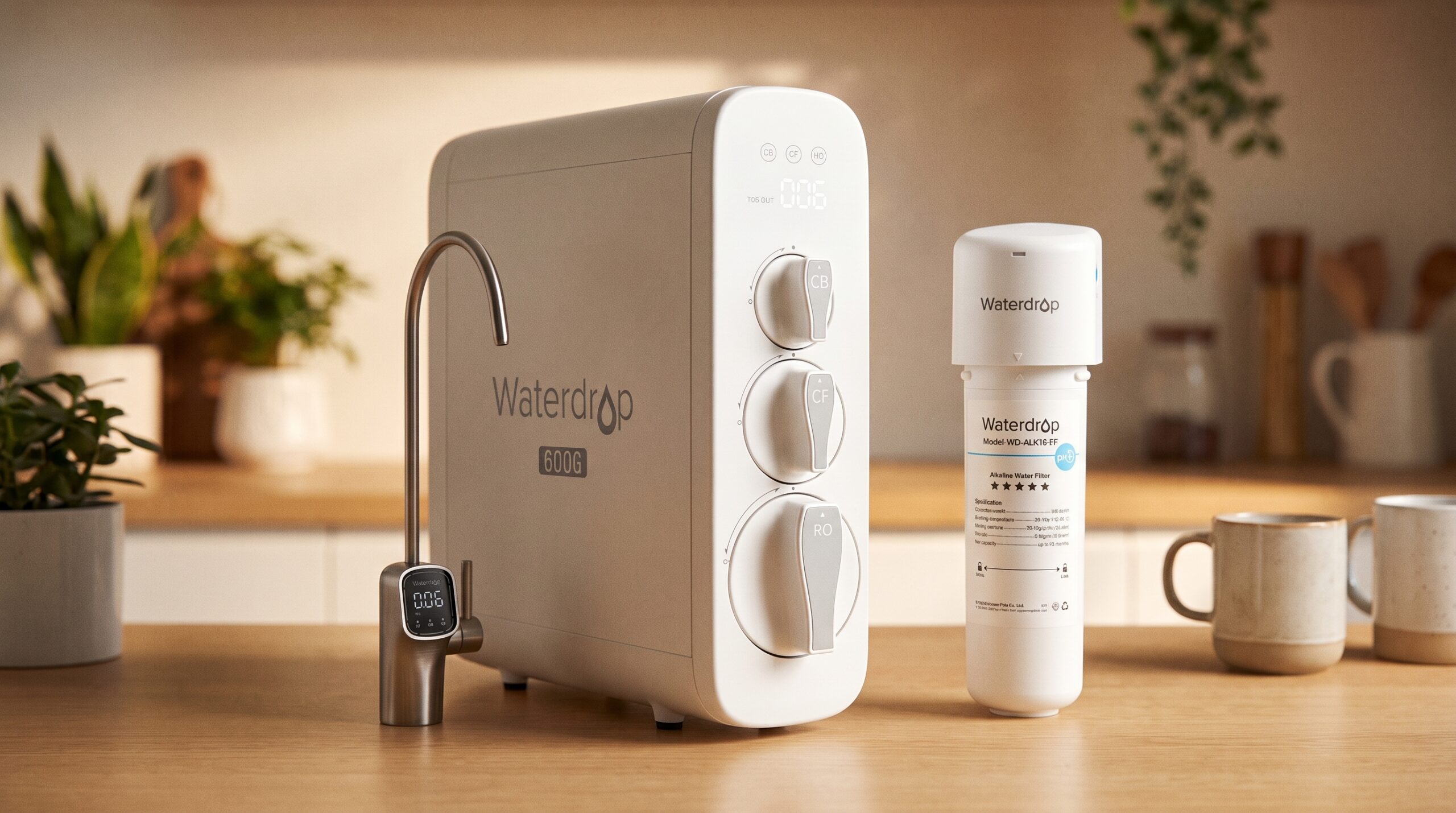
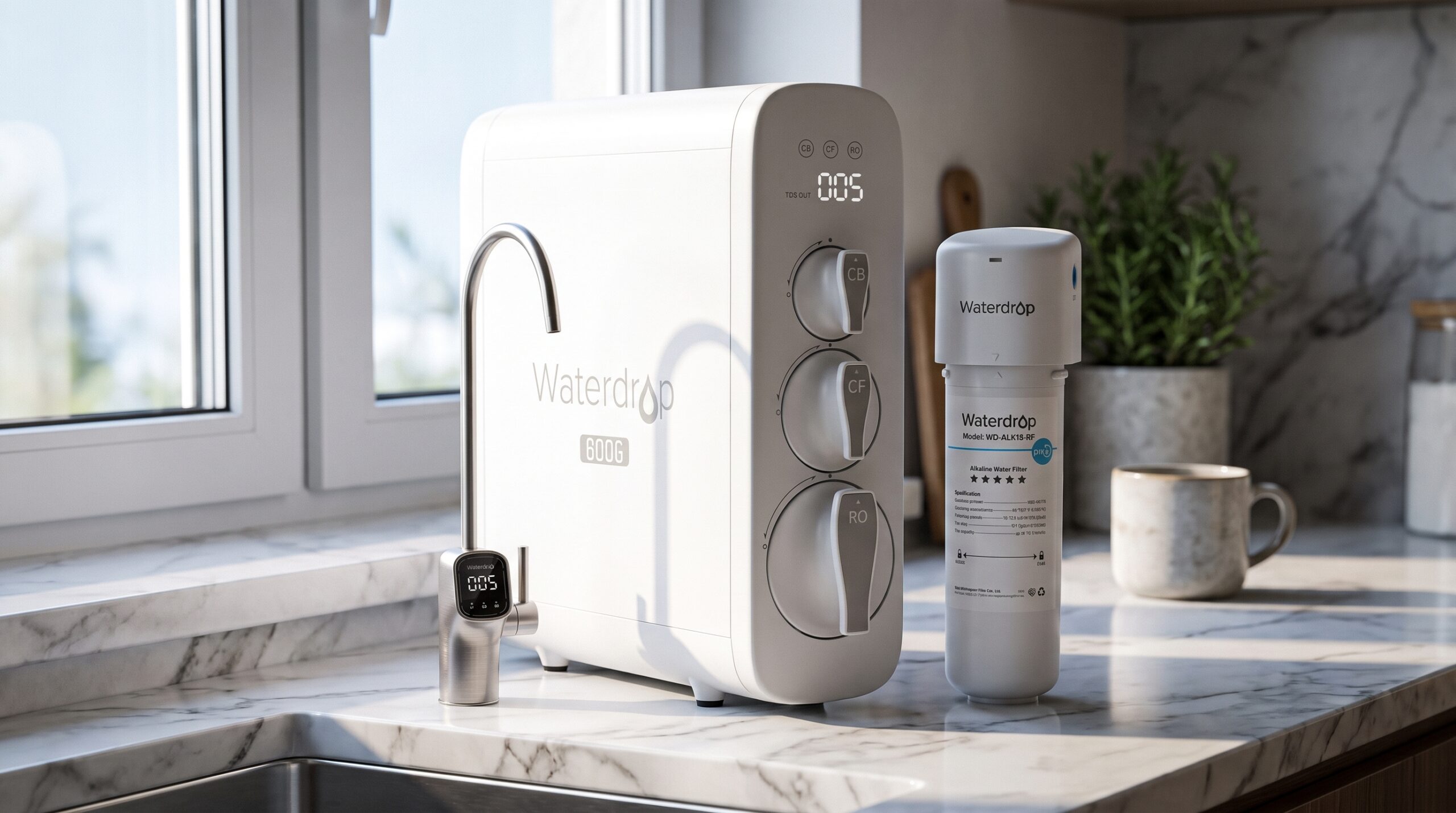
Waterdrop G3P600 carries NSF/ANSI 58 certification, but that certification covers total dissolved solids reduction, not arsenic specifically. Waterdrop’s own materials mention arsenic reduction, and the RO membrane technology does physically remove pentavalent arsenic by design, but it’s not on the certified claim list the way AquaTru’s is. Worth knowing before you assume the two products are interchangeable on this specific contaminant.
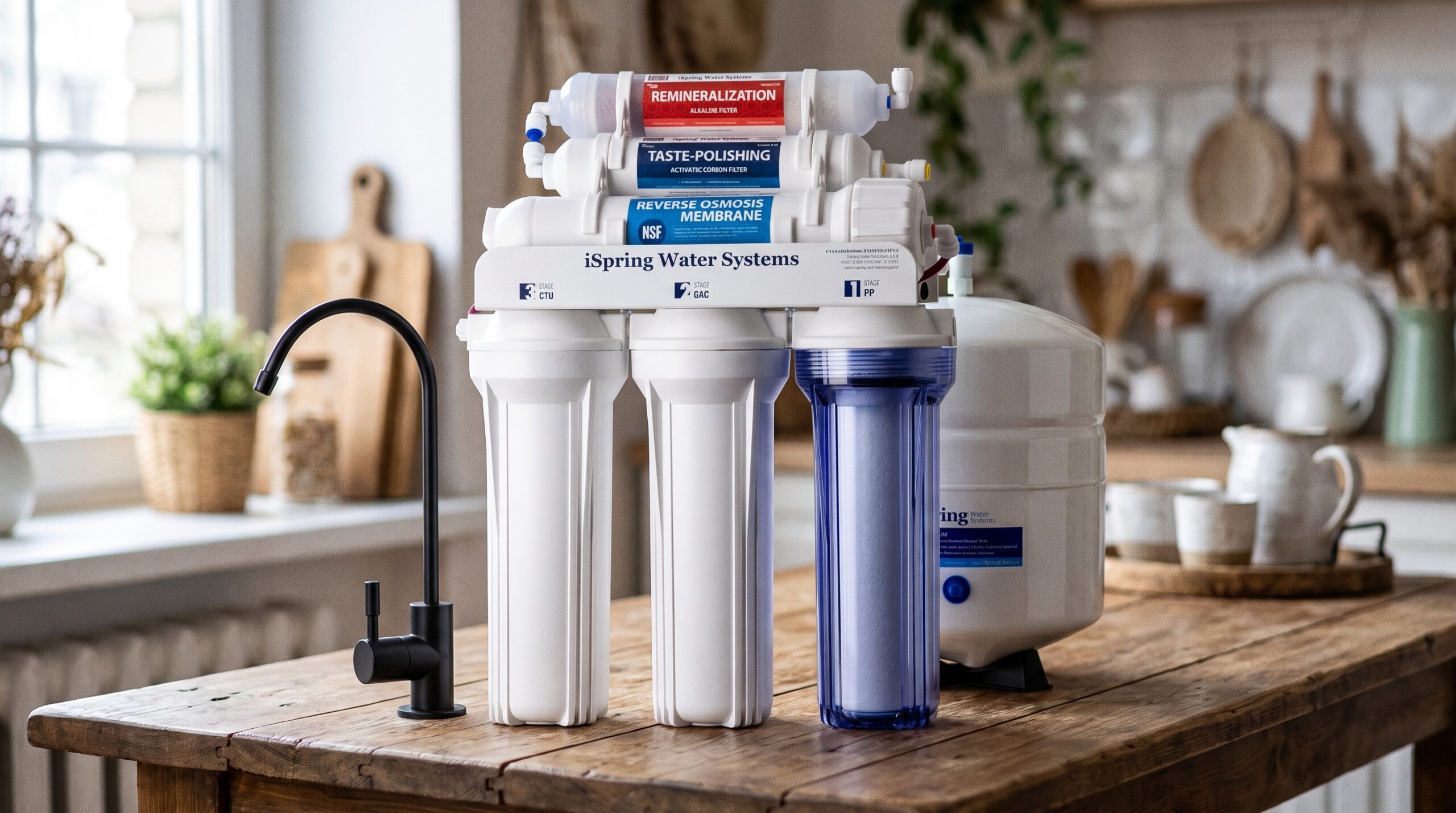
iSpring RCC7AK is a similar situation. Its base certification covers TDS only, and even the higher-end finish variants that add lead, fluoride, and other metals to their certified list still don’t include arsenic on any current SKU. iSpring markets arsenic removal. The certification database doesn’t back that specific claim yet, on any version of this product.
This distinction, certified versus claimed, is honestly the single most useful filter to run any water filter marketing through, not just for arsenic. If you want a broader framework for spotting the difference before you buy anything, how to choose a water filter breaks down exactly how to read a certification database instead of a product page.
Best Water Filter for Arsenic in Well Water Right Now
Based on what’s actually certified, independently tested, and sitting on Amazon US today, here’s where the money should go depending on your situation.
If you want the only certified option: The AquaTru Carafe is a countertop reverse osmosis system with a filed IAPMO certification for pentavalent arsenic reduction at 98.8 percent average. No plumbing, no drilling, just a countertop unit you refill. This is the pick if you want a paper trail behind the claim, not just a marketing page. It also handles 83 other contaminants including lead, fluoride, and PFOA/PFOS, and if you’re comparing it against other premium options, our AquaTru vs Clearly Filtered comparison covers where the two diverge.
AquaTru Carafe
4.1 rating on Amazon
If you want whole-kitchen coverage: The Waterdrop G3P600 is an under-sink RO system with a dedicated faucet and a 600 gallon-per-day flow rate, fast enough that you’re not standing around waiting for water. It’s NSF/ANSI 58 certified for TDS reduction, and the RO membrane does the same physical job of stripping arsenic that any RO system does, just without arsenic named individually on the certificate. Good option if a countertop unit isn’t practical in your kitchen. For help deciding between an under-sink setup and a countertop one in the first place, our countertop vs under-sink comparison covers the practical tradeoffs.
Waterdrop G3P600
4.5 rating on Amazon
If budget is the deciding factor: The iSpring RCC7AK is the lowest-cost certified RO platform here, with remineralization built in so the water doesn’t taste flat. Same caveat as Waterdrop: arsenic isn’t individually certified, but the RO mechanism removes it.
iSpring RCC7AK
4.6 rating on Amazon
If you need something today for under $40: A ZeroWater 5-stage pitcher is the only pitcher with independent, peer-reviewed evidence of real arsenic removal, backed by two separate Dartmouth studies. Treat it as a stopgap while you sort out testing and a permanent RO system, not a long-term fix, especially if your well water runs hard.
ZeroWater 5-Stage Pitcher
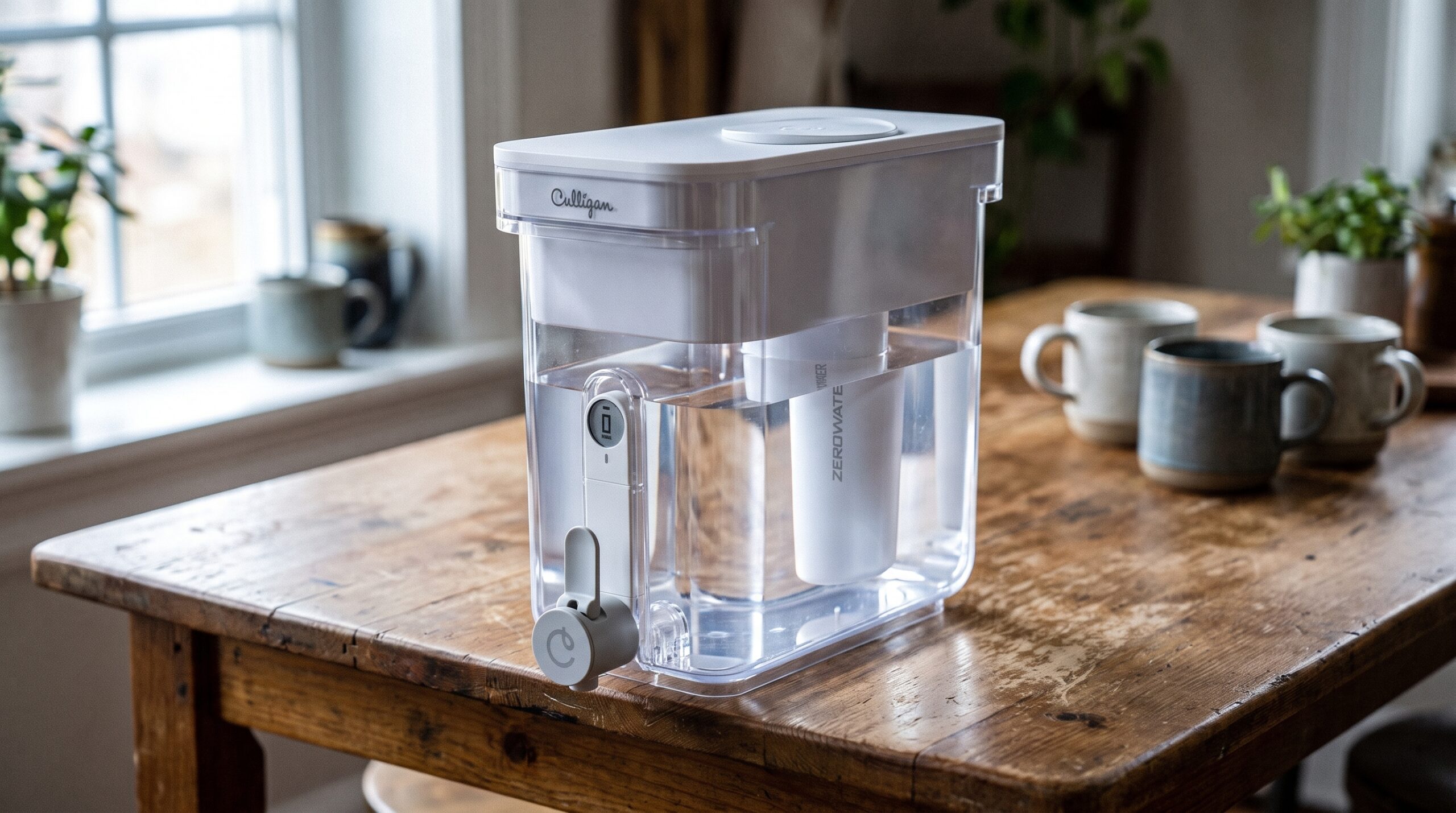
4.0 rating on Amazon
Testing First, Buying Second
If you take one thing from this article, make it this: the filter matters less than the test. Get a real lab test that breaks out arsenic speciation, not a strip test, before you spend money on any of the products above. If your well water skews toward arsenite rather than arsenate, even a certified RO system may need pre-oxidation to hit its rated numbers, and that’s a detail no amount of filter shopping fixes on its own.
It’s also worth building filter maintenance into your calendar and actually sticking to it. Skipping cartridge changes doesn’t just mean worse taste, it can undo the exact protection you bought the system for in the first place. What happens if you don’t change your water filter covers a separate but related finding on expired filters actively making contaminant levels worse, not just less effective, which is the last thing you want after doing the work to pick the right system in the first place.
Once you’ve got your test results and know what you’re actually dealing with, the choice gets a lot simpler: AquaTru if you want the certification on paper, an under-sink RO system if you want it at every tap, and a ZeroWater pitcher as your bridge while everything else gets sorted.